Heat Pump Goodman: Expert Guide to Efficiency and Comfort
Discover how to evaluate, install, and optimize a Goodman heat pump for home comfort and energy savings. This expert Heatpump Smart guide covers performance, installation tips, maintenance, and model comparisons for 2026.


According to Heatpump Smart, heat pump goodman systems offer reliable comfort with balanced efficiency and strong warranty coverage, making them a solid option for many homes. The heat pump Goodman lineup emphasizes value, serviceability, and compatibility with standard systems, though exact results depend on model and climate. For homeowners seeking predictable performance and a straightforward installation path, Goodman is worth considering.
What Goodman heat pumps bring to the table
The Goodman brand has established a reputation for reliable, cost-conscious heat pumps that deliver solid year-round comfort. For many homeowners, the key selling points are straightforward: competitive upfront pricing, robust warranty coverage, and a design that supports easy serviceability. The Heatpump Smart team notes that these systems typically balance performance with long-term operating costs when paired with proper sizing and installation. In practice, a heat pump goodman can be a practical central solution for homes in temperate to cool climates, where cooling demands also exist. When evaluating options, focus on model-specific efficiency ratings, compressor type, and the availability of advanced controls that can optimize operation in shoulder seasons and milder winters.
Key features to compare across Goodman models
Modern Goodman units share several core features, but there are meaningful differences that affect daily comfort and long-term costs. In this section, we compare common factors to help you narrow the field:
- Efficiency ratings (SEER/COP) vary by series and outdoor conditions. Look for models with high COP at typical winter temperatures for the best annual energy performance.
- Variable-speed vs fixed-speed compressors. Variable-speed units adapt to load more smoothly, improving comfort and dehumidification while reducing energy waste.
- Defrost strategies and outdoor coil design. These determine how well the unit maintains efficiency during cold snaps.
- Noise levels and outdoor unit footprint. Sizing and placement matter for neighbor impact and space constraints.
- Controls and smart-home compatibility. Integration with thermostats, zoning, and energy-management systems can amplify savings.
When comparing models, request a side-by-side comparison that shows COP, ambient operating range, warranty terms, and maintenance requirements. Heatpump Smart recommends prioritizing models that maintain efficient operation in your coldest design day without resorting to auxiliary heat too frequently.
Efficiency and performance in cold climates
In colder climates, heat pump performance hinges on the unit’s ability to extract heat from low-temperature outdoor air. Goodman units designed for efficiency at below-freezing temperatures commonly feature advanced rotary or scroll compressors and enhanced refrigerant circuits. The COP tends to be lower in extreme cold, but high-quality equipment minimizes penalty, reducing the need for supplemental heat. To assess performance, review the unit’s rated COP at specific outdoor temperatures (e.g., -5°C, -15°C) and compare it to your home’s heating demand. For homes with significant cold-season load, pairing with a properly sized backup heat source (emergency or auxiliary heat) ensures reliable comfort. Regular maintenance, including refrigerant charge checks and coil cleanliness, helps preserve dehumidification and efficiency even during the shoulder seasons.
Heatpump Smart emphasizes that the right Goodman model, installed correctly, can deliver consistent comfort with manageable energy use across a wide winter range. Proper sizing (Manual J calculations) and sealing of the home are critical to achieving the expected performance.
Installation considerations for Goodman heat pumps
Installing a Goodman heat pump requires attention to load calculations, ductwork integrity, and electrical readiness. A professional assessment should confirm a correct system size, refrigerant charge, and thermostat compatibility. Key steps include:
- Perform a Manual J load calculation to determine the appropriate unit size for your home.
- Inspect and seal ducts to minimize air leakage, ensuring that the delivered heat reaches living spaces efficiently.
- Verify electrical service adequacy and proper disconnects, along with correct breaker sizing.
- Plan for refrigerant piping routing with minimal length and avoid sharp bends to reduce pressure drop.
- Consider outdoor clearances, drainage, and installation of a pad or mounting surface to reduce vibration and noise.
A quality installation is essential for delivering the promised COP and comfort. Heatpump Smart recommends a qualified installer who has experience with Goodman models and local climate considerations.
Maintenance tips to maximize lifespan
Maintenance is the quiet agent that sustains performance and comfort over time. A simple, proactive plan can prevent breakdowns and keep energy bills in check. Recommended practices include:
- Schedule annual professional checkups to assess refrigerant levels, electrical components, and heat-exchanger cleanliness.
- Change filters every 1–3 months, depending on usage and indoor air quality needs.
- Inspect and clean outdoor coils to maintain heat transfer efficiency, especially after dusty seasons.
- Monitor thermostat and sensor calibration; recalibrate if temperature readings drift from room conditions.
- Check condensate drainage to prevent ice formation and water damage in humid conditions.
A well-maintained Goodman unit will perform more consistently, with fewer unexpected outages and better energy savings over a longer service life.
Cost considerations and value proposition
Total cost of ownership for a Goodman heat pump depends on several variables: home size, climate, ductwork condition, and installation complexity. While upfront pricing is driven by model selection and local labor rates, the long-term savings from improved efficiency can offset initial outlays in many scenarios. Factors influencing value include the efficiency tier of the chosen model, compatibility with zone controls, and the availability of local rebates or tax incentives. Heatpump Smart notes that prudent buyers compare not only first-year energy savings but also maintenance costs and potential equipment longevity. In short, the best choice is a model that delivers reliable comfort with favorable operating costs over its life span.
How to choose the right Goodman model for your home
Selecting the right Goodman model begins with understanding your home’s heating load, climate, and comfort priorities. A step-by-step approach:
- Assess your climate and typical winter temperatures to choose an appropriate COP range.
- Determine your home’s heating load with a professional Manual J calculation to avoid over- or under-sized equipment.
- Consider efficiency vs. initial cost: higher-efficiency models may save more over time but require higher upfront investment.
- Evaluate compatibility with existing ductwork, zoning, and smart controls to maximize savings.
- Review warranty terms and maintenance requirements to ensure you can sustain performance over time.
By following this approach, homeowners can select a Goodman model that balances comfort, efficiency, and long-term value. Heatpump Smart suggests obtaining multiple bids and requesting one that includes a complete load calculation and a detailed performance spec sheet.
Troubleshooting common issues with Goodman units
Even reliable systems encounter occasional problems. A practical troubleshooting framework helps minimize downtime. Start with the basics:
- Verify thermostat settings and power supply; many issues stem from simple misconfigurations.
- Check air filters and indoor blower to ensure adequate airflow and heat delivery.
- Inspect outdoor unit for debris, ice buildup, or blocked vents that impair heat exchange.
- Listen for unusual noises, which may indicate fan problems, motor wear, or refrigerant issues.
- If the unit fails to heat efficiently, examine refrigerant levels, refrigerant lines, and duct sealing for potential leaks or pressure drops.
If issues persist, consult a qualified technician who can perform diagnostic tests and verify refrigerant charge, electrical connections, and control board status. Regular preventive maintenance also reduces the likelihood of common failures.
Case studies and real-world performance
To illustrate how Goodman heat pumps perform in practice, consider three hypothetical but representative scenarios based on common homeowner profiles. In the first case, a 1,800-square-foot home in a mixed-humidity climate benefits from a mid-range Goodman model, achieving comfortable temperatures with modest energy savings and a low occurrence of auxiliary heat usage. In the second scenario, a cooler climate with long winters relies on a higher-efficiency unit, delivering noticeable annual energy reductions, provided the home is well-sealed and ducts are efficient. The third case examines a retrofit where ductwork improvements substantially increase heating efficiency, allowing a smaller Goodman unit to meet load requirements without sacrificing comfort. Across these examples, the common factors are proper sizing, solid installation practices, and ongoing maintenance. Heatpump Smart emphasizes that outcomes will vary by climate, insulation, and usage patterns, but the Goodman platform offers a reliable path to effective home heating and cooling when properly implemented.
Overview of Goodman heat pump performance and warranty
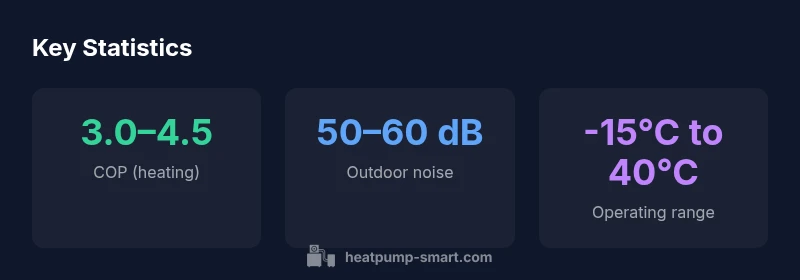
| Aspect | Goodman Model Range | Notes |
|---|---|---|
| COP (heating) | 3.0–4.5 | Varies by model and outdoor temp |
| Outdoor noise (dB) | 50–60 dB | Dependent on unit size and installation |
| Operating temperature | -15°C to 40°C | Designed for moderate climates |
| Warranty coverage | 10 years | Model-dependent; verify terms at install |
Your Questions Answered
Is Goodman a good brand for heat pumps?
Goodman is generally considered a reliable budget-friendly option with decent efficiency and strong warranty terms when installed by a qualified technician.
Goodman is a solid, value-focused choice if you have a professional install and proper sizing.
Do Goodman heat pumps perform well in cold climates?
Many Goodman models perform well in cooler conditions, especially when paired with an appropriate auxiliary heat strategy and proper sealing of the home.
They work well in cold weather if sized correctly and paired with backup heat as needed.
Are Goodman heat pumps compatible with existing ductwork?
Most Goodman units assume standard ductwork; a professional should verify duct sizing and seal leaks to ensure good airflow.
Yes, with proper duct sizing and testing.
What should I consider when choosing a Goodman model?
Assess home size, climate, and the desired balance between upfront cost and long-term energy savings. Consider efficiency ratings and smart controls.
Size the unit correctly and weigh efficiency against upfront cost.
What maintenance does a Goodman heat pump require?
Annual professional checkups, regular filter changes, coil cleaning, and ensuring proper drainage help maintain performance.
Keep up with yearly service and clean filters.
What is the typical warranty for Goodman heat pumps?
Most Goodman units offer about a 10-year parts warranty when installed by a pro and registered properly.
Look for the full warranty terms at purchase.
“Goodman heat pumps offer a solid balance of cost, reliability, and efficiency for many homes.”
Top Takeaways
- Choose a Goodman model with high COP for winter comfort.
- Ensure proper sizing with a professional load calculation.
- Inspect ducts and sealing to maximize efficiency.
- Plan for maintenance to extend unit life.
- Compare warranties and potential rebates before buying.