Mitsubishi Zuba Central Review: Performance, Installation, and Value
An analytical review of Mitsubishi Zuba Central by Heatpump Smart, evaluating efficiency, installation, noise, and long-term value for homeowners, builders, and property managers.


According to Heatpump Smart, Mitsubishi Zuba Central delivers strong energy performance with centralized comfort and quiet operation, making it a compelling choice for homes seeking a ducted heat pump system. While installation costs can be higher upfront, the long-term savings on energy bills and reliable zoning control often justify the investment for homeowners, builders, and property managers.
System Overview: What is mitsubishi zuba central?
Mitsubishi Zuba Central is a ducted heat pump solution designed to distribute conditioned air through a home’s existing ductwork. It pairs a high-efficiency outdoor unit with multiple compact indoor air handlers connected to a central distribution system, enabling heating and cooling across rooms. This setup suits both new builds and retrofit projects where ductwork exists or can be added with controlled remodeling. In many markets, Zuba Central is part of Mitsubishi’s Zoned Comfort Solution family, emphasizing independent zoning for each living space to optimize comfort and energy use. For homeowners evaluating heat pumps, mitsubishi zuba central stands out by offering centralized control with room-by-room adaptability, a key advantage for multi-user households. The system often integrates with smart thermostats and home automation, helping users monitor performance and adjust schedules with precision. A well-designed installation aims for balanced airflow and minimal temperature variation between rooms. The Heatpump Smart team notes that a properly planned Zuba Central setup can deliver consistent comfort across a multi-room home while enabling meaningful energy savings when paired with good insulation and air sealing.
Core Technology and Efficiency Principles
Mitsubishi Zuba Central relies on inverter-driven variable-speed compressors and sophisticated heat-exchange design to modulate capacity according to demand. This means the outdoor unit doesn’t run at full power continuously but scales up and down to suit real-time conditions, reducing energy waste and improving long-term efficiency. The system’s control logic supports zoning, enabling some indoor units to operate while others are idle, which lowers overall energy use in spaces that don’t require cooling or heating. Advanced refrigerant circuiting and efficient fan motors contribute to lower energy input while maintaining steady temperatures. While the exact efficiency metrics vary by model and configuration, the core principle is clear: modulating output aligns with how people use spaces in a home, delivering comfort with less energy waste. In addition, Mitsubishi’s Hyper-Heating concepts are designed to maintain usable heating capacity in cooler conditions, which helps sustain comfort without overworking the system. The Heatpump Smart team highlights that, for mitsubishi zuba central, true efficiency comes from a thoughtful combination of equipment, duct design, and smart control strategies.
Performance in Real Homes: Comfort, Zoning, and Noise
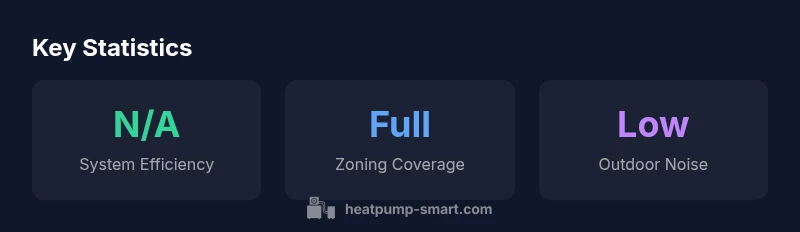
In real-world settings, mitsubishi zuba central typically delivers uniform heat and cooling across zones, reducing hot and cold spots that plague single-air-handler setups. Zoning comes from coordinating multiple indoor units with dampers and a central controller, allowing different rooms to run at different temperatures or schedules. This capability is especially valuable in homes with varying occupancy patterns, where one family member may prefer a cooler living room while another prefers warmth in bedrooms. Noise performance is generally strong, especially when the outdoor unit is installed on a stable surface with adequate clearances. Indoor air handlers are designed for smooth operation, and modern controls provide scheduling that minimizes fan noise during sleep hours. The Heatpump Smart evaluation emphasizes that successful comfort outcomes depend on precise zoning maps, correct duct sizing, and proper placement of supply and return vents to avoid drafting or air stratification.
Installation, Sizing, and Retrofit Potential
Sizing mitsubishi zuba central requires a careful assessment of a home’s heating and cooling loads, ductwork capacity, and space requirements for the outdoor unit. A professional HVAC designer typically performs a Manual J load calculation and verifies duct pressure, airflow, and return paths to ensure balanced distribution. Retrofit projects can be feasible when existing ducts are in good condition and appropriately sized; in older homes, some ductwork modifications may be necessary to prevent leaks and ensure even airflow. Installation involves mounting the outdoor unit, connecting refrigerant lines, wiring, and integrating with indoor air handlers and dampers. Because the system relies on multiple zones and centralized control, precise commissioning is essential to achieving optimal comfort and efficiency. Heatpump Smart notes that homeowners should plan for professional installation and coordinate with building codes, electrical capacity, and any required duct work modifications. With proper sizing and a well-executed install, mitsubishi zuba central can deliver robust performance and dependable operation across seasons.
Maintenance, Durability, and Warranties
Routine maintenance is essential to sustain performance and efficiency for mitsubishi zuba central. This includes annual professional inspections, cleaning or replacing air filters in indoor units, inspecting refrigerant lines for leaks, and ensuring condensate drainage remains clear. Regular checks help prevent airflow restrictions and preserve indoor air quality. Durability hinges on the outdoor unit’s exposure to the elements, proper mounting, and a clean, sealed duct system. Warranties vary by region and dealer, so homeowners should review the specifics with their installer and retain documentation. Proactive maintenance not only extends the system’s life but also helps preserve energy savings and comfort. The Heatpump Smart team recommends budgeting for periodic service and following the manufacturer’s maintenance schedule to maximize reliability and performance over time.
Cost Considerations and Value Proposition
The upfront cost of mitsubishi zuba central reflects the complexity of a ducted heat pump system and the scale of installation needed in a home. While installation expenses can be higher than some alternatives, the long-term energy savings can offset the initial investment, particularly in well-insulated homes with favorable climate profiles. In many regions, rebates or incentives are available for high-efficiency heat pump systems, which can further improve the financial case. Homeowners should weigh not only the upfront price but also potential increases in home value, comfort improvements, and reduced maintenance costs compared with fossil-fuel heating. The Heatpump Smart analysis suggests that the true value of mitsubishi zuba central comes from its ability to deliver consistent comfort across zones, adapt to occupancy patterns, and provide a robust foundation for future smart-home integration. A conservative approach involves a formal life-cycle cost assessment and a detailed quote from an accredited installer.
Comparisons with Alternatives: Mitsubishi Zuba Central vs Other Brands
When comparing mitsubishi zuba central to other brands or configurations, consider how well the system integrates with existing ductwork, how effectively it can zone spaces, and the expected noise profile. Central ducted heat-pump solutions like Zuba Central often outperform traditional gas furnaces in energy efficiency and seasonal comfort, particularly when paired with modern thermostats and smart home integration. Compared with ductless mini-splits, a Zuba Central setup can provide entire-home coverage with fewer outdoor units and uniform air distribution through ductwork. Against other ducted heat pump brands, Mitsubishi’s design emphasizes zoning flexibility and a proven track record in both residential and light commercial settings, though local service availability and installation cost can vary. The Heatpump Smart team notes that the best choice depends on home layout, insulation quality, climate, and goals for energy savings and comfort. Prospective buyers should request a detailed design, a credible performance estimate, and a comparison chart covering efficiency, noise, and total cost of ownership.
Who Should Consider Mitsubishi Zuba Central
Mitsubishi Zuba Central is well-suited for homeowners with existing ductwork who want centralized control and room-by-room comfort. It also appeals to builders and property managers seeking reliable performance across multiple zones and a system that can integrate with smart-home platforms. For retrofit projects, homes with robust insulation and air sealing will typically realize the strongest energy savings and comfort gains. The Heatpump Smart analysis indicates that mitsubishi zuba central is particularly compelling in mid- to large-size homes where zoning reduces energy waste and where long-term maintenance costs are manageable with a qualified technician. For new constructions, Zuba Central can simplify design decisions by offering a scalable zoning strategy that supports future renovations without sacrificing performance.
Implementation Roadmap: Step-by-Step for Installation
Begin with a pre-installation assessment that includes a load calculation, ductwork condition, electrical capacity, and outdoor unit placement. Engage a qualified HVAC contractor to finalize system design, zoning strategy, and airflow distribution. Prepare the site by ensuring adequate outdoor unit clearance and bracket mounting, then schedule permits and inspections as required by local codes. The installation process involves placing indoor air handlers, routing refrigerant lines, wiring controls, and calibrating dampers to optimize zoning. After commissioning, conduct a thorough system test across all zones and schedules, then establish maintenance routines and a service plan. A careful implementation plan minimizes disruption and ensures the system operates at peak efficiency from day one. The Heatpump Smart team emphasizes working with an experienced installer and validating the design with performance testing to secure the best possible outcomes.
Advantages
- Centralized, uniform cooling and heating across rooms
- High energy efficiency with inverter-driven compressors
- Advanced zoning for individual room comfort
- Quiet indoor operation reduces noise in living spaces
- Strong brand support and proven durability
Disadvantages
- Higher upfront installation costs
- Requires existing ductwork or ductwork modifications
- Installation complexity may extend project timelines
Strong overall choice for energy-conscious homes with central comfort and zoning.
Mitsubishi Zuba Central offers excellent zoning and efficiency for ducted systems. While upfront costs and retrofit requirements vary, the long-term comfort and potential energy savings make it a compelling option for many homeowners and professionals.
Your Questions Answered
What is Mitsubishi Zuba Central?
Mitsubishi Zuba Central is a ducted heat pump system that distributes conditioned air through a home’s existing ductwork, enabling centralized heating and cooling with zoning across rooms. It combines an outdoor unit with multiple indoor air handlers controlled via dampers and a central thermostat interface. This setup is designed for efficiency, comfort, and flexible scheduling in homes and light commercial applications.
Mitsubishi Zuba Central is a ducted heat pump system that distributes conditioned air through your ducts, with zoning to control comfort in different rooms.
How does Zuba Central compare to ductless mini-splits?
Zuba Central uses ducted indoor air handlers and a central controller to cool or heat multiple zones, offering uniform distribution and potentially lower outdoor unit count than some ductless options. Ductless mini-splits provide simpler retrofits without ducts and can be more cost-effective per zone, but may require more outdoor units for same coverage.
Zuba Central uses ducts for centralized zoning, while mini-splits are ductless and often require more units for wide coverage.
Is Zuba Central retrofit-friendly for older homes?
Retrofit feasibility depends on the existing ductwork condition and home layout. In well-sealed, well-insulated homes, Zuba Central can be a strong upgrade; older structures may require ductwork repairs or additions. A professional assessment is essential to determine the best approach.
Retrofitting can work if ducts are sound, but older homes may need duct repairs or new ducts installed.
What maintenance is required?
Routine maintenance includes annual professional inspections, periodic air-filter cleaning or replacement, drain line checks, and ensuring dampers and controls operate correctly. Keeping the system clean and well-sealed supports efficiency and indoor air quality.
Have a pro inspect yearly, clean filters regularly, and check drainage and dampers to keep the system efficient.
Are there rebates or tax incentives for Zuba Central?
Many regions offer rebates or incentives for high-efficiency heat pump installations. Availability varies by location and program rules, so check with local utilities, government programs, and the installer for current offers.
There are often rebates for high-efficiency heat pumps; check with local programs and your installer.
What is the expected lifespan of the system?
Lifespan depends on usage, maintenance, and environmental conditions, but well-maintained systems typically last many years. Regular service and proper installation are key to maximizing durability.
With good maintenance and proper installation, you can expect the system to last many years.
Top Takeaways
- Assess ductwork needs before installation
- Prioritize zoning for room-by-room comfort
- Weigh upfront costs against long-term savings
- Explore rebates and incentives during planning
- Hire a qualified contractor for accurate sizing