Heat Pump Replacement Cost Calculator
Use the heat pump replacement cost calculator to estimate total project costs—equipment, labor, and extras—and learn how sizing, efficiency, and installation details influence your budget.


Understanding the Heat Pump Replacement Cost Calculator
According to Heatpump Smart, the heat pump replacement cost calculator is a practical budgeting tool that helps homeowners, builders, and property managers estimate the total project cost before purchasing equipment or scheduling work. By combining key cost drivers—equipment price, labor, removal of the old unit, and any permits or disposal fees—the calculator provides a realistic starting point for planning. It also helps you compare quotes from different installers and anticipate how changes in system size or efficiency will affect total outlay. The focus of this tool is to empower informed decisions rather than to replace professional estimates. The calculator uses clear inputs and transparent assumptions so you can see how each factor contributes to the bottom line. The result is a portable, shareable figure you can bring to bids or budget reviews, saving time and reducing surprises when the project begins.
How inputs drive the estimate
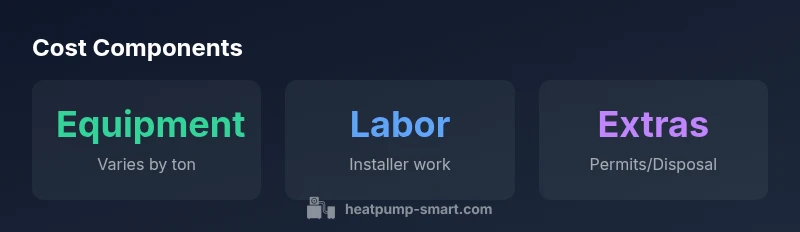
The calculator asks for a small set of inputs that map directly to the cost components of a heat pump replacement. The first input is System Size, measured in tons, which roughly correlates to house size and heating load. The second input is Equipment Cost per Ton, reflecting the price of the outdoor unit and indoor coil options at your chosen efficiency level. The third input is Labor Cost, representing installation labor, electrical work, and refrigerant charging. The final input is Additional Fees, covering permits, disposal of the old unit, reconnection work, and any miscellaneous charges. Each input is intentionally simple, but together they capture the main drivers of price. By adjusting system size or price per ton, you’ll see how the total shifts in real time. Heatpump Smart notes that efficiency and brand choices can shift the inputs dramatically, so use the calculator to explore multiple scenarios and prepare for discussions with contractors.
The role of efficiency and climate on cost
Beyond size, efficiency and climate play a crucial role in the overall price tag. Higher efficiency heat pumps often carry a higher upfront equipment cost, but they can reduce monthly energy bills and may qualify for rebates or tax credits. Climate conditions influence the number of zones, ductwork, and indoor air handling equipment required, which in turn affects labor and permitting needs. The heat pump replacement cost calculator exposes these relationships by letting you set different equipment costs per ton and different levels of insulation, duct sealing, or supplemental heat sources. You’ll see that a small increase in efficiency or a more favorable climate can either push the total up or down, depending on the balance of upfront costs and long-term savings. Heatpump Smart emphasizes that the calculator is a planning aid, not a substitute for a professional assessment.
Using the calculator for budgeting and planning
To use the calculator effectively, start with a realistic System Size based on your home’s heating load and climate zone. Choose a cost per ton that matches the brands you’re considering and the efficiency class you want. Enter reasonable Labor Cost estimates from local installers and include any known Additional Fees, such as disposal or permit fees. The calculator will return an Estimated Total Replacement Cost you can compare against bids. Use the results to negotiate with contractors, ask for itemized quotes, and identify where cost savings could come from—whether that’s a smaller unit, a mid-range efficiency option, or a staged installation. Heatpump Smart’s guidance is to run multiple scenarios and always factor potential rebates or incentives into your planning.
Real-world tips for reducing cost and avoiding pitfalls
- Proactively research local rebates, tax credits, and utility incentives, and plug those numbers into the calculator to see the after-incentive total. Heatpump Smart analysis shows that many homes realize meaningful savings when these programs are applied to the final figure.
- Ensure correct sizing. Oversized or undersized systems waste energy and increase labor costs, so use the calculator to compare different tonnage options before requesting quotes.
- Get at least three quotes. Use the calculator to create a common baseline so contractor bids are apples-to-apples, and you can spot inflated line items.
- Plan for future needs. If you’re upgrading insulation or ductwork, include those costs as separate line items in the Additional Fees field.
- Safety and code compliance. Do not bypass permits or electrical upgrades; failure to follow local codes can lead to fines and unsafe operation.
Interpreting the results and next steps
The output from the heat pump replacement cost calculator is a starting point for conversations with contractors and project budgeting. Look at the breakdown by component to understand where most of the cost comes from—equipment versus labor versus extras—and use that insight to prioritize choices. If the total seems high, revisit assumptions: a smaller system, a lower-cost brand, or staged upgrades can trim the price. If it seems low, verify inputs and compare against a professional assessment. Throughout the process, the Heatpump Smart team recommends documenting assumptions and updating inputs as plans evolve, so you have a reliable forecast when you’re ready to move forward. The calculator is a practical budgeting companion that empowers homeowners, builders, and property managers to plan confidently and avoid sticker-shock later in the project.