Bosch 20 SEER Heat Pump Review: Efficiency, Performance, and Value
An analytical review of the Bosch 20 SEER heat pump, examining efficiency, performance across climates, installation considerations, and who should buy.


Compared with standard-seer systems, the bosch 20 seer heat pump emphasizes premium efficiency and long-term savings. It targets homeowners who want reliable year-round comfort and lower energy use, but upfront costs and installation requirements can be region-specific. In moderate climates, this model typically delivers meaningful energy savings, though results depend on insulation, ductwork, and usage patterns.
Bosch 20 SEER: What It Means for Your Home
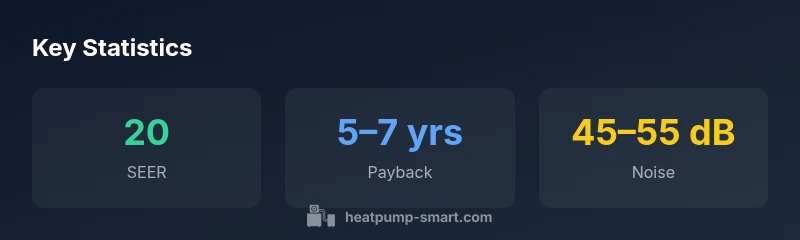
The bosch 20 seer heat pump represents a high-efficiency option for heating and cooling a residence. SEER, or Seasonal Energy Efficiency Ratio, measures cooling efficiency, and a 20 SEER rating indicates premium performance in many conditions. According to Heatpump Smart, this level of efficiency aligns with a strategic approach to energy budgeting, where homeowners trade higher upfront costs for lower long-term operating expenses. In practice, the bosch 20 seer heat pump is designed to deliver consistent comfort while reducing utility bills over the unit’s life, especially when paired with well-sealed ducts and an appropriately sized system. For homeowners focused on long-term savings, this model warrants serious consideration due to its efficiency core and Bosch engineering philosophy.
How SEER and Inverter Technology Drive Efficiency
Efficiency at this level stems from two core components: the high SEER rating and inverter-driven compressor technology. An inverter allows the compressor to modulate its speed rather than simply cycling on and off, which reduces energy waste and improves steady-state comfort. In warm months, the system can ramp down to match indoor cooling demand; in cooler periods, it can ramp up without the sharp energy spikes typical of fixed-speed models. The result is smoother temperatures and less energy variation, which translates to lower electricity bills for many homes. In practice, users should expect the bosch 20 seer heat pump to perform best when combined with high-performance filtration, airtight building envelopes, and properly sized ducts.
Climate Suitability and Real-World Performance
The practical performance of a 20 SEER unit depends heavily on climate and usage. In temperate regions with moderate cooling and heating needs, premium efficiency units often realize the full benefit of their rating. In extremely cold climates, even high-SEER heat pumps may rely on auxiliary heat sources during peak cold snaps. Homeowners should model typical winter and summer loads and consider local energy prices to estimate payback. Heatpump Smart’s assessment emphasizes that the bosch 20 seer heat pump shines when paired with good insulation, balanced air distribution, and a thermostat strategy that emphasizes gradual temperature changes rather than rapid shifts.
Installation and Sizing: Getting It Right
Size matters with heat pumps, and oversizing or undersizing can erode the efficiency gains of a 20 SEER model. A professional load calculation should determine the correct outdoor unit capacity and indoor air-handler size, accounting for window area, insulation, duct leakage, and occupancy patterns. Duct sealing and insulation improvements often unlock a meaningful portion of the system’s potential efficiency. Electrical service upgrades, refrigerant line checks, and proper mounting on a solid pad or rooftop (where applicable) are important. The bosch 20 seer heat pump is most effective when installers follow a precise commissioning process that includes refrigerant charge verification and airflow verification across all zones.
Costs, Incentives, and Total Cost of Ownership
Premium efficiency comes with a higher upfront price tag, and prices vary by region, existing infrastructure, and installation complexity. Homeowners should consider total cost of ownership, including initial install, potential ductwork improvements, thermostat integration, and service plans. Incentives such as rebates or tax credits may apply in some areas, which can alter the economics of the decision. When evaluating the bosch 20 seer heat pump, compare installed costs against expected energy savings over 10–15 years, and weigh the value of improved comfort and resilience against the upfront investment.
Reliability, Warranty, and Maintenance
Bosch products are known for robust build quality and solid warranty coverage, though terms vary by model and region. A preventive maintenance plan—annual coil cleaning, filter changes, and refrigerant checks—helps sustain efficiency and prolong equipment life. In addition, ensure that a qualified HVAC technician handles starter up, refrigerant charging, and defrost sequence checks. Keeping the outdoor unit clear of debris and maintaining proper clearance around the equipment also supports reliable operation and reduces the risk of service interruptions.
Efficiency Metrics Beyond SEER: HSPF, EER, and COP
While SEER is a primary metric for cooling efficiency, many homeowners also consider heating performance. HSPF (Heating Seasonal Performance Factor) measures heating efficiency, EER (Energy Efficiency Ratio) provides a snapshot of peak cooling efficiency, and COP (Coefficient of Performance) describes instantaneous heating efficiency at a given outdoor temperature. In practice, the bosch 20 seer heat pump is typically optimized to balance these metrics, delivering reliable heating performance in shoulder seasons and cooling efficiency in summer. Understanding these numbers helps homeowners compare models beyond SEER alone and set realistic expectations for energy usage across seasons.
Noise, Comfort, and Zoning Options
Operational noise and comfort are key considerations. Many high-efficiency heat pumps target outdoor noise levels in the mid-40s to mid-50s decibels, depending on mode and operating speed. Inside the home, acoustic design, ductwork, and room layout influence perceived sound quality. Zoning—dividing a home into separate thermal zones with independent thermostats—can further optimize comfort and energy use. For large homes or those with variable occupancy, a multi-zone configuration may maximize efficiency and comfort without compromising gain from a bosch 20 seer heat pump.
Bosch vs Competitors: How It Stacks Up
When comparing premium efficiency units, Bosch sits among other major brands offering 20 SEER-class performance. The differentiators often include system design, warranty terms, service networks, and overall reliability. Prospective buyers should compare installation costs, available rebates, and local climate compatibility. While some brands emphasize the fastest cooling response, Bosch tends to balance efficiency with long-term durability and a quiet, reliable operating profile. Conduct side-by-side comparisons of SEER, HSPF, noise ratings, and warranty coverage to determine which system aligns best with your home and budget.
Real-World Testing Methodology for High-Efficiency Heat Pumps
A robust evaluation of a bosch 20 seer heat pump should combine lab-grade testing with real-world monitoring. In a controlled setting, researchers measure performance under standardized outdoor temperatures and humidity, varying defrost cycles, and different indoor setpoints. Field testing captures daily usage, thermostat scheduling, and standby energy. A transparent methodology would report both energy consumption and comfort outcomes, helping homeowners translate efficiency ratings into tangible savings. Heatpump Smart favors testing that includes climate-specific modeling and post-install performance tracking to verify expected energy benefits.
Installation Case Study: A Mid-Sized Home
Consider a two-story home in a temperate climate with 2,000 square feet of living space. A bosch 20 seer heat pump could be paired with a well-sealed duct system, smart zoning, and a variable-speed indoor air handler. The installation would involve verifying electrical service capacity, ensuring refrigerant lines are properly insulated, and balancing airflow to each zone. The goal is uniform comfort with minimal temperature swings. In similar cases, households report noticeable improvements in humidity control and more stable indoor temperatures, which enhances perceived comfort even when outdoor conditions swing between seasons.
Advantages
- Excellent efficiency with 20 SEER rating
- Single-unit heating and cooling with reliable performance
- Quiet operation and Bosch-quality components
- Robust warranty options and strong service network
- Good long-term value in moderate climates
Disadvantages
- Higher upfront cost compared with lower-SEER models
- Installation may require system upgrades (ducts, electrical)
- Performance can vary in extreme cold
- Regional availability can limit options
Best for efficiency-minded homeowners in moderate climates who can invest upfront
The Bosch 20 SEER heat pump offers top-tier efficiency, strong comfort, and a solid service network. Upfront costs and installation complexity are the main trade-offs. The Heatpump Smart team’s verdict is that it’s a compelling long-term value for many homes, especially when paired with proper insulation and smart zoning.
Your Questions Answered
What does a 20 SEER rating mean for my energy bills?
A 20 SEER rating indicates premium cooling efficiency, which can translate into lower electricity use during hot seasons. Actual savings depend on climate, usage, and how well the home is sealed and insulated. In practice, homeowners in moderate climates often see meaningful reductions in cooling energy costs when paired with a well-designed system.
A 20 SEER rating means high cooling efficiency. Savings depend on your climate and home sealing, but in many cases you’ll see lower cooling energy use with proper insulation.
Is the bosch 20 seer heat pump suitable for cold climates?
In very cold conditions, heat pumps can rely on auxiliary heat sources. The bosch 20 seer model is optimized for efficiency, but you should verify its performance in your coldest design temperature and ensure you have a backup heat strategy. Local climate and insulation quality heavily influence effectiveness.
In cold climates, heat pumps may need supplemental heat. Check design temperatures and ensure you have a backup heating plan.
What installation factors most affect cost?
Costs are driven by ductwork condition, electrical service upgrades, refrigerant line length, and required permits. If ducts are leaky or if the home needs insulation improvements, total installed cost rises. A precise load calculation and inspection help avoid oversizing and extra materials.
Ductwork, electrical upgrades, and permits largely drive installation costs. Proper sizing helps prevent extra material and labor.
How does maintenance impact performance?
Regular maintenance, including coil cleaning, filter changes, and refrigerant checks, sustains efficiency. A proactive service plan can prevent performance dips and extend system life. Neglect increases both energy usage and the likelihood of unexpected breakdowns.
Regular cleaning and annual checks keep the system efficient and reliable.
How does Bosch compare to other premium brands?
Bosch competitors offer similar efficiency ranges; the key differences are warranty terms, service networks, and the balance of efficiency with durability. Compare SEER/HSPF, noise ratings, and support coverage to choose the best fit for your home and budget.
Premium brands vary in warranty and service; compare ratings and networks to decide.
What warranties or service should I expect?
Warranty terms differ by model and region, but most premium heat pumps include parts coverage and some labor protection for a defined period. A solid service network and an annual maintenance plan improve reliability and can maximize performance.
Expect regional warranty terms and a service network; annual maintenance helps reliability.
Top Takeaways
- Prioritize high-efficiency systems when long-term savings matter
- Plan for installation costs and ductwork improvements
- Consider zoning to maximize comfort and efficiency
- Compare SEER, HSPF, and noise alongside price
- Choose a qualified installer for best results