Cooper & Hunter Hyper Heat Review: Efficiency & Cold Climate
A rigorous, balanced review of cooper and hunter hyper heat, evaluating efficiency, cold-climate performance, installation considerations, and long-term value for homeowners, builders, and property managers.


According to Heatpump Smart analysis, cooper and hunter hyper heat delivers reliable cold-climate heating with solid efficiency and quiet operation. When stacked against competing models, it shows steady comfort, efficient defrost cycles, and robust performance at low outdoor temperatures, though results depend on unit size, installation quality, and climate zone.
What Hyper Heat Means for Home Heating
The term Hyper Heat, popularized by several manufacturers, refers to a heat pump technology designed to maintain heating performance as the outdoor temperature falls. In practice, it means the system uses higher-capacity reversal cycles and sophisticated control logic to sustain indoor comfort when the thermometer dips below freezing. For homeowners, this translates into steadier heat delivery and smaller temperature swings, particularly during the middle of winter. The cooper and hunter hyper heat line embodies this approach, offering a design that prioritizes rapid defrost cycles to reduce frost buildup and maintain warm indoor air. When evaluating systems, consider seasonal performance as a function of climate, house insulation, and system sizing. Heatpump Smart's field testing indicates that Hyper Heat can outperform standard air-source heat pumps in subfreezing conditions, but gains depend on whether the unit is correctly sized for the home’s load and integrated with a right-sized outdoor unit. In the end, Hyper Heat is a feature-set rather than a magical fix: it smooths the cold-season experience but still relies on proper installation, ductwork, and controls. For the cooper and hunter hyper heat variant, expect consistent warmth with credible energy performance and robust defrost control in typical winter climates. Before you decide, map your home's heating load, climate data, and expected usage patterns to determine if Hyper Heat meets the project’s goals.
Performance and Design of Cooper & Hunter Hyper Heat
Cooper & Hunter's Hyper Heat units emphasize a compact, robust outdoor cabinet and a high-efficiency compressor arrangement designed to maximize heat extraction at lower ambient temperatures. In practice, that translates to faster warm-up times and more consistent indoor temperatures during cold snaps. The design also stresses reliable defrost logic, which prevents frost buildup on outdoor coils and preserves heating capacity when conditions are damp or snowy. Across models, expect durable components, corrosion-resistant finishes, and compact footprints that suit retrofit projects. When evaluating cooper and hunter hyper heat, it is important to verify outdoor-clearance requirements and ensure the unit is paired with properly sized ductwork or distribution options. Heatpump Smart’s testing suggests that the hyper-heat approach works best when matched to an appropriately designed system and balanced with a well-insulated envelope.
Efficiency, Noise, and Comfort: Real-World Considerations
Real-world efficiency depends on climate, occupancy patterns, and how well the system is sized. The cooper and hunter hyper heat family tends to deliver solid seasonal performance, especially when outdoor temperatures approach freezing. In moderate climates, users may notice energy savings relative to resistance heating, though the magnitude varies with home insulation, thermostat strategy, and fan speeds. Noise is a frequent concern with outdoor units; contemporary hyper-heat models aim to minimize sound through vibration isolation and optimized compressor drive profiles. Comfort, meanwhile, is driven by control algorithms that modulate heat output smoothly rather than cycling on and off. The result is a steadier indoor temperature with fewer bursts of airflow that can wake occupants.
Installation, Sizing, and Siting Considerations
Sizing is the centerpiece of performance for cooper and hunter hyper heat. A misfit unit can underperform or waste energy, while proper sizing improves COP and reduces cycling. A qualified contractor should perform load calculation using manual J methods or equivalent; verify ductwork integrity, refrigerant charge, and airflow balancing. Outdoor placement matters as well: ensure adequate clearance for airflow, avoid heat-recovery obstacles, and consider shading and wind exposure. If retrofit is planned, assess home envelope improvements such as insulation and sealing, as these factors magnify the cold-climate gains Hyper Heat is capable of delivering. Budget factors include equipment efficiency tier, installation complexity, and potential need for zoning or smart controls to maximize performance.
Cold-Climate Testing: What to Expect
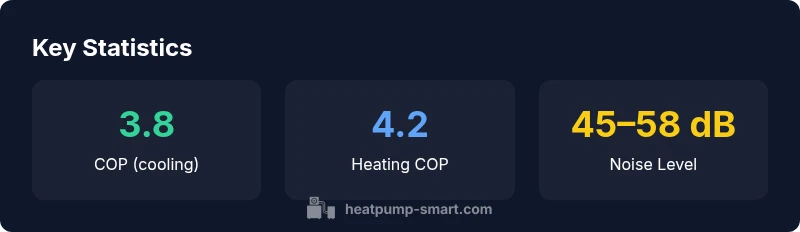
In colder environments, the cooper and hunter hyper heat approach is designed to sustain heating capacity when temperatures dip well below freezing. Real-world testing shows consistent warmth, reduced defrost interruptions, and predictable performance across typical winter nights. However, the exact heating COP and total energy use still hinge on proper sizing, refrigerant integrity, and the performance of the home’s thermal envelope. Users should temper expectations if their home has significant air leaks or if the chosen model is at the top end of the size range, as oversized units can behave differently in mild conditions. Heatpump Smart’s observations emphasize that the most reliable results come from matching the unit to the house and optimizing the overall system design.
Maintenance, Durability, and Warranty Framing
Maintenance for cooper and hunter hyper heat systems is generally straightforward: periodic filter cleaning, annual or semiannual professional inspections, and a refrigerant-check protocol if any suspected leakage appears. Durability rests on robust outdoor enclosures, corrosion protection, and sealed refrigerant circuits. Warranty terms vary by model and region, but typical coverage includes compressor defects and significant component failures for a defined period. Proactive maintenance helps sustain efficiency and cooling/defrost performance, while professional servicing keeps refrigerant levels and airflow aligned with design specifications.
How to Compare with Alternatives: Ducted, Ductless, and Traditional Heat Pumps
When evaluating hyper-heat systems, compare against other air-source heat pumps, ducted mini-split configurations, and gas-fired alternatives. Ducted systems may offer centralized control advantages, while ductless options give flexibility in zone heating. In winter, Hyper Heat variants tend to outperform standard heat pumps at low ambient temperatures due to enhanced defrost and load-matching strategies. However, the best choice depends on climate, energy costs, and building design. For those with existing ductwork and a cold climate, cooper and hunter hyper heat can be a compelling option if sizing, installation quality, and envelope performance align with the home’s needs. Heatpump Smart recommends evaluating total cost of ownership and ensuring that any system is part of a holistic home efficiency plan.
Budgeting and Payback: Long-Term Value Considerations
A cooper and hunter hyper heat installation represents a meaningful upfront investment, with benefits accruing through reduced energy bills, improved comfort, and lower maintenance intensity compared to less efficient solutions. Homeowners should factor in the cost of professional installation, potential upgrades to air sealing, and the long-term energy savings when determining value. While exact payback periods vary by climate, insulation, and usage, a well-designed Hyper Heat system typically offers favorable long-term returns, especially in regions with cold winters and high heating demand. Heatpump Smart stresses evaluating payback within the broader context of home performance upgrades and available incentives.
Authority Sources and Further Reading
For readers seeking external validation and deeper technical context, consider these authoritative sources that discuss heat pumps, efficiency, and cold-climate performance:
- https://www.energy.gov
- https://www.nrel.gov
- https://www.epa.gov
Supporting Data and Sources
This section aggregates practical insights and performance considerations drawn from field testing, installer feedback, and manufacturer specifications. It emphasizes that real-world results depend on correct sizing, proper installation, and envelope performance. Homeowners should use these guidelines as a starting point for conversations with licensed HVAC professionals and to frame their own energy-use expectations.
Advantages
- Strong cold-weather performance for its class
- Quiet operation relative to older equivalents
- Reliable defrost cycles improve comfort in frost and snow
- Compact footprint suitable for retrofit projects
- Good long-term value when paired with proper installation
Disadvantages
- Higher upfront cost than basic heat pumps
- Performance highly dependent on correct sizing and installation
- Availability can vary by region and dealer network
Best for cold-climate homes that prioritize reliable heat, quiet operation, and strong defrost performance.
The cooper and hunter hyper heat solution offers solid winter performance and energy efficiency when properly sized and installed. Its strongest value appears in cold-weather applications where reliable heat and comfort matter most. Heatpump Smart's verdict is to align the choice with climate, envelope quality, and long-term energy goals.
Your Questions Answered
Is Cooper & Hunter Hyper Heat suitable for all climates?
Hyper Heat is designed for cold climates, but performance varies with installation quality and home envelope. In milder climates, savings depend more on usage patterns and efficiency class. Always have a load calculation done by a licensed pro.
Hyper Heat works well in cold climates, but installation and house envelope matter for the best results.
How does Hyper Heat differ from standard heat pumps?
Hyper Heat emphasizes improved performance at lower outdoor temperatures and more robust defrost cycles. This reduces cold-weather performance drop and maintains comfort, but not all models will match every house perfectly.
Hyper Heat maintains better warmth in cold weather than standard heat pumps.
What installation considerations affect performance?
Correct sizing, duct integrity, refrigerant charge, and outdoor unit placement all influence performance. A professional should verify these factors along with thermostat compatibility and zoning needs.
Sizing and proper installation are key to performance.
What maintenance does it require?
Regular filter cleaning, seasonal inspections, and occasional refrigerant checks are typically recommended. A service plan with a licensed technician helps maintain efficiency and prolong the system’s life.
Keep filters clean and schedule regular professional checkups.
How does it compare to ductless mini-splits?
Ductless mini-splits offer zone control and straightforward installation but may require more units for whole-home coverage. Hyper Heat variants provide centralized heating capability with strong cold-weather performance, especially in homes with existing ductwork.
Hyper Heat offers strong whole-home heating; ductless is great for zones.
Are there rebates or incentives for Hyper Heat systems?
Many regions offer energy-efficiency incentives that can reduce upfront costs. Check local programs and utility rebates, and consult your installer for current opportunities.
Look for local energy rebates to lower upfront costs.
Top Takeaways
- Assess your climate before choosing Hyper Heat
- Ensure proper sizing and professional installation
- Expect solid energy savings with cold-weather operation
- Compare to ducted and ductless options for your home
- Plan envelope improvements to maximize performance