Does a heat pump make sense? A practical guide for home comfort and energy savings
Explore whether a heat pump makes sense for your home. Learn how heat pumps work, climate considerations, sizing, costs, installation, and maintenance from Heatpump Smart's expert guidance.


Yes — in many homes, does a heat pump make sense as a primary heating and cooling system. It uses electricity to move heat rather than burn fuel, delivering year‑round comfort with the potential for lower operating costs. The decision depends on climate, electricity costs, insulation, and whether you’re replacing an aging system or retrofitting. This quick answer frames the factors you’ll evaluate in our detailed guide.
Why this question matters for homeowners
Does a heat pump make sense? In 2026, homeowners are increasingly evaluating heat pumps as a central technology for year‑round comfort. According to Heatpump Smart, the decision hinges on a combination of climate, electricity pricing, home envelope (insulation and air sealing), and the scope of your upgrade. This section sets the stage for practical decision‑making: if your home is well insulated, your electricity is affordable, and you’re replacing an older heating system, a heat pump often becomes a strong candidate for both heating and cooling. The goal is to maximize comfort while minimizing operating costs over the system’s lifetime. Heatpump Smart’s guidance emphasizes starting with a clear plan and credible contractor input to avoid common retrofit pitfalls.
How heat pumps work across seasons
Heat pumps are heat transfer devices. In winter, they pull warmth from the outdoor air (even at low temperatures) and move it indoors, requiring less energy than electric resistance heaters. In summer, the cycle reverses, providing cooling. The efficiency of a heat pump is described by metrics like COP and SEER, which vary with outdoor temperature and indoor setpoints. A well‑designed system uses an intelligent thermostat and zoning to deliver comfort without overworking the compressor. Heatpump Smart notes that the precise performance depends on your climate and how well your home is sealed; a leaky envelope can erode efficiency gains.
Climate and performance: what to expect
Performance of heat pumps varies with climate. In moderate climates, many homes enjoy substantial comfort and lower operating costs compared with electric resistance heating. In colder regions, cold climate heat pumps (CCHPs) can still perform well, but you may need supplemental heating during the coldest periods. The key factors are outdoor temperatures, humidity, and the building’s insulation level. Heatpump Smart stresses the value of a climate‑appropriate choice: choosing the right heat pump model (air‑source vs. ground‑source) and an appropriately sized unit can yield reliable comfort while avoiding oversizing penalties that waste energy.
Comparing heat pumps to conventional heating systems
Compared with natural gas or heating oil furnaces, heat pumps offer a different economics profile. They convert electricity into heat movement rather than combustion, which can reduce emissions and improve indoor air quality. When paired with a modern thermostat and good insulation, heat pumps often outperform resistance electric heating for both comfort and efficiency. However, the relative savings depend on local fuel prices, electricity rates, and installation costs. Heatpump Smart recommends evaluating total cost of ownership over 10–15 years, including maintenance and potential retrofit needs, rather than just first‑year price.
Sizing and selection: choosing the right heat pump
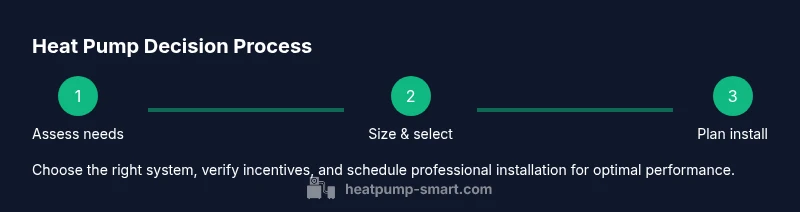
Sizing a heat pump correctly is critical. An undersized unit won’t heat or cool evenly, while an oversized unit can short‑cycle and waste energy. A professional load calculation (often a Manual J) and a site survey determine the right size, refrigerant type, and outdoor‑unit placement. Consider efficiency ratings (COP for heating, SEER for cooling) and the availability of auxiliary controls like smart thermostats and zoning. Heatpump Smart advises homeowners to request two or more detailed proposals and to verify equipment with credible ratings and warranty terms. Proper sizing helps ensure comfort and cost savings over time.
Installation considerations and costs
Installation quality drives performance just as much as equipment specs. Factors include ductwork condition (or the choice of a ductless system), electrical service capacity, refrigerant lines, and outdoor unit clearance. Costs vary with system type (air‑source vs. geothermal), required retrofits, and local labor rates. Many regions offer rebates or incentives that can significantly affect total cost of ownership. Heatpump Smart emphasizes engaging licensed contractors who can provide a clear scope, timeline, and performance expectations, plus a warranty on both equipment and labor.
Retrofit vs new build: when to install
For existing homes, retrofitting a heat pump is common, but it requires planning around existing ductwork or choosing a ductless mini‑split solution for zoned comfort. In new builds, heat pumps can be integrated with high‑performance envelopes and heat recovery ventilation to maximize efficiency. The decision often hinges on building insulation quality, existing heating systems, and the willingness to pursue accompanying upgrades such as improved ventilation. Heatpump Smart suggests evaluating your long‑term plans and consulting an HVAC professional for a phased approach if needed.
Maintenance and reliability
Regular maintenance keeps heat pumps performing at peak efficiency. Tasks include filter changes, coil cleaning, refrigerant level checks, and thermostat calibration. Some components, like capacitors or fans, may require periodic inspection by a technician. Annual or biannual inspections help catch efficiency issues early and extend the life of the system. Heatpump Smart notes that reliability improves with a well‑engineered design, proper refrigerant charging, and high‑quality components.
Real‑world scenarios and case studies
Consider a family in a temperate climate who swapped an aging electric resistance system for a heat pump. They experienced quieter operation, improved cooling in the summer, and noticeably warmer rooms in winter, with less monthly energy use after a full envelope upgrade. In another example, a multifamily building upgraded to a heat pump with a central thermostat control and smart zoning, achieving consistent comfort and reduced maintenance calls. Real‑world results depend on proper sizing, insulation, and system integration; the right plan unlocks both comfort and efficiency benefits.
Common myths debunked
Myth: heat pumps don’t work in cold weather. Reality: modern heat pumps with cold‑climate designs perform well, especially with auxiliary backup heating if needed. Myth: heat pumps are expensive to install. Reality: installation costs vary, but incentives and long‑term savings can offset upfront costs. Myth: you must replace ductwork. Reality: ductless mini‑splits or retrofit solutions can serve many homes without a full duct replacement. Heatpump Smart’s experience shows that informed planning and professional sizing are crucial to dismantling these myths.
Tools & Materials
- Energy bills and thermostat data(Collect electricity bills for the past 12 months and thermostat usage patterns)
- Home insulation and envelope details(R‑values, attic and wall insulation type, air leakage information)
- Climate data by location(Local heating degree days and typical outdoor temperatures)
- Quotes from local heat pump contractors(At least 2 detailed proposals with scope and warranties)
- Access to electrical panel and space for outdoor unit(Confirm service disconnect, clearance, and electrical capacity for new equipment)
Steps
Estimated time: 2–6 weeks for assessment, quotes, and final planning
- 1
Assess current heating and insulation
Review current energy bills, comfort gaps, and envelope leaks. Identify rooms that stay cold or hot and note thermostat patterns. This context informs whether a heat pump will meet your needs efficiently.
Tip: Document top 3 comfort issues and keep a month‑long energy bill snapshot for accuracy. - 2
Gather climate and site data
Collect local climate data and inspect outdoor space for unit placement, clearance, and noise considerations. Good siting reduces performance losses and keeps the system quieter.
Tip: Take photos of outdoor spaces and potential obstructions for contractor review. - 3
Request multiple detailed proposals
Ask for two or more bids that include equipment specs, ductwork or ductless plan, labor, permitting, and warranties. Compare apples to apples by using the same efficiency targets.
Tip: Ensure proposals specify the model, efficiency ratings, and maintenance requirements. - 4
Size and efficiency evaluation
Have a qualified contractor perform a load calculation and confirm sizing. Verify refrigerant type, COP/SEER ratings, and whether auxiliary heat is needed in extreme weather.
Tip: Avoid oversized units that cycle on/off frequently; proper sizing yields better comfort and savings. - 5
Plan installation logistics
Coordinate ductwork needs, electrical service upgrades, and outdoor unit placement. Ensure permits are understood and a clear timeline is established.
Tip: Request a written installation plan with milestones and a post‑install test. - 6
Evaluate incentives and total cost
Identify rebates or tax credits available in your region and factor them into the payback period. Consider long‑term operating costs and maintenance.
Tip: Ask contractors to provide a payback estimate based on your utility rates. - 7
Finalize retrofit or new build plan
Decide between retrofit options (ducted, ductless, or hybrid) and install a system that aligns with long‑term energy goals and comfort priorities.
Tip: Keep a contingency budget for potential envelope improvements.
Your Questions Answered
What exactly is a heat pump and how does it work for heating and cooling?
A heat pump transfers heat between indoors and outdoors using a refrigeration cycle, delivering heating in winter and cooling in summer. It’s more efficient than electric resistance heating because it moves heat rather than creating it.
A heat pump moves heat into or out of your home to heat or cool, often with greater efficiency than traditional electric heaters.
Can heat pumps work in very cold climates?
Yes, modern cold climate heat pumps perform well in many cold areas, though extreme conditions may require supplemental heating. A professional can size the system to balance efficiency and reliability.
Cold climate heat pumps work well in many regions, but very cold days may need optional backup heating.
What costs should I expect for installation?
Costs vary based on system type, ductwork, and electrical upgrades. Look beyond initial price to include installation quality, warranties, and ongoing energy savings.
Expect a range based on your setup, with attention to installation quality and potential rebates.
How do I know if my home is a good candidate?
A good candidate typically has good insulation, a climate where heat pumps are efficient, and access to rebates. A professional assessment confirms suitability and best equipment type.
Most homes with solid insulation and a reasonable climate can benefit from a heat pump after a proper assessment.
Can I use a heat pump with my existing furnace or boiler?
Yes, many homes use heat pumps in hybrid configurations with existing furnaces or boilers to provide backup heat in extreme conditions while improving overall efficiency.
You can pair a heat pump with your current furnace for backup heat and better efficiency.
Watch Video
Top Takeaways
- Assess your home’s insulation and envelope before choosing a heat pump.
- Size the system correctly to avoid inefficiency and comfort issues.
- Factor climate, electricity costs, and incentives into the payback.
- Work with licensed contractors who provide clear scopes and warranties.
- Retrofit and new builds both work—choose the approach that aligns with long‑term goals.