Heat Pump in Winter: A Practical How-To Guide
Learn how to operate a heat pump during winter for comfort and efficiency. This step-by-step guide covers thermostat settings, maintenance, defrost, backup heat, and practical tips for homeowners, builders, and property managers.


Goal: keep your home warm efficiently using a heat pump in winter while controlling costs. Core steps include optimizing thermostat settings for cold snaps, ensuring the outdoor unit is clear of snow and debris, scheduling a seasonal service, and using supplemental heat only during extreme cold. These practices help maintain COP and comfort.
Understanding heat pump performance in winter
Winter operation is influenced by outdoor temperature, humidity, and frost events. A heat pump pulls heat from outside air and transfers it inside; in winter the outdoor coil can accumulate frost, triggering defrost cycles and temporary shifts to auxiliary heat. The key is to balance comfort with efficiency without compromising safety. According to Heatpump Smart, the best results come from understanding how outdoor conditions affect COP, recognizing when defrost is active, and planning for occasional supplemental heat during deep cold snaps. In practical terms this means prioritizing airflow, cleaning filters, and ensuring the system is sized for cold-weather performance, not just nominal design temperatures. When you align thermostat programming, maintenance, and backup heat, you keep living spaces comfortable while minimizing wasteful energy consumption.
Thermostat strategy for winter efficiency
Thermostat strategy is your first lever for winter efficiency. Set a comfortable baseline temperature for when you are home, then use programmed setbacks for away hours and overnight. A typical home aims for around 68°F (20°C) when people are present and around 60-65°F (15-18°C) during sleep or extended absences; adjust for your climate and insulation. A smart or Wi Fi enabled thermostat makes this easier by letting you automate schedules and react to weather changes. Use temporary boosts only when the outdoor temperature is below the unit's efficient operating range, not as a constant habit. For homes with multiple zones, prioritize common living spaces during the day and bedrooms at night. Always verify that the thermostat changes propagate to the heat pump control system and that the indoor humidity stays within comfortable limits.
Outdoor unit winter readiness
Outdoor units bear the brunt of winter weather. Clear snow and ice from around the coil and ensure there is at least a few feet of clearance for airflow. Do not cover the unit with a tarp or metal cover, as this can trap moisture and cause corrosion or reduced performance. Keep debris, leaves, and ice away from intake grilles. If snow accumulates, gently remove it with a plastic scoop, not a metal shovel that could bend fins. Ensure the unit is level and free of standing water. In areas with heavy snowfall, consider a roof or canopy that allows air access while protecting from drifting snow, but avoid restricting airflow. Regular checks during midwinter storms help avoid performance dips during cold snaps.
Ductwork and insulation in winter
Inefficient ductwork can waste energy more than the heat pump itself. Inspect ducts for leaks and seal with appropriate tape or mastic. Insulation around and within ducts in unconditioned spaces reduces heat loss, especially in attic and crawlspace runs. If you have long duct runs or uninsulated sections, consider upgrading to flexible insulated ducts or adding more insulation to the attic. For multi story homes, ensure each level is adequately pressurized and heated to prevent cold spots. A simple manual check of air leaks around register grilles and returns can reveal obvious loss points. By reducing heat losses in winter, your heat pump works less hard to reach comfortable temperatures.
Defrost cycles explained
Defrost cycles are a normal part of heat pump operation in winter. When outdoor coils frost, the system temporarily reverses refrigeration to melt frost and maintain heat output. Defrost increases energy use briefly and can temporarily raise indoor temperatures, which is usually offset by the subsequent heating cycle. The frequency and duration depend on outdoor humidity, wind, and temperature. If the defrost cycle seems unusually long or frequent, a service check may be warranted. Ensure the outdoor drain line remains clear, and inspect for ice buildup around the unit. By understanding defrost, you can avoid misinterpreting a normal cycle as a fault.
Auxiliary heat and backup strategies
Auxiliary heat, often electric resistance heat, provides heat quickly when the heat pump cannot meet demand due to very cold outdoor temperatures. Relying too heavily on auxiliary heat can erode efficiency, increase bills, and shorten equipment life. The best strategy is to optimize the heat pump's operation with proper thermostat settings and zoning so that auxiliary heat engages only when necessary. If you find peak winter days push the system to use backup heat for long periods, consider upgrading to a cold climate heat pump or supplementing with a more efficient fossil fuel backup or solar heating options depending on your climate. In most homes, you can keep auxiliary heat usage to a minimum by improving insulation, sealing leaks, and using weather stripping around doors and windows.
System sizing and cold climate options
System sizing matters more in winter than just meeting design temperatures. A heat pump rated for cold climate operation maintains performance better at lower outdoor temperatures. When selecting a unit, look for features like cold climate refrigerant charge, enhanced defrost strategies, and a robust compressor. Proper sizing means avoiding oversizing, which can lead to short cycling and poor humidity control. A professional load calculation, such as a Manual J, helps determine the right size and helps prevent comfort swings. If you live in a very cold climate, consider a dual fuel arrangement with a secondary furnace or use a heat pump with an auxiliary heat system designed for winter resilience. The idea is to maintain consistent indoor comfort without excessive energy use.
Real-world scenarios for different homes
Real world scenarios help illustrate how heat pumps behave in winter. A small single story home with good insulation responds quickly to thermostat adjustments and typically uses less energy for heating. A large multi story home may require zoning to avoid overheating or under heating. For apartments, the building envelope and shared walls can influence heat pump performance; ensure common mechanical room clearance and venting. In all cases, schedule regular maintenance before and during winter to sustain performance. When temps plunge, grouping living spaces into one zone can minimize energy use while keeping residents comfortable. Your home's insulation, window quality, and thermostat programming are major factors.
Seasonal service plan and maintenance calendar
An annual seasonal service is essential for winter readiness. Schedule a professional inspection before the first cold snaps and again mid winter if you notice performance changes. Routine tasks include refrigerant pressure check, electrical connections, thermostat communication, and defrost sequencing. Homeowners should clean or replace air filters monthly during heating season and verify airflow. Check outdoor unit clearance after storms and ensure condensate drains are functioning to prevent water damage. A simple winter maintenance checklist can save energy and improve comfort.
Economic considerations and energy-saving tactics
Energy costs during winter are influenced by climate, insulation, and occupancy patterns. Heat pumps generally offer lower operating costs than resistance heating, especially when paired with efficient thermostats and proper insulation. To maximize savings, use smart scheduling, seal air leaks, and maintain consistent indoor temperatures rather than large temperature swings. Consider taking advantage of seasonal rebates and incentives if available in your region. Track monthly energy usage to identify trends and adjust settings accordingly.
Authority sources
For further reading, consult reputable sources on heat pump operation in winter. Official guidance from energy and building science bodies emphasizes optimizing thermostat scheduling, outdoor unit maintenance, and proper backup heat management. Practical tips are widely discussed by national energy agencies, independent efficiency programs, and professional societies. This section provides a curated set of credible references to deepen understanding and support best practices.
https://www.energy.gov/eere/buildings/articles/heat-pumps-winter-performance https://www.energystar.gov/products/heating_cooling https://www.ashrae.org
Tools & Materials
- Smart thermostat(Wi Fi enabled preferred for scheduling and remote monitoring)
- Weatherproof outdoor unit clearance tools(Shovel or scoop for clearing snow; broom for debris)
- Duct inspection/sealant kit(Check for leaks and seal gaps as needed)
- Seasonal maintenance checklist or service appointment(Annual professional inspection before winter)
- Insulation materials or weather stripping(Seal around doors/windows to reduce heat loss)
- Backup heat source (portable heater)(Use only with safety precautions and near proper outlets)
Steps
Estimated time: 60-90 minutes
- 1
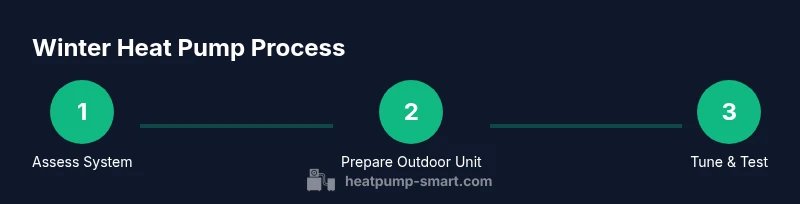
Assess system and set winter targets
Evaluate current heat pump performance and establish comfort and energy goals for the season. Note any existing issues like cold spots or uneven heating. This baseline helps you measure improvements after tweaks.
Tip: Document baseline indoor temperature and energy use before making changes. - 2
Optimize thermostat programming
Set a comfortable daytime baseline and implement nighttime and away setbacks. Use zone priorities to keep living spaces warm while reducing unoccupied areas. Ensure changes propagate to the heat pump control system.
Tip: Use a smart thermostat to automate schedules and temperature swings safely. - 3
Prepare outdoor unit for winter
Clear snow and debris from around the outdoor coil, maintaining several feet of clearance. Inspect fins for damage and ensure there is no obstruction to airflow.
Tip: Avoid using metal tools that can bend fins; use plastic scoops instead. - 4
Schedule seasonal service
Book a professional inspection before the coldest period and consider a midwinter check if the system shows signs of strain. Tests should cover refrigerant pressures, electrical connections, and defrost control.
Tip: Ask the technician to review backup heat operation and defrost timing. - 5
Manage backup heat and defrost strategy
Understand when the heat pump uses auxiliary heat and how long defrost cycles last. Optimize thermostat settings to minimize reliance on auxiliary heat during typical cold spells.
Tip: Keep backup heat for emergencies, not as a daily default. - 6
Inspect ductwork and insulation
Check for leaks and seal, especially in unconditioned spaces. Improve insulation around ducts to reduce heat losses and balance airflow across zones.
Tip: Seal leaks with appropriate tape or mastic and insulate exposed ducts. - 7
Monitor performance and energy usage
Track monthly energy consumption and indoor comfort levels. Look for sudden temperature swings or rising bills as early warnings of issues.
Tip: Create a simple winter log noting outdoor temps and indoor setpoints. - 8
Case studies and scenario planning
Review typical winter scenarios for your home type and adjust habits accordingly. For example, small homes with good insulation respond differently than large, multi-story layouts.
Tip: Tailor zone strategies to occupancy patterns to boost efficiency. - 9
End-of-season maintenance and spring prep
Before warm weather arrives, perform a light maintenance pass and note any components that may require service in spring. Store away seasonal accessories and prepare for the transition.
Tip: Schedule a post-winter check to prevent carryover issues into spring.
Your Questions Answered
Can a heat pump heat my home effectively in very cold winters?
Yes, heat pumps can provide reliable heat in cold weather, but performance depends on outdoor temperatures, climate, and system design. In extreme cold, a backup heat source may be used occasionally.
Heat pumps can work well in cold weather, though efficiency drops as it gets colder, and backup heat might be needed during deep cold spells.
What thermostat settings are best in winter?
Set a baseline comfortable temperature for when you are home, and use programmed setbacks for away times and sleep. For many homes, 68°F during the day and lower at night is a good starting point.
Keep a steady, comfortable temperature and use scheduled setbacks to save energy.
Should I defrost automatically?
Defrost is typically automatic and necessary to prevent frost buildup on the outdoor coil. If frost persists unusually long, have a professional check the system.
Defrost happens automatically; if it runs too long, call a technician.
Is defrost cycle loud or costly?
Defrost cycles use some extra energy but are a normal part of operation. Extended defrost periods may indicate a maintenance need.
Defrost uses energy but is normal; long cycles deserve a check.
How often should I service my heat pump in winter?
Aim for an annual professional service before winter starts, with a midseason check if performance changes are noticed.
Have a yearly professional check before winter, and monitor performance during the season.
What energy savings can I expect?
Savings depend on climate and usage; heat pumps typically cost less to run than resistance heat when well maintained and properly sized.
Savings vary, but heat pumps are generally cheaper to run than electric resistance heating when optimized.
Watch Video
Top Takeaways
- Optimize thermostat scheduling to balance comfort and savings
- Keep outdoor unit clear and well ventilated
- Schedule seasonal maintenance before and during winter
- Use auxiliary heat sparingly to protect efficiency
- Track energy use to detect performance changes early