Intex Pool Heat Pump Review: Efficiency, Sizing, and Installation Tips
An in-depth review of Intex pool heat pumps, covering efficiency, sizing, installation, and costs for homeowners, builders, and managers. Learn how to maximize comfort with Heatpump Smart’s expert guidance.


An Intex pool heat pump can provide efficient, climate-friendly heating for above-ground pools, but performance hinges on ambient temperature, pool size, and correct sizing. In practice, pairing a heat pump with a pool cover and appropriate unit capacity yields steady comfort and energy savings versus resistance heaters. According to Heatpump Smart, thoughtful setup and seasonal operation are the keys to consistent performance.
What is an Intex pool heat pump and why it matters
Intex pool heat pumps are a popular solution for extending the swimming season of above-ground pools. They operate by extracting heat from the outdoor air and transferring it to your pool water, using electricity to power a small compressor. This approach is significantly more energy-efficient than electric resistance heaters and can reduce running costs over time. According to Heatpump Smart, the primary value of a heat pump is the balance between upfront costs and long-term savings. For Intex pool owners, selecting the right unit means matching capacity to pool volume, ensuring proper placement, and factoring in climate and insulation. This guide helps you assess whether an intex pool heat pump fits your setup, and how to approach a purchase with real-world constraints like space, electricity access, and budget.
How a pool heat pump works and why it's efficient
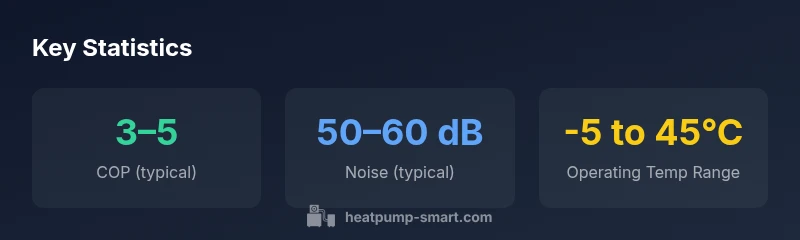
A pool heat pump uses the same basic physics as a refrigerator: it moves heat rather than creates it. A small compressor, evaporator coil, and condenser work together to extract ambient warmth from outdoor air and transfer it to water circulating through your pool. The system relies on a refrigerant cycle, absorbing heat at low temperatures and releasing it at higher temperatures into the pool. The efficiency of this process is expressed as the coefficient of performance (COP). While COP varies with outdoor temperature, humidity, and water flow, heat pumps are generally more efficient than electric resistance heaters, especially in mild to warm weather. This makes an intex pool heat pump a compelling option for extending the swimming season without a steep energy bill.
Compatibility with Intex pools: sizing, voltage, and installation basics
Intex above-ground pools come in a range of sizes, and the right heat pump depends on your pool’s volume, surface area, and desired water temperature. Most heat pumps run on standard household electricity, but installation requirements vary by model and local codes. You’ll need a dedicated circuit with appropriate breaker sizing and hard-wired connections or a weatherproof outdoor outlet, plus a GFCI for safety. Placement matters for airflow and efficiency: keep clearances around the unit, avoid obstructions, and position the unit where warm air can vent away from spectators. When integrating with an Intex system, you may connect the heat pump to your pool’s return line via standard adapters. A well-placed cover reduces nighttime heat loss and improves overall efficiency, especially in shoulder seasons.
Sizing your Intex pool heat pump: a practical approach
Sizing should balance pool volume, regional climate, and desired heat-up rate. Start by noting your pool’s gallons, normal usage, and the lowest temperatures you expect. A unit with adequate capacity to warm the water at a reasonable rate without running constantly is ideal. Heatpump Smart recommends using a sizing calculator or consulting with a professional to avoid under-sizing (inefficient operation) or over-sizing (higher upfront cost and unnecessary idle running). For many Intex setups, a mid-range unit provides reliable performance for common pool sizes, but extremely large above-ground installations or very cold climates may require higher-capacity equipment or supplemental heating.
Performance in different climates: temperate vs hot regions
Ambient temperature greatly influences heat pump performance. In milder climates, heat pumps can heat and maintain pool water effectively with modest electricity use. In cooler regions, efficiency decreases as outdoor air becomes colder, though modern units still achieve meaningful warmth with longer run times. Heatpump Smart notes that climate-compatible sizing, proper ventilation, and using a pool cover can mitigate performance gaps in transitional seasons. If you expect frequent cold snaps, you may plan for a backup heating method or a larger heat pump with better standing-by performance.
Energy savings, operating costs, and payback considerations
Compared with electric resistance heating, heat pumps generally offer lower operating costs due to higher efficiency. The actual savings depend on climate, pool size, cover usage, and how often you use the heater. Intex pool owners often realize a noticeable reduction in energy consumption when the unit is correctly sized and paired with efficient practices such as pool covers and programmed heating schedules. Heatpump Smart emphasizes treating this as a long-term investment: while upfront costs are higher, the yearly energy savings accumulate over several seasons, particularly in temperate climates.
Installation steps and safety considerations for Intex heat pumps
A safe, effective installation begins with planning: verify electrical capacity, confirm outdoor clearances, and check that local codes allow external heat pumps for pool heating. Hire a licensed electrician to wire the unit to a dedicated circuit with proper protection and GFCI protection as required. The water connections should be secured with appropriate adapters, seals, and backflow prevention to prevent leaks. Follow the manufacturer’s instructions for starting up and commissioning the unit, including air purging and verifying temperatures. Regularly inspect for leaks, ensure grounding, and maintain a safe distance from combustible materials.
Maintenance and winterization for cold months
Maintenance is a year-round task. Regularly clean filters and the evaporator coil, check refrigerant lines for frost or leaks, and ensure the fan is unobstructed. In regions with freezing temperatures, winterization might be necessary: disconnect service lines, protect exposed components, and store non-essential parts. Check water chemistry and maintain proper sanitizer levels to reduce corrosion risk on metal fittings. Scheduling annual professional service can help keep the system running efficiently and extend its lifespan.
Common myths about heat pumps and Intex pools
Myth: Heat pumps only work in hot weather. Reality: They work best in mild to warm temps but continue to operate in cooler conditions with longer run times. Myth: They heat water instantly. Reality: Heat pumps raise water temperature gradually, depending on starting temperature and ambient conditions. Myth: They’re expensive to run. Reality: For many setups, heat pumps save money relative to electric resistance heaters when used with a cover and smart scheduling.
Real-world scenarios: picking a model for a standard Intex pool
Scenario A: A 15,000-gallon Intex pool in a temperate climate aims to keep pool temperatures around 78–82°F during spring and fall. A mid-range heat pump with adequate capacity and good air-side heat exchange will typically meet this target with moderate electricity use, especially when paired with a cover. Scenario B: A smaller pool in a warm climate may require less capacity; with regular nighttime cover, heat pump operation can be minimal. Scenario C: In a cold climate, a larger unit or supplementary heating may be necessary to maintain comfortable temperatures during shoulder seasons.
Features to look for when choosing an Intex compatible heat pump
When evaluating heat pumps for an intex pool, prioritize: proper sizing to your pool volume and climate, compatible piping and adapters, electrical requirements (voltage, amperage, and breaker size), noise levels, build quality, and warranty. Look for units with energy-efficient components, robust protection against outdoor conditions, and clear installation instructions. Consider models that offer intelligent controls, programmable timers, and compatibility with pool covers for enhanced efficiency.
Quick-start checklist to get started this season
- Determine pool volume and climate expectations
- Check electrical capacity and local codes for outdoor installations
- Choose a heat pump with appropriate capacity and airflow clearance
- Install with proper adapters, seals, and a pool cover
- Schedule regular maintenance and seasonal checks
- Verify water chemistry and circulation to maximize efficiency
Advantages
- Energy-efficient heating compared to electric resistance heaters
- Uses ambient heat to extend pool season
- Potentially lower operating costs with proper sizing
- Works with pool covers to boost efficiency
- Relatively quiet operation when properly installed
Disadvantages
- Higher upfront cost than simple electric heaters
- Requires professional electrical installation and correct sizing
- Performance declines in very cold climates
- Limited to model-specific compatibility and adapters
Best for temperate climates and moderate pool sizes seeking year-round comfort
For most Intex pool setups, a correctly sized heat pump offers meaningful energy savings and comfortable swimming during shoulder seasons. Ensure professional installation and annual maintenance to maximize reliability and performance.
Your Questions Answered
Do I need a professional to install an Intex pool heat pump?
Yes. A licensed electrician should handle the electrical connections and circuit protection, and a qualified technician should verify the plumbing adapters and leak-free seals. Proper installation helps ensure safety and optimal performance.
A licensed electrician and a qualified technician should handle the electrical and plumbing work to ensure safety and performance.
Will it work in cold climates?
Heat pumps operate best in milder temperatures but can function in cooler weather with longer run times. In very cold climates, consider higher-capacity equipment and a pool cover to retain heat.
Yes, but expect longer run times and potentially reduced efficiency in very cold weather.
Can I install it on an Intex inflatable pool?
Intex inflatable pools can sometimes be heated by heat pumps, but check manufacturer guidelines for compatibility with fittings, pumps, and structural considerations. A contractor can confirm suitability for your setup.
It depends on your specific inflatable pool and fittings; consult a pro to confirm compatibility.
How long does it take to heat the water with a heat pump?
Heating time depends on initial water temperature, ambient conditions, pool size, and unit capacity. Expect gradual warming over hours or days rather than instantaneous change.
It’s gradual, usually measured in hours to days depending on conditions.
What maintenance is required for a pool heat pump?
Regular filter cleaning, coil inspection, and outdoor unit clearing of debris are essential. Schedule annual professional service to check refrigerant lines and electrical components.
Keep filters clean, inspect coils, and have an annual professional check the system.
How should I size a heat pump for my Intex pool?
Start with pool volume, climate, and desired heating rate. Use a sizing calculator or consult a professional to estimate capacity. Avoid under-sizing or over-sizing for best efficiency and cost balance.
Size it based on your pool and climate, and get expert help if needed.
Top Takeaways
- Size the unit to your pool and climate
- Use a pool cover to maximize efficiency
- Plan for proper electrical and piping connections
- Invest in regular maintenance for long-term savings
- Expect gradual heating, not instant warmth