Is Bosch heat pump good? A balanced homeowner review
Is Bosch heat pump good? Heatpump Smart analyzes performance, installation, and long-term value to help homeowners decide. Learn about efficiency, climate fit, costs, maintenance, and how Bosch compares to rivals for reliable home comfort.


Is Bosch heat pump good? Overall, Bosch offers strong efficiency and solid heating capability, particularly in temperate climates, with a broad service network and reputable warranties. However, performance varies by model, climate, and installation quality, so homeowners should compare specific units, ensure professional sizing, and consider long-term operating costs when evaluating value.
Is Bosch Heat Pump Good? A Quick Context
Is bosch heat pump good is a question homeowners often ask when evaluating climate control options. In general, Bosch products are positioned as reliable, well-engineered systems designed for steady, year‑round comfort. For the average home, the answer hinges on three factors: model selection, climate compatibility, and the quality of installation. According to Heatpump Smart, Bosch’s reputation for durability and after-sales support can translate into meaningful peace of mind, especially for homeowners who value a strong warranty and a robust service network. This section sets the stage by clarifying what metrics matter most when you’re weighing Bosch against alternatives. You’ll see how efficiency, capacity, and control systems translate into real-world comfort across seasons.
How Bosch Heat Pumps Work: Core Technology
Bosch heat pumps rely on the same fundamentals as other modern air-source and geothermal systems: a refrigerant loop, a compressor, a variable-speed inverter, and an outdoor/condenser unit paired with an indoor air handler or hydronic coil. The key differentiator with Bosch is in their integration of inverter technology, electronics, and software diplomacy that optimize heating and cooling cycles in response to changing conditions. The result is better part-load performance, which often means steadier indoor temperatures and fewer abrupt shifts as outdoor conditions swing. In practice, battery packs or smart thermostats can further refine operation, learning occupancy patterns and adjusting fan speeds or compressor modulation to minimize energy use while preserving comfort. For homeowners, this translates into quieter operation and more consistent temperatures, particularly during shoulder seasons.
Performance Across Climates: Efficiency and Comfort
Performance is not a one-size-fits-all measure, especially when you evaluate Bosch heat pumps across different climates. In temperate regions, Bosch equipment tends to shine with good seasonal comfort and solid part-load efficiency. In very cold climates, the effectiveness of any air-source system depends on the particular model’s cold-climate ratings and the presence of supplementary heating options. When evaluating is bosch heat pump good for your home, focus on the declared operating range, expected COP under typical conditions, and how the unit scales for your square footage. The Heatpump Smart approach emphasizes model-by-model comparison, sizing accuracy, and proper refrigerant charge, as these factors drive real-world efficiency more than any marketing claim. A well-insulated home will see more benefit from Bosch’s efficiency gains, while drafty builds can erode performance regardless of brand.
Bosch vs Competitors: Where It Shines and Where It Falls Short
Compared with some competing brands, Bosch tends to offer strong build quality, a broad dealer network, and straightforward installation pathways. The advantages often include reliable controls, intuitive interfaces, and consistent aftercare. On the downside, some models can come at a premium price, and the perceived advantage over lower-cost brands depends heavily on installation quality and climate. For households weighing whether is bosch heat pump good, it’s important to consider that competitors may offer more aggressive price points or better performance in specific niches, such as high-heat pump water heaters or geothermal hybrids. Ultimately, your decision should hinge on a model-by-model comparison, including commissioning tests, refrigerant circuit integrity, and the service support you can access in your area.
Sizing, Siting, and Installation Best Practices
The upfront question in almost every Bosch heat pump discussion is: did you size the system correctly? Inadequate or excessive sizing undermines efficiency and comfort, regardless of brand. A professional load calculation should consider insulation quality, window performance, air sealing, and the occupancy profile of the home. Bosch products typically pair with efficient ductwork and well-designed distribution to deliver uniform comfort. When installing, confirm that technicians verify refrigerant lines, electrical connections, and thermostat integration. Heatpump Smart emphasizes that the real-world performance delta comes from correct installation as much as from the brand label. If the system is undersized, you’ll experience short cycling and higher energy use; if oversized, you’ll pay more upfront and may compromise humidity control. A careful commissioning process is essential to getting the promised performance from Bosch equipment.
Noise Behavior, Vibration, and User Experience
Noise and vibration are practical considerations that affect daily life, especially in multifamily dwellings or close-knit home layouts. Bosch heat pumps are designed with sound-dampening features and vibration isolation, but the actual level of quietness depends on outdoor location, mounting, and routine maintenance. Installers should use proper pads or mounting hardware and ensure that the outdoor unit isn’t facing bedrooms or quiet living spaces. The quick feel of user experience lies in the control system: a well-tuned thermostat, good scheduling, and a clean refrigerant circuit all contribute to smooth operation and less perceptible cycling. In practice, an properly sized Bosch system paired with an informed user interface yields a more consistent climate with less audible disruption.
Maintenance, Troubleshooting, and Longevity
Like any complex HVAC system, routine maintenance extends the life and performance of Bosch heat pumps. Regular filter changes, coil cleaning, and annual professional inspections help retain efficiency and refrigerant integrity. Bosch equipment benefits from accessible diagnostic data via smart thermostats and service portals, which aids technicians in quick problem diagnosis. If you notice unusual sounds, reduced airflow, or unexpected temperature swings, address it early: a minor issue today can become a larger inefficiency tomorrow. Proactive maintenance not only preserves comfort but also supports the long-term reliability Bosch models are known for. The Heatpump Smart team notes that sticking to a maintenance schedule and prompt repairs can significantly mitigate the risk of mid-life performance decline.
Cost Considerations and Long-Term Savings
Cost is often a deciding factor in whether is bosch heat pump good for a given household. Bosch systems typically involve higher upfront costs than some competing brands, reflecting premium components, advanced controls, and strong warranty coverage. Yet the long-term savings can be meaningful, especially in markets with high electricity rates or frequent heating needs. When evaluating economics, consider total cost of ownership: purchase price, installation charges, running costs, maintenance, and possible tax incentives. The value proposition improves when you pair Bosch with a well-insulated home and a high-efficiency distribution system. Heatpump Smart suggests a side-by-side model comparison that includes insulation quality, climate data, and projected energy use to estimate payback timelines in a non-hype, data-driven way.
Warranty, Service Network, and Reliability
Warranty coverage is a crucial part of reliability for any heat pump purchase. Bosch tends to offer solid warranty terms, and the service network in many regions is broad, making routine maintenance and emergency support more accessible. For homeowners, this translates into peace of mind and faster service if issues arise. It’s important to read the fine print on warranty terms, especially regarding installation requirements and outdoor unit protection in extreme weather. A well-documented service history and routine checks can maximize the likelihood that Bosch systems perform as expected for many years. The Heatpump Smart team stresses that warranty benefits are most meaningful when paired with qualified installers and a maintenance plan that aligns with local climate conditions.
Real-World Scenarios: When Bosch Makes Sense
Scenario A: A temperate climate home undergoing a retrofit wants reliable heating and cooling with a single-brand solution. A Bosch heat pump can deliver balanced performance, quiet operation, and predictable maintenance, particularly if the home is already well-insulated. Scenario B: A new build in a moderate climate with advanced thermostat controls and a tight building envelope may benefit from Bosch’s efficiency features and smart controls, provided installation is precise and the system is sized correctly. Scenario C: A property manager oversees multiple units and prioritizes service availability and consistent parts supply. Bosch’s network can be a fit here, but you’ll want to verify local technician coverage and model availability. In each case, the decision to choose Bosch should hinge on model-specific data, climate compatibility, and a thorough commissioning plan. Heatpump Smart’s analysis indicates that the best value emerges when installation quality and climate alignment are aligned with user expectations for comfort and energy efficiency.
Authority and Research Methods
This review draws on a combination of manufacturer specifications, independent testing literature, and Heatpump Smart’s assessment framework for climate-appropriate performance. We emphasize model-by-model comparisons, professional sizing, and real-world operating conditions to form a grounded verdict about whether is bosch heat pump good for your home. We rely on published guidelines for HVAC sizing, energy efficiency, and controls integration to interpret Bosch’s offerings in a way that homeowners can act on with confidence. The aim is to present a balanced view grounded in practical experience rather than marketing promises.
Authority Sources
For readers who want to verify broader energy and efficiency context, consult external, reputable sources listed below. These resources provide background on heat pump selection, efficiency standards, and climate considerations. While not specific to Bosch alone, they offer essential context for evaluating any heat pump investment. You’ll find guidance on system sizing, performance expectations, and energy-saving strategies that complement the Bosch option you’re considering. Always cross-check with local code requirements and utility incentives when planning a heat pump installation.
Authority Sources (External)
- https://www.energy.gov/energysaver/heat-pumps
- https://www.energy.gov/eere/buildings/articles/heat-pumps-101
- https://www.nrel.gov/
Advantages
- Strong build quality and reliable warranty support
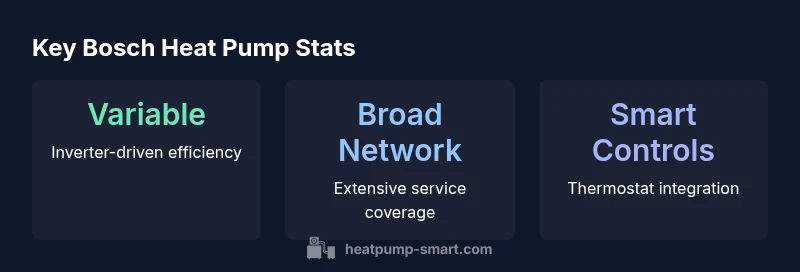
- Broad service network and installer availability
- Good part-load efficiency with inverter-driven operation
- Solid integration with smart thermostats and controls
- Balanced performance in temperate climates
Disadvantages
- Higher upfront cost than some competitors
- Model-by-model variation requires careful comparison
- Performance can be climate-dependent and installer-dependent
- Not all models excel in extreme cold without supplemental heat
Best for climate-appropriate homes with access to qualified installers and a longer-term energy plan.
Bosch heat pumps offer reliable efficiency and solid comfort when correctly sized and professionally installed. The best fit tends to be homes with temperate to moderate climates and households prioritizing durability and service support. For extreme cold, verify model specifics and consider backup heat options.
Your Questions Answered
Is Bosch heat pump good for cold climates?
Bosch offers several models designed for colder conditions, but performance still depends on the specific unit and system sizing. In very cold climates, check the model’s cold-weather performance data and consider supplemental heating options. A professional assessment helps ensure the selected Bosch unit will meet comfort needs during peak cold periods.
Bosch can be solid in cold weather if you choose a cold-weather model and have proper sizing. A professional assessment is key to confirm suitability.
How does Bosch compare to Mitsubishi or Daikin?
Bosch is known for solid build quality and broad service networks, while Mitsubishi and Daikin often push strong efficiency and niche performance in certain climates. The best choice depends on your climate, installation quality, and the specific model’s performance data. A side-by-side comparison of efficiency metrics, noise, and warranty terms helps determine the winner for your home.
Bosch is reliable, and Mitsubishi/Daikin may edge out in certain climates. Compare model specs and service options to decide.
What should I consider when sizing a Bosch system?
Accurate sizing relies on a full home assessment, including insulation, airtightness, and load calculations. Undersized systems struggle to meet demand; oversized units cycle frequently and waste energy. Hire a qualified installer who uses standard calculation methods and tests the system after commissioning to verify expected performance.
Get a professional load calculation and a proper commissioning test to ensure correct sizing.
What maintenance is required for Bosch heat pumps?
Regular maintenance includes filter changes, coil cleaning, and annual inspections. Keep outdoor units clear of debris and ensure proper clearance for airflow. A preventive maintenance plan helps sustain efficiency and can extend system life.
Change filters regularly, clean coils, and schedule annual inspections for best results.
Are Bosch heat pumps noisy?
Noise depends on model and installation. Bosch units are designed with noise reduction in mind, but correct mounting, spacing, and duct design affect perceived sound. If quiet operation is a priority, ask about decibel targets for specific models and use vibration isolation under installation.
Most Bosch units are quiet when properly installed, but check model specs and install quality.
Do Bosch heat pumps qualify for energy incentives?
Many regions offer incentives for high-efficiency heat pumps, including Bosch models. Eligibility varies by location and model, so consult local utility programs and incentive databases. A professional installer can help document required efficiency ratings and compliance for rebates.
Check local programs and let your installer guide you through the rebate process.
Top Takeaways
- Choose model by climate and load calculations
- Invest in professional sizing and commissioning
- Expect strong warranty and service coverage
- Factor upfront cost against long-term energy savings
- Pair with smart controls for best results