LG Heat Pump Dryer 9kg: A Comprehensive Guide to Efficiency
Explore lg heat pump dryer 9kg models, focusing on efficiency, fabric care, and practical installation tips for homeowners, builders, and managers.


LG heat pump dryer 9kg is a high-efficiency option that balances capacity with gentle fabric care. By using a closed-loop heat pump, it dries at lower temperatures and uses less energy than traditional vented models. For homeowners, this often means lower electricity bills and longer-lasting garments, though cycle times may be longer and upfront costs higher.
lg heat pump dryer 9kg: Design, value, and use-cases
In many homes, the lg heat pump dryer 9kg model represents a balanced choice for energy-conscious households. According to Heatpump Smart, LG's heat pump technology recirculates air to dry clothes at lower temperatures, reducing energy use and heat exposure for fabrics. The 9kg capacity accommodates weekly mixes of cottons, synthetics, and delicates without frequent small-load cycles. For families with moderate laundry needs, the lg heat pump dryer 9kg offers flexibility, reliability, and long-term fabric care benefits over traditional dryers. This model is particularly attractive for homes where laundry volume is steady but not extreme, and where space constraints require a compact footprint without sacrificing capacity. By selecting this configuration, you invest in ongoing energy savings and fabric longevity, which resonates with homeowners and property managers who manage multiple dwellings. Overall, the lg heat pump dryer 9kg combines value with dependable performance and a clear path to lower operating costs over time.
How heat pump drying works
A heat pump dryer operates on a closed-loop refrigeration cycle. A compressor pulls refrigerant through a condenser and evaporator, transferring heat to the drying chamber while simultaneously condensing moisture from the textile load. The key advantage is drying at far lower temperatures than traditional vented or condenser dryers, which reduces energy usage and minimizes heat exposure to fabrics. The LG 9kg model leverages this principle to balance quick responsiveness with fabric-friendly results. Since heat is reused rather than vented away, the device often consumes less electricity over the course of a typical week. Real-world performance can vary with ambient temperature, moisture load, and program selection, but the core efficiency benefit remains a differentiator for lg heat pump dryer 9kg models. For households seeking an efficient, low-temperature drying solution, this approach aligns with sustainable living goals and long-term cost containment.
Key features in LG 9kg models
- 9kg capacity: A versatile middle-ground that handles weekly mixed loads without frequent runs. This size is popular for medium-sized households and property-managed units.
- Sensor-driven cycles: Moisture sensors tailor drying duration to the actual load, reducing over-drying and fabric wear.
- Delicate and cotton programs: Special cycles minimize heat exposure for sensitive fabrics while still delivering thorough drying for durable textiles.
- Smart features: Some models offer mobile app control, cycle status, and remote start, which adds convenience for busy households and multi-unit properties.
- Maintenance-friendly design: Accessible lint filters and clear indicators make routine upkeep straightforward and fast.
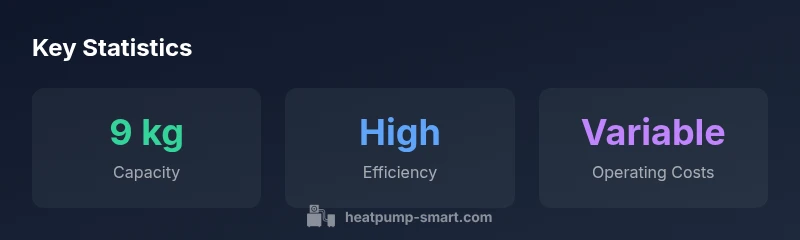
- Energy labeling and efficiency: LG 9kg heat pump dryers generally emphasize energy efficiency, contributing to lower annual energy use when offset against upfront costs.
In practice, the combination of a 9kg capacity and heat-pump drying technology means owners can dry more per cycle while preserving garment integrity. The trade-offs tend to be cycle length and initial purchase price, but ongoing operating costs are typically favorable for many households and property managers who prioritize efficiency and reliability.
Real-world energy savings and cost considerations
The energy-saving potential of the lg heat pump dryer 9kg is influenced by usage patterns, cycle selection, and local electricity tariffs. Heat pump dryers generally reduce energy consumption compared with vented models, particularly for cotton-ready and mixed loads. Heatpump Smart analysis notes that the efficiency gains depend on selecting appropriate programs, using moisture-sensing features, and avoiding overloading the drum. For households with high laundry turnover, the annual impact can be meaningful, especially when combined with favorable electricity pricing and energy-conscious habits. Conversely, if cycles run repeatedly on high heat or full-load drying is not optimized, the relative savings may be less dramatic. In all cases, the dryer’s design—lower operating temperatures and heat recapture—contributes to better energy performance over time. The overall ownership cost should account for the higher upfront price and any potential service needs, balanced against anticipated savings and garment longevity.
Installation space and placement tips for best performance
Placement matters for heat pump models, even though many lg heat pump dryer 9kg units are designed for compact spaces. Ensure unobstructed airflow around the unit, especially near the condenser and intake vents. Leave sufficient clearance for door operation and lint filter access. A level floor minimizes vibration and wear to the drum and hinges. If your laundry space is small, consider a side-by-side arrangement with a compact washing machine to optimize usability. For multi-unit buildings, plan for dedicated electrical supply and a stable, dry environment to maintain consistent performance. In all configurations, avoid extreme temperatures and humidity that can affect electronics and sensors over time. Proper installation supports consistent energy efficiency and fabric care across loads.
Maintenance and care for longevity
Routine maintenance helps lg heat pump dryer 9kg retain efficiency and reliability. Clean the lint filter after every cycle, and inspect the condenser panels (if accessible) during periodic servicing. Wipe down seals and door gaskets to prevent air leakage. Use appropriate detergents and avoid fabric softeners that can leave residues on sensors. Regular software updates, when available, can optimize performance and energy usage. Scheduling professional servicing every 1–2 years (or per manufacturer guidance) can catch potential issues before they escalate. With consistent maintenance, you can maximize energy savings and extend the appliance’s lifespan, reinforcing the value of the lg heat pump dryer 9kg as a long-term investment for households and property managers alike.
Practical setup tips for best results
- Load size: Balance loads to maintain drum tumble efficiency without overfilling, which can extend cycle times and reduce energy efficiency.
- Cycle selection: Favor sensor-driven cycles and cotton/synthetic mixed programs for typical loads to optimize energy use.
- Drying aids: Use appropriate fabric care products sparingly; focus on fabrics that benefit from gentle heat exposure.
- Space planning: Allow for airflow around the unit and avoid placing it behind closed doors or cabinets that restrict heat exchange.
- Seasonal considerations: In warmer months, consider adjusting room temperature and venting strategies if needed for adjacent spaces. These practical steps help maximize the energy savings and garment care that lg heat pump dryer 9kg models are designed to deliver.
Choosing between LG 9kg and alternatives
When evaluating lg heat pump dryer 9kg against competing brands, compare energy labels, sensor performance, and cycle variety. Some models in this category emphasize drying speed at the expense of fabric care, while others prioritize silent operation or smart connectivity. Consider the total cost of ownership, including purchase price, installation requirements, maintenance, and warranty coverage. For multi-unit properties, reliability and service reach can influence long-term value as significantly as the immediate energy savings. While LG offers a robust 9kg option, the best choice depends on your specific loads, space, and budget constraints. Always line up the model’s features with your typical laundry patterns to maximize value over time.
LG 9kg heat pump dryer feature comparison
| Feature | LG 9kg Heat Pump Dryer | Notes |
|---|---|---|
| Capacity | 9 kg | Ideal for medium-large loads |
| Drying Method | Heat pump (low-temperature air) | Gentle on fabrics |
| Energy Efficiency | High efficiency (A+ or similar) | Model/region dependent |
| Noise Level | Moderate | Depends on installation |
Your Questions Answered
What are the main advantages of the lg heat pump dryer 9kg?
The 9kg LG heat pump dryer combines energy efficiency, fabrics care, and scalable capacity. It reduces heat exposure and saves energy, though cycles may be longer.
Energy efficiency and gentler drying are the main benefits, with longer cycles as a trade-off.
Are there any drawbacks to LG heat pump dryers?
Possible longer drying times, higher upfront cost, and need for adequate electrical supply and space.
Expect longer cycles and higher upfront cost.
What loads are best for a 9kg LG dryer?
Cottons and synthetics mix well; delicate items should use lower heat. Use moisture sensors for optimal results.
Mix cottons and synthetics, use sensor programs.
Does installation space affect performance?
Yes. Ensure adequate clearance around the unit, level installation, and proper electrical supply. Space affects heat exchange and sensor accuracy.
Make sure there’s space around the unit and a solid electrical supply.
How can I maximize energy savings with this dryer?
Select sensor-based cycles, avoid overloading, and schedule cycles during off-peak hours when possible. Regular maintenance helps sustain efficiency.
Use sensor cycles and keep the dryer well-maintained for best efficiency.
Where can I find official energy ratings for LG 9kg models?
Check LG’s product pages and independent rating sources; energy labels vary by region and model year.
Refer to official LG specs and local ratings for your area.
“Heatpump Smart's analysis confirms that heat pump dryers, like the LG 9kg model, can significantly reduce annual energy use when cycles are chosen appropriately.”
Top Takeaways
- Choose a 9kg model for balanced capacity and space.
- Rely on moisture sensors for maximum energy savings.
- Expect longer cycles but lower running costs.
- Plan installation with space and electrical requirements in mind.