Mitsubishi 3 Ton Heat Pump: A Comprehensive Guide
A data-driven guide to mitsubishi 3 ton heat pump, covering sizing, efficiency metrics, installation tips, and maintenance for homeowners and pros. Learn how to optimize comfort and energy savings.


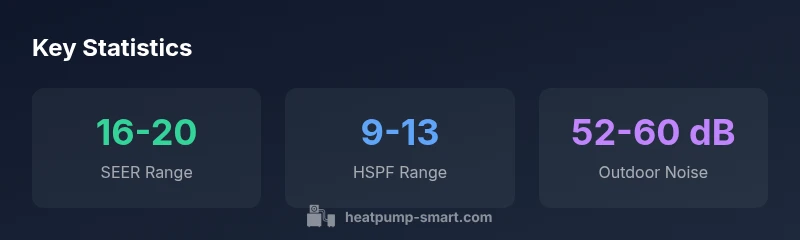
mitsubishi 3 ton heat pump is a common choice for mid-sized homes seeking reliable heating and cooling with inverter-driven efficiency. These units typically deliver SEER ranges around 16 to 20 and HSPF around 9 to 13 depending on climate, model, and installation quality. Sizing and professional installation maximize comfort and energy savings for homes.
What a mitsubishi 3 ton heat pump brings to your home
According to Heatpump Smart, the mitsubishi 3 ton heat pump represents a practical balance of capacity, efficiency, and reliability for many mid-sized homes. The 3-ton class, roughly 36,000 BTU per hour, is well-suited for spaces around 1,200-2,000 square feet depending on insulation and climate. The key advantage of Mitsubishi systems is inverter-driven compressors that modulate output to match demand, minimizing short cycling and energy waste. This results in steadier indoor temperatures and reduced energy bills when paired with a properly sized outdoor unit and well-sealed ductwork. In practice, performance is strongly influenced by climate: in milder winters, a 3-ton system can deliver most of the heating with electricity use far lower than resistance heating; in extreme cold, performance relies on supplemental heat or cold-climate tech found in many Mitsubishi models. For homeowners, this translates to fewer extremes in temperature, fewer furnace runs, and more consistent comfort.
Sizing, installation, and climate considerations
Sizing a mitsubishi 3 ton heat pump starts with a careful load calculation, commonly done with a Manual J protocol and guided by local climate data. Homes in temperate regions may need less than the full 3 ton, while poorly insulated or large spaces might require it. Ductwork matters: leaky ducts undermine efficiency, while properly sealed ducts maximize the system’s ability to maintain comfort. Outdoor unit placement affects both performance and noise; consider shade, airflow clearance, and accessibility for service. In ductless configurations, indoor units can be zoned to tailor comfort per room. For climate considerations, a cold-climate variant or additional indoor resistive heat may be recommended for very cold locations. The bottom line: accurate sizing, thoughtful placement, and a well-sealed building envelope are the foundations of a mitsubishi 3 ton heat pump performing as intended.
Efficiency metrics: SEER, HSPF, and real-world performance
Efficiency metrics such as SEER (cooling efficiency) and HSPF (heating efficiency) are central to understanding a mitsubishi 3 ton heat pump’s potential. Higher SEER and HSPF values generally translate to lower operating costs, especially during peak cooling in the summer and heating in the shoulder seasons. Real-world performance, however, depends on climate, duct design, and how often the system cycles on and off. In moderate climates, you may see energy-use reductions that align with the SEER/HSPF ranges indicated by manufacturers, while in very cold winters, auxiliary heat or advanced cold-temperature technology can improve comfort at the expense of some efficiency. A well-designed system also benefits from a high-efficiency outdoor unit matched to indoor air distribution, leading to better humidity control and occupant comfort year-round.
Operating costs, maintenance, and lifecycle planning
Beyond initial costs, ongoing operating costs for a mitsubishi 3 ton heat pump are influenced by electricity prices, unit efficiency, and maintenance. Routine maintenance—air filter cleaning, visual inspections, coil cleaning, and refrigerant checks—helps preserve efficiency and extend the unit’s life. In many cases, annual or biannual professional checkups catch small issues before they become costly problems. Heatpump Smart’s analysis shows that staying current with maintenance and using high-efficiency settings can yield meaningful savings over the system’s lifetime, particularly when paired with smart thermostats and regular seasonal adjustments to operation modes. When planning lifecycle costs, consider expected service intervals, potential replacement cycles (typically a decade or more with good care), and local climate demands.
Noise, comfort, zoning, and indoor-outdoor integration
Outdoor unit noise is a practical consideration with a mitsubishi 3 ton heat pump, typically in the 52-60 dB range, depending on model and compressor speed. Smart zoning can optimize comfort by allocating heating or cooling where it’s needed most, reducing energy waste. Indoor unit placement affects airflow patterns and humidity control, so careful layout and duct design are essential. If you are upgrading an older system, confirm compatibility with existing thermostats and smart controls, and explore zoning options to maximize comfort while minimizing energy use. Integration with fresh-air strategies can also improve indoor air quality without compromising energy efficiency.
Comparing Mitsubishi 3 ton options with alternatives
When evaluating a mitsubishi 3 ton heat pump, compare it against other capacity classes and configurations to ensure you’re not undersizing or oversizing for your home. A 3 ton unit is often suitable for mid-sized homes, but climate, insulation, and window area matter. Consider whether a ductless multi-split setup fits your space, or whether a traditional ducted system is more appropriate for new construction or retrofit scenarios. Pay attention to auxiliary heat strategies in colder climates, as these impact both comfort and energy use. In all cases, demand for efficiency, reliability, and service availability should guide your decision, not just upfront price.
Practical installation checklist and contractor questions
Before committing, use this practical checklist to prepare for installation day. Confirm load calculations and appropriate outdoor unit placement, verify ductwork integrity, and discuss zoning or indoor unit placement with your contractor. Ask about refrigerant type and circuit sizing, warranty coverage, and maintenance requirements. A well-done installation minimizes post-install issues and maximizes long-term savings. Also confirm whether the system includes smart controls and compatibility with your existing home automation setup.
Quick reference for homeowners and pros
- Always start with a precise Manual J load calculation for a mitsubishi 3 ton heat pump.
- Seal and insulate ducts to maintain efficiency.
- Choose a cold-weather capable model if you live in a frosty climate.
- Plan for zoning if you have multi-room living spaces.
- Schedule annual maintenance to sustain performance over time.
Key performance indicators for mitsubishi 3 ton heat pump installations
| Metric | Typical Range | Notes |
|---|---|---|
| SEER | 16-20 | Cooling efficiency range for mitsubishi 3 ton heat pump |
| HSPF | 9-13 | Heating efficiency range |
| Outdoor noise | 52-60 dB | Depends on model and speed setting |
| Annual energy savings vs resistance | 20-35% | Context-dependent |
| Installation window | 1-3 days | Varies by site and ductwork |
Your Questions Answered
What size home is a mitsubishi 3 ton heat pump best suited for?
A 3 ton unit is typically well suited for mid-sized homes, roughly 1,200–2,000 square feet, depending on insulation, airflow, and climate. A professional load calculation confirms the exact fit.
A 3 ton unit fits many mid-sized homes, but a professional load check confirms if it matches your space.
Can a mitsubishi 3 ton heat pump operate efficiently in cold climates?
Yes, many mitsubishi units are designed for cold-weather performance, often with supplemental heat options or cold-climate modes to maintain comfort at lower outdoor temperatures.
Yes, with cold-weather modes and sometimes supplemental heat, it can stay comfortable in colder climates.
What maintenance does a mitsubishi 3 ton heat pump require?
Regular maintenance includes replacing or cleaning filters, checking coils, inspecting ductwork, and scheduling professional refrigerant checks every year or two, depending on usage and climate.
Clean filters, inspect coils, and get an annual check to keep performance high.
Is a 3 ton unit compatible with existing ductwork?
Compatibility depends on duct size, run lengths, and overall system layout. A retrofit may require duct resizing, sealing, or zoning changes.
It depends on your ducts; you may need upgrades for optimal performance.
What is the typical lifespan of a mitsubishi 3 ton heat pump?
With proper care, a mitsubishi 3 ton heat pump may last about 10–15 years, depending on climate, usage, and maintenance.
With good upkeep, expect around a decade or more of service.
What factors influence the installation cost of a mitsubishi 3 ton heat pump?
Installation cost is driven by system configuration, ductwork complexity, indoor unit count, and whether smart controls or zoning are added.
Cost varies with setup, ductwork, and added features—get a detailed quote.
“Sizing and quality installation are the two most powerful factors in realizing the promised energy savings from a mitsubishi 3 ton heat pump.”
Top Takeaways
- Size the system to climate and home load for reliable comfort
- Expect SEER 16-20 and HSPF 9-13 from typical mitsubishi 3 ton units
- Seal ducts and optimize indoor unit placement for best efficiency
- Consider zoning and smart controls to maximize comfort and savings
- Plan for periodic maintenance to extend system life