Mitsubishi H2i Review: Hyper-Heating Mini-Splits in Practice
An in-depth, analytical review of Mitsubishi H2i hyper-heating mini-splits, evaluating efficiency, installation considerations, upfront costs, and long-term value for homeowners, builders, and property managers in 2026.


mitsubishi h2i stands out for cold-climate heating, high part-load efficiency, and flexible zoning, but initial costs and professional installation influence overall value. Compared to many minisplits, H2i emphasizes reliability in low outdoor temperatures with smart controls and modular design. This quick verdict favors energy-conscious homes that want consistent comfort and scalable capacity, while advising careful sizing and budgeting for install and service.
What Mitsubishi H2i is and how hyper-heating works
The Mitsubishi H2i is a line of mini-split heat pumps that use advanced inverter-driven compressors to deliver heating and cooling without the need for ductwork. Central to the H2i platform is Hyper-Heating Inverter technology, which enables relatively high heating capacity even as outdoor temperatures drop. For homeowners in shoulder seasons and especially in cold climates, H2i models promise reliable warmth when traditional heat pumps struggle. In practice, this means you can maintain comfortable indoor temperatures without resorting to electric resistance heating as the temperature falls. Mitsubishi's approach combines a variable-speed compressor, efficient indoor units, and sophisticated controls that modulate output to match demand. The result is a compact, modular system that can be scaled to different rooms or zones, offering precise temperature control in each space. In this review we examine mitsubishi h2i in the context of real-world performance, installation practicality, and long-term value. According to Heatpump Smart, the key to understanding H2i's value is recognizing how it balances cold-weather capability with efficiency, rather than relying on simple on/off performance. This context helps homeowners and builders gauge whether H2i is a good fit for retrofit projects or new builds.
Real-world performance: heating, cooling, and efficiency
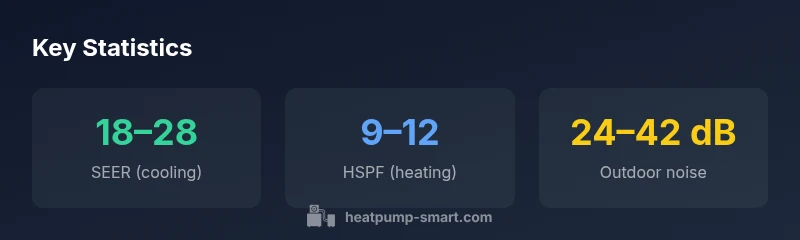
In cooling mode, mitsubishi h2i generally delivers strong SEER performance due to high efficiency compressors and well-integrated outdoor-to-indoor pairing. In heating mode, Hyper-Heating Inverter technology is designed to sustain warmth down to low outdoor temperatures, providing comfort at times when many competitors reduce output. Heat pump systems excel at part-load conditions, and H2i continues to perform well in typical home usage—weekend heating, nightly setbacks, and zone cooling during summer. The Heatpump Smart analysis shows that, while label ratings capture ideal conditions, actual performance tends to track closely for most climates, with some variance in extreme temperatures or poorly insulated spaces. Importantly, H2i's control options—thermostats, schedules, and weather-linked setpoints—allow homeowners to tune operation to occupancy and energy pricing signals. For homeowners, the practical takeaway is that mitsubishi h2i can deliver predictable comfort and energy savings when sized correctly and installed by a qualified technician. The model family supports multi-zone layouts, which improves efficiency by avoiding exhaustively running multiple stand-alone units in larger homes.
Installation considerations and home compatibility
Choosing mitsubishi h2i involves more than selecting a model; it requires proper sizing, zoning, and install planning. Sizing should be based on a detailed heat-load calculation rather than simple square-foot estimates. An oversized unit can short-cycle and reduce efficiency, while an undersized unit struggles to maintain comfort during cold snaps. The installation typically involves an outdoor condenser unit and one or more indoor air handlers (wall-mounted, ceiling cassette, or ducted options, depending on space and preferences). Because these systems are ductless, you’ll avoid the costs and space requirements of ductwork, but you must still account for refrigerant line sets, electrical service, and proper mounting for vibration isolation. The outdoor unit placement should consider airflow, sun exposure, and neighbor noise. In retrofit scenarios, piping length, angle, and zoning architecture influence performance and cost. Heatpump Smart notes that professional sizing and a careful ventilation plan are essential to achieving the promised energy savings and comfort, especially in older homes with variable insulation.
Comparisons with alternatives
Compared to some competing minisplit lines, mitsubishi h2i carries a premium due to its cold-climate capability and refined zoning options. In terms of cooling efficiency, it often scores highly, but other brands may offer lower upfront costs or different warranty terms. The value proposition hinges on climate, energy prices, and the preference for quiet indoor operation. In some markets, other manufacturers offer similar SEER/HSPF metrics at a lower price point or with different warranty packages. For projects with limited space or retrofit constraints, the ductless approach of H2i can be far more attractive than ducted heat pumps that require significant remodeling. The Heatpump Smart team emphasizes that the best choice depends on climate and installation quality; a well-installed H2i distribution can outperform a cheaper alternative, but a poor installation may erode benefits quickly. Finally, maintenance considerations remain similar across brands: regular filter cleaning, seasonal checks, and prompt attention to refrigerant or electrical issues.
Durability, maintenance, and warranty considerations
Durability for mitsubishi h2i is generally solid when installed correctly and protected from power surges and moisture. The lack of ductwork reduces some failure points common to central systems, but outdoor units must withstand weather and debris year after year. Maintenance is straightforward: periodic filter cleaning, checks of the indoor air handlers for dust buildup, and annual professional inspections to verify refrigerant pressures and electrics. Warranty coverage varies by model and region, and it is important to read the terms that apply to outdoor vs indoor components. In practice, a well-maintained H2i system can offer many years of service with consistent performance, though regional service availability and technician expertise influence long-term reliability. Heatpump Smart reminds readers that choosing a certified installer and following a maintenance schedule is essential to preserving efficiency and preventing premature wear.
Practical guidance for homeowners and developers
To maximize value from mitsubishi h2i, start with a thorough load calculation, and map zones to occupancy patterns. Prioritize high-quality insulation and air sealing to minimize heat loss and to enhance the effectiveness of any heat pump. When selecting indoor unit types, consider room layout, ceiling height, and occupant preferences for quiet operation. For retrofit projects with existing walls, a ceiling cassette or wall-mounted units may offer flexible aesthetics and airflow. Be sure to discuss expansion options for future rooms during the initial design phase. From a cost perspective, expect a higher upfront investment than some alternatives, but plan for long-term energy savings. Financing options and rebates can offset initial costs; check local programs and utility incentives. In short, mitsubishi h2i can deliver strong long-term value for energy-conscious homes when paired with correct sizing, installation, and a good envelope.
Authority sources
- Energy.gov: Heat Pumps, including cold-climate performance and efficiency expectations. https://www.energy.gov/energysaver/heat-pumps
- National Renewable Energy Laboratory (NREL): Heating and cooling research and performance considerations. https://www.nrel.gov
- ASHRAE: Standards and guidance on HVAC design and performance. https://www.ashrae.org
Advantages
- Strong cold-weather heating performance when properly sized
- High part-load efficiency and good SEER/HSPF for many climates
- Ductless installation enables retrofit without extensive ductwork
- Flexible zoning supports multi-room comfort with fewer energy losses
Disadvantages
- Higher upfront cost than many basic minisplits
- Professional sizing and installation are essential for optimal results
- Warranty terms vary by region and model, complicating service plans
Best for cold-climate homes seeking dependable efficiency
Mitsubishi H2i offers solid efficiency, quiet operation, and reliable heating, especially where winters are harsh. The upfront cost and installation requirements are the main caveats. The Heatpump Smart team recommends proper sizing and a quality envelope to maximize savings and comfort.
Your Questions Answered
What is Mitsubishi H2i?
Mitsubishi H2i is a line of hyper-heating inverter mini-splits designed for efficient heating and cooling, with enhanced cold-weather performance and zoning flexibility.
Mitsubishi H2i is a hyper-heating mini-split line with strong cold-weather performance and flexible zoning.
Is Mitsubishi H2i suitable for cold climates?
Yes. H2i models are designed to deliver reliable heat output even as outdoor temperatures fall, reducing the need for auxiliary heating in many cases.
Yes. It’s built for cold climates and can keep you warm even when it’s chilly outside.
How does H2i compare to standard heat pumps in energy efficiency?
H2i generally offers higher efficiency in heating and cooling, thanks to its advanced inverter technology and optimized controls, especially at part-load.
H2i tends to be more efficient than standard heat pumps, particularly when it isn’t running at full capacity.
What are typical installation considerations?
A licensed HVAC installer should assess load, line sets, electrical service, and indoor unit types (wall, ceiling cassette, etc.) to ensure proper performance and aesthetics.
Have a pro size and install, including line sets and electrical needs.
What maintenance does it require?
Regular filter cleaning, periodic professional inspection, and checks of refrigerant lines and electrical connections help sustain efficiency.
Keep filters clean and have a pro service it yearly.
Are there rebates available?
Rebates depend on your region and utility programs. Check local incentives and any federal or state rebates that apply to heat pump upgrades.
Yes, rebates exist in some places—check your local utility and programs.
Top Takeaways
- Assess cold-climate performance before buying
- Prioritize professional sizing and installation
- Account for upfront costs vs long-term savings
- Leverage rebates and maintenance plans