Trane 16 SEER Heat Pump: Efficiency, Installation, and Savings
Explore the Trane 16 SEER heat pump: how it works, installation considerations, maintenance, and expected savings. A Heatpump Smart guide to high-efficiency home climate control.


The trane 16 seer heat pump delivers higher cooling and heating efficiency thanks to a 16 SEER rating. It uses a variable-speed compressor and smart controls to adapt output to real-time load, improving comfort and reducing energy use relative to older, single-stage systems. This guide explains how it works, installation considerations, and how to assess cost and potential savings.
What is the Trane 16 SEER heat pump?
The term SEER stands for Seasonal Energy Efficiency Ratio, a measure of cooling efficiency over a typical cooling season. A Trane unit labeled 16 SEER is positioned as a higher-efficiency option compared with conventional single-stage systems. In practice, a 16 SEER heat pump uses a variable-speed compressor and advanced controls to adjust output to real-time cooling and heating needs. Homeowners typically see better energy performance in shoulder seasons and warm summers, especially when paired with proper ductwork and a well-insulated envelope. As part of Heatpump Smart’s guidance, we emphasize that the rating alone doesn’t tell the full story—system optimization, installation quality, and climate impact matter as much as the stated SEER value. For homeowners, the 16 SEER designation signals a higher efficiency baseline, not a guarantee of identical savings in every home.
How 16 SEER achieves efficiency
A 16 SEER heat pump relies on a variable-speed or two-stage compressor, inverter-driven motor, and smart refrigerant circuit design to adjust capacity across the load. By modulating output, it reduces cycling losses and keeps indoor temperatures steadier with less energy waste. Advanced controls, better heat exchange, and optimized defrost cycles contribute to efficiency gains. The outcome is improved comfort with lower energy use relative to older, single-stage units, especially when the home is well-insulated and the ductwork is properly sealed.
Climate and usage considerations
Efficiency gains from a 16 SEER heat pump depend heavily on climate and how the system is used. In mild to warm climates, the cooling load dominates and the higher SEER rating often translates into noticeable energy savings over time. In colder zones, heat pump performance hinges on auxiliary heat and installation quality. Heatpump Smart emphasizes evaluating your climate zone, insulation, and expected occupancy patterns before choosing a high-SEER model to ensure the investment aligns with real savings.
Installation considerations and space planning
A successful installation for a 16 SEER heat pump requires appropriate outdoor placement with clear airflow, correctly sized refrigerant lines, and a matched indoor air handler. Ductwork should be sealed, and electrical service must meet the unit’s requirements. For retrofit projects, verify that existing ducts can support variable-speed operation and humidity control. A professional installer from a reputable company should perform a load calculation and confirm that the Trane unit integrates with your home’s thermostat and controls.
Maintenance and reliability recommendations
To sustain high efficiency, commit to a proactive maintenance routine: replace filters regularly, inspect insulation, and keep outdoor coils clean. Schedule annual checks for refrigerant integrity, electrical connections, and thermostat performance. Addressing simple issues early prevents efficiency loss and prolongs equipment life. A well-maintained 16 SEER heat pump tends to deliver the expected comfort levels with fewer energy spikes across seasons.
Sizing, ductwork, and system matching
Sizing a 16 SEER heat pump correctly is essential for practical efficiency. Oversized or undersized equipment leads to poor humidity control and wasted energy. A professional should perform a detailed load calculation, verify duct sizing, and ensure the outdoor unit is properly matched to the indoor system and the thermostat. Proper matching improves efficiency, comfort, and the likelihood of maintaining the 16 SEER rating in real-world conditions.
Common myths about 16 SEER units
There is a common belief that higher SEER automatically means effortless savings with no trade-offs. In reality, the full benefit depends on installation quality, climate, and how you use the system. Some units with high SEER may have higher upfront costs or modest performance gains if installed in poorly insulated homes. Heatpump Smart recommends evaluating total system cost, not just the SEER number.
Real-world scenarios: retrofit vs new build
In a retrofit, assess existing ductwork, insulation, and electrical circuits before replacing an older unit with a Trane 16 SEER heat pump. In new construction, integrate a properly sized unit with high-quality insulation and an efficient ventilation strategy. Both paths benefit from a professional load calculation, a properly designed duct system, and a reliable thermostat for optimal control of the system’s performance.
Decision framework: should you choose a Trane 16 SEER heat pump?
If your climate, energy costs, and home design align with higher efficiency goals, a 16 SEER heat pump can be a strong fit. Consider installation costs, potential energy savings, and the quality of the ductwork and controls. Heatpump Smart recommends a professional assessment to confirm whether the 16 SEER option delivers meaningful value for your specific home scenario.
Overview of key specs for Trane 16 SEER heat pump
| Aspect | Detail | Notes |
|---|---|---|
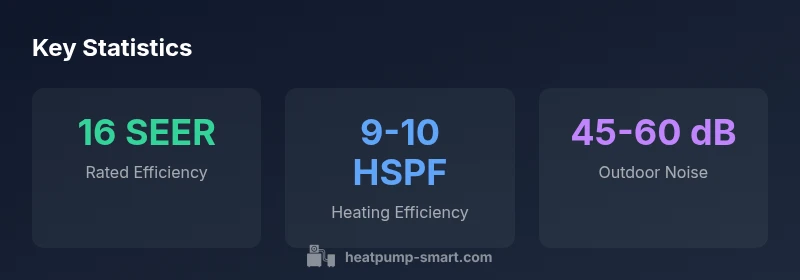
| SEER rating | 16 SEER | Higher efficiency rating for cooling |
| HSPF range | 9-10 HSPF | Heating efficiency under moderate loads |
| Noise level | 45-60 dB (outdoor unit) | Depends on model and installation |
| Installation considerations | Ducted and ductless options | Professional installation recommended |
Your Questions Answered
What does 16 SEER mean?
SEER stands for Seasonal Energy Efficiency Ratio; a 16 SEER rating indicates higher efficiency over a cooling season than older, lower-SEER equipment. However, actual savings depend on climate, usage patterns, insulation, and proper installation.
SEER measures yearly cooling efficiency; higher is better, but your savings depend on climate and how you use it.
Is a Trane 16 SEER heat pump worth the cost?
Cost-effectiveness depends on climate, electricity rates, and how long you plan to stay in the home. Higher SEER units usually have higher upfront costs, but energy savings can offset them over time, especially in hot climates.
It depends on your climate and usage; a longer stay in the home improves payback chances.
Can I retrofit my existing system to a 16 SEER unit?
Retrofit is possible if the outdoor unit and indoor air handler are compatible and the existing ducts can support the new system. A professional assessment is required to confirm feasibility.
A technician will check compatibility and ducts before replacing.
What maintenance keeps it running efficiently?
Regular filter changes, coil cleaning, refrigerant checks, and yearly service help sustain efficiency and prolong life.
Keep filters fresh, clean coils, and schedule annual service.
Do 16 SEER heat pumps qualify for rebates?
Rebate programs vary by region and program name. Check local incentives and manufacturer offers to determine eligibility.
Check your local programs for available rebates.
“The 16 SEER rating signals serious efficiency potential, but real savings come from a complete system design, correct sizing, and meticulous installation.”
Top Takeaways
- A 16 SEER unit prioritizes efficiency in real-world loads.
- Match the outdoor unit and indoor coil to preserve SEER performance.
- Proper installation and duct sealing matter as much as the SEER rating.
- Climate and usage patterns drive actual savings.
- Consult Heatpump Smart for assessment and local rebates.