Convert AC to Heat Pump: A Practical How-To Guide
Learn how to retrofit an existing AC into a functional heat pump system. This expert guide covers feasibility, retrofit paths, installation steps, and energy-saving considerations.


You can convert an existing air conditioning setup into a heat pump by choosing a retrofit path that fits your ductwork, climate, and electrical capacity, upgrading components where needed, and coordinating with a licensed pro. The process involves evaluating your current system, selecting a compatible heat pump type, and ensuring proper controls and permits.
Why convert AC to heat pump?
According to Heatpump Smart, converting an existing central AC to a heat pump is feasible in many homes, provided the duct system and electrical service are able to support the load. The decision hinges on several factors: the climate where you live, how well your home is insulated, the condition and size of your ducts, and the capacity of your electrical panel. A successful conversion can deliver year-round comfort, with heating in winter and cooling in summer, while often improving overall energy efficiency. One of the key benefits emphasized by the Heatpump Smart team is the potential to consolidate equipment and controls, reducing maintenance complexity and improving climate control in a single system. Before proceeding, homeowners should conduct a candid assessment of current performance, including recent utility bills, insulation gaps, and duct leakage. This ensures that the retrofit path chosen aligns with long-term energy goals and budget expectations.
How heat pumps differ from traditional AC
A heat pump provides both cooling and heating by moving heat instead of generating it. In cooling mode, it behaves like a conventional air conditioner, removing heat from indoors and releasing it outside. In heating mode, it extracts heat from the outdoor air (even when it's cold) and transfers it indoors. This fundamental difference means you may need to consider outdoor unit location, refrigerant charge, and defrost cycles. Modern heat pumps often use variable-speed compressors and advanced refrigerants to improve efficiency and comfort, particularly in shoulder seasons. For homeowners upgrading from a simple AC, the switch can yield noticeable gains in comfort and energy use, especially when paired with a compatible smart thermostat and well-sealed ducts. The Heatpump Smart perspective emphasizes ensuring that the new system matches the home’s heating load and existing ducting to avoid comfort gaps.
Feasibility assessment: is your home a good candidate?
Feasibility hinges on several non-negotiables: climate suitability, duct integrity, insulation levels, and electrical capacity. If ducts are leaky or undersized, the system may not perform as expected, even with a high-efficiency heat pump. Heat losses through the building envelope can negate efficiency gains, so sealing and insulating attics, walls, and crawlspaces should accompany any retrofit plan. An electrical panel with enough available amperage or the possibility of a safe upgrade is also essential, since heat pumps demand steady power during peak operation. According to Heatpump Smart analysis, homes with well-sealed ducts and adequate insulation stand to maximize benefits from a retrofit. If your home scores poorly in any area, you may need targeted improvements before or alongside a heat pump installation.
Retrofit paths you can choose
There are a few viable avenues to convert AC to heat pump, depending on your home’s layout and goals. One common path is to replace the outdoor condenser unit with an air-source heat pump designed for existing ductwork, paired with an indoor air handler or coil. This path preserves the current duct network but requires careful refrigerant piping, electrical connections, and controller compatibility. Another option is a hybrid/dual-fuel approach, where a heat pump works in tandem with a furnace or backup heater to maintain comfort during extreme cold. If your ducts are in poor condition, duct sealing, liner upgrades, or even partial duct replacement may be necessary to realize real-world gains. Heatpump Smart recommends engaging a licensed HVAC professional to evaluate which retrofit path yields the best balance of cost, performance, and reliability.
Planning steps before you begin
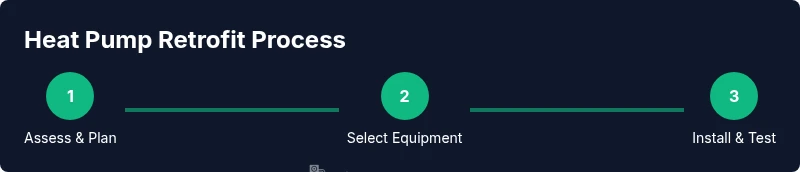
Start with a professional assessment to define system size, efficiency targets, and potential modifications. A qualified contractor should perform load calculations (such as Manual J) to determine the right heat pump capacity for your home. An energy audit can identify envelope improvements that boost overall performance. You’ll also want a plan for permits and codes, especially if electrical upgrades or refrigerant work are involved. Create a written scope that lists ductwork work, outdoor unit placement, indoor unit locations, and thermostat controls. Document any existing warranties to avoid voiding them during retrofit. This planning phase lays the groundwork for a smooth installation and clear post-install expectations.
Installation considerations and contractor roles
Conversion projects require licensed professionals for refrigerant handling, electrical work, and system commissioning. Expect tasks such as disconnecting the old AC, mounting and wiring the outdoor heat pump, installing the indoor coil or air handler, running refrigerant lines, and integrating the thermostat. The contractor should verify refrigerant charge, airflow, and defrost operation during testing. Permitting, inspections, and safety checks are essential, so ensure your contractor coordinates with local authorities. Heatpump Smart highlights the importance of a detailed pre-install checklist and a documented handover for ongoing maintenance. Properly licensed installation protects warranties and ensures the system operates within manufacturer specifications.
Maintenance and performance after conversion
Post-conversion maintenance focuses on keeping coils clean, filters changed, and ductwork sealed. Regular thermostat programming can maximize energy savings, while seasonal checks help catch refrigerant or airflow issues early. Keep an eye on defrost cycles during winter, and ensure outdoor clearances meet manufacturer recommendations. A well-maintained heat pump should deliver consistent comfort with minimal troubleshooting, but periodic professional servicing is still recommended. The Heatpump Smart team suggests scheduling a mid-season inspection after the first year to confirm performance targets and identify any improvements that could further boost efficiency.
Tools & Materials
- Electrical service upgrade (if required)(Assess panel capacity and dedicated circuits for the outdoor unit)
- Thermostat compatible with heat pump(Prefer a smart or programmable model with heat-pump controls)
- Ductwork inspection tools(Duct camera or access ports for leakage checks)
- Multimeter and basic HVAC test tools(Used for electrical checks and continuity tests)
- Refrigerant line set and mounting hardware(Professional installation only; ensures proper seal and insulation)
- Outdoor heat pump condenser(Select a unit compatible with existing ductwork and climate)
- Indoor air handler or coil compatible with heat pump(Ensure proper capacity and air distribution)
- Permits and inspection fees(Local codes may require permits for electrical and refrigerant work)
Steps
Estimated time: several days
- 1
Assess feasibility and goals
Conduct an initial site visit with a licensed technician to review duct health, electrical capacity, and heating/cooling goals. Discuss climate considerations and budget constraints to set realistic expectations.
Tip: Document existing duct conditions and any known cold spots for targeted improvements. - 2
Choose retrofit path
Decide whether to replace the outdoor unit, modify the duct system, or pursue a hybrid approach. Your choice should balance performance with cost and local climate realities.
Tip: Ask about crawlspace or attic access for duct modifications and potential noise considerations. - 3
Prepare electrical and ductwork
Plan any panel upgrades or wiring changes and identify required duct sealing or resizing. Ensure electrical clearances meet manufacturer and code requirements.
Tip: Get written estimates that separate equipment, ductwork, and labor costs. - 4
Install heat pump equipment
Mount outdoor unit, connect refrigerant lines, install indoor coil/air handler, and route wiring. Use manufacturer guidelines for spacing and refrigerant management.
Tip: Verify outdoor unit clearance for airflow and enable proper defrost function. - 5
Wire controls and thermostat
Connect the heat pump to a compatible thermostat and configure system modes. Program settings for cooling, heating, and auxiliary heat as needed.
Tip: Test control sequences to ensure seamless transitions between modes. - 6
Commission and test
Perform refrigerant charge verification, airflow checks, and safety inspections. Confirm compliance with local codes and manufacturer specs.
Tip: Document test results for warranty and service records. - 7
Post-install maintenance plan
Create a maintenance schedule for filters, coil cleaning, and annual checks. Note any recommended adjustments based on performance data.
Tip: Schedule a first-year check with the installer to optimize operation.
Your Questions Answered
Can I convert my existing central AC to a heat pump by myself?
No. Refrigerant work and electrical changes require a licensed HVAC technician to meet safety codes and warranty requirements.
No. This is a job for a licensed HVAC technician to handle refrigerant and electrical work safely.
What are the main differences between a central AC and a heat pump?
A heat pump provides heating by moving heat into the home and cooling by moving heat out, enabling year-round comfort with typically higher efficiency. Central AC only cools.
A heat pump heats and cools by moving heat, while central AC only cools.
Is a heat pump effective in very cold climates?
Many models perform well in cool to moderate cold, but efficiency can drop as outdoor temperatures fall. In very cold regions, a backup heat source may still be needed.
Heat pumps work well in many cool climates, but extremely cold days may require a supplemental heat source.
Will I need to replace my ductwork?
Ducts should be evaluated for leakage and sizing. Repairs or sealing are common to ensure proper airflow and efficiency.
Ducts often need sealing or sizing to maximize efficiency and comfort.
Are there incentives for upgrading to a heat pump?
Incentives vary by location and program. Check local energy programs and utility rebates to understand potential savings.
Incentives vary by location; check local programs to see what you may qualify for.
How do I choose the right size heat pump?
A professional should perform a load calculation to determine the correct size. Oversizing or undersizing can reduce comfort and efficiency.
A licensed professional should calculate the right size for your home to optimize performance.
Watch Video
Top Takeaways
- Plan thoroughly before starting retrofit.
- Duct health and electrical capacity drive success.
- Heat pumps provide year-round comfort with potential energy savings.
- Professional installation protects warranties and ensures proper testing.