How Heat Pumps Cool: A Practical, In‑Depth Guide
Learn how heat pumps cool your home, how the refrigeration cycle works, what affects performance, and practical maintenance tips to maximize efficiency and keep your space comfortable year‑round.


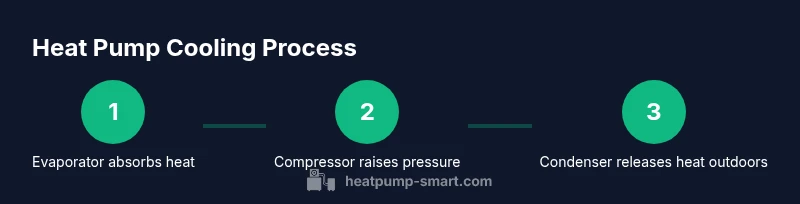
Heat pumps cool by reversing the refrigeration cycle: indoor heat is absorbed at the evaporator, compressed and cooled before releasing it outside, effectively moving heat from your space to the outdoors. For efficient cooling, ensure proper sizing, clear airflow, clean filters, and thermostat cooling mode settings. Understanding this helps diagnose performance issues and optimize comfort.
How heat pumps cool: the basic physics
Heat pumps operate on the same fundamental principle as a traditional air conditioner, but with the key capability to switch between cooling and heating. In cooling mode, the system absorbs heat from indoor air at the evaporator coil, where refrigerant changes from a low-pressure liquid to a low-temperature gas. The compressor then increases the refrigerant’s pressure, turning the gas into a hot, high-pressure state. This hot gas releases heat to the outdoors as it passes through the condenser coil, and the refrigerant expands back to a low-pressure liquid, ready to repeat the cycle. This closed loop transfers heat from the inside to the outside, providing cooling while using electricity efficiently. According to Heatpump Smart, the efficiency of this process hinges on the cycle’s balance, the system’s refrigerant charge, and proper indoor airflow. When these elements are aligned, a heat pump can deliver steady cooling with minimal energy use, avoiding the need for separate conventional air conditioning during hot months.
The refrigeration cycle in detail
At the heart of cooling is the four‑part refrigeration cycle. First, the evaporator absorbs heat from indoor air, causing the refrigerant to boil and become a low‑pressure gas. Next comes compression, where the compressor raises the gas’s pressure and temperature. The hot gas then travels to the condenser, releasing heat to the outdoors and condensing into a high‑pressure liquid. Finally, the throttling device (expansion valve) reduces the liquid’s pressure, cooling it rapidly before it reenters the evaporator. Each stage must be properly balanced; any mischarge or restricted airflow can compromise cooling quality. The cycle is efficient not only because it moves heat, but because it leverages electricity to move heat from warm indoor spaces to cooler outdoor environments, rather than generating cold air directly. Maintaining correct refrigerant levels and clean coils is essential for consistent performance and comfort.
How a heat pump reverses for cooling vs heating
Most heat pumps feature a reversing valve that switches the direction of refrigerant flow. In heating mode, heat is drawn from outdoor air and pumped indoors; in cooling mode, the flow is reversed so indoor heat is removed and expelled outside. This dual capability is why heat pumps can replace separate furnaces and air conditioners in many homes. The reversing valve is controlled by the thermostat or a control board, and proper wiring and timing ensure a seamless transition between modes. If the reversal fails or the valve sticks, you may notice reversed heat flow or intermittent cooling problems. Regular professional checks help prevent valve issues and maintain reliable cooling performance.
System components and their roles
Key components work together to produce cooling: the evaporator coil (where heat is absorbed), the condenser coil (where heat is rejected), the compressor (drives refrigerant through the loop), the expansion valve (controls refrigerant pressure and temperature), and the reversing valve (switches cooling vs heating). Air handling is also crucial: indoor air must pass across the evaporator, and outdoor air must be able to dissipate heat from the condenser. If any part is dirty, blocked, or malfunctioning, cooling efficiency drops. Regular filter changes, coil cleaning, and battery-powered thermostat inspections help maintain smooth operation. By understanding each part’s role, homeowners can identify when to call a technician and what questions to ask about performance issues.
Sizing, placement, and airflow impact on cooling
Proper sizing is fundamental to effective cooling. Oversized systems cool rooms quickly but cycle on and off frequently, leading to humidity problems and comfort fluctuations. Undersized units struggle to reach setpoints, increasing energy use and wear. Placement matters too: ensure outdoor units have at least 2–3 feet of clearance and are free of debris; indoor return ducts should be unobstructed to provide steady airflow. Ductwork should be sealed and insulated to minimize energy loss. Poor airflow, leaky ducts, or blocked vents can dramatically reduce cooling efficiency, even with a high‑efficiency heat pump. A professional load calculation helps determine the right size for your home and climate.
Climate, humidity, and outdoor temps effects on cooling
Humidity levels strongly influence perceived comfort and cooling effectiveness. Heat pumps dehumidify as air passes over the cold evaporator, but very high outdoor humidity or extreme heat can reduce the delta T that the system can achieve. In milder climates, the thermostat may exhibit longer cycles with less dehumidification, while in humid regions you might notice faster humidity removal but longer run times. Weather conditions also affect refrigerant pressure and efficiency; lower outdoor temperatures can reduce cooling capacity if the unit is not properly sized for winter operation. Understanding local climate helps homeowners set realistic expectations and plan for seasonal maintenance.
Efficiency metrics: SEER, EER, and HSPF explained
Efficiency is quantified with metrics such as SEER (seasonal energy efficiency ratio), EER (energy efficiency ratio), and HSPF (heating seasonal performance factor). SEER measures cooling efficiency over a typical cooling season, while EER is a snapshot of peak performance under standardized conditions. HSPF applies to heating efficiency. While higher numbers indicate better efficiency, real-world performance depends on climate, insulation, duct integrity, and operation practices. Heat pump efficiency also ties to the inverter technology, variable-speed compressors, and advanced controls. When shopping or evaluating performance, compare models with high SEER, solid EER, and favorable HSPF ratings alongside installation quality considerations.
Practical setup tips for homeowners
Start with the basics: keep outdoor units clear of leaves and debris, replace filters on schedule, and ensure the thermostat is set to cooling. Use programmable schedules to avoid unnecessary runtime, maintain a consistent indoor setpoint to reduce cycling, and keep windows and doors sealed to minimize heat intrusion. Check the outdoor fan for visible damage and confirm there are no ice patches on the refrigerant lines during operation, which could indicate airflow or refrigerant issues. If the system runs but feels weak, schedule a professional inspection to verify refrigerant charge and coil cleanliness. Small, proactive steps can yield noticeable improvements in comfort and electricity use.
Troubleshooting common cooling issues
When cooling underperforms, start with simple checks: filter condition, thermostat settings, and outdoor unit clearance. Listen for unusual noises or grinding, which could indicate mechanical wear. Look for ice buildup on evaporator or refrigerant lines, a sign of airflow problems or refrigerant issues. If air isn’t flowing properly, inspect ducts for blockages and seal leaks. If temperatures are inconsistent or the system struggles to achieve setpoints, it is wise to seek an HVAC technician. Do not attempt refrigerant work yourself; refrigerant handling requires certified training and equipment. A systematic approach helps identify whether the problem lies with airflow, controls, or the refrigerant circuit, guiding you toward a safe and effective fix.
Tools & Materials
- Phillips head screwdriver(for panel screws and covers)
- Flathead screwdriver(for prying panels (careful))
- Non-contact voltage tester(to verify power is off during inspections)
- Digital multimeter(optional for electrical checks and diagnostics)
- Replacement air filter(match MERV rating to system recommendations)
- Soft brush / microfiber cloth(for dust and debris on coils and fins)
- Vacuum with brush attachment(for coils and vents)
- Owner’s manual(model-specific guidance and warranty info)
- Safety gloves(hand protection during inspections)
Steps
Estimated time: 45-60 minutes
- 1
Verify cooling mode on the thermostat
Set the thermostat to cooling and ensure the target temperature is realistic for the current heat. If the system isn’t switched to cooling, it won’t engage the cooling cycle. Confirm that the thermostat has power and isn’t locked in a different mode (heat or auto).
Tip: If your thermostat is programmable, align it with your daily schedule to avoid unnecessary cooling.” - 2
Inspect and replace the air filter
A clogged filter reduces airflow, forcing the system to work harder and potentially lowering cooling efficiency. Remove the old filter, inspect for dirt, and replace with a filter that matches the correct size and MERV rating.
Tip: Check filters monthly during peak cooling season and replace every 1–3 months as needed. - 3
Check outdoor unit clearance and cleanliness
Clear at least 2–3 feet around the outdoor unit; remove leaves, grass, and debris. A clean condenser coil improves heat rejection and efficiency. Gently vacuum the coil fins if you see dust buildup.
Tip: Do not spray water at high pressure directly into the fins; use a gentle stream to avoid damage. - 4
Check indoor air returns and duct access
Ensure return ducts are unobstructed and that vents aren’t blocked by furniture or rugs. Restricted airflow reduces cooling capacity and increases energy use. If returns are buried in attic or crawl spaces, consider duct cleaning or re‑routing to improve airflow.
Tip: Keep interior doors open in the cooling mode to balance airflow across rooms. - 5
Listen for unusual noises or vibrations
Rattling, grinding, or squealing sounds can indicate loose components or worn bearings. A vibrating unit may point to an unlevel outdoor pad or mounting issues. Early detection prevents costly failures and maintains comfort.
Tip: Note the location and timing of noises to help a technician diagnose the issue. - 6
Measure return vs. supply air temperature
If you have access to a thermometer, compare air temperatures at the return and supply registers. A healthy system often shows a noticeable delta (cool air at the supply) when in cooling mode. An abnormal delta may indicate airflow or refrigerant issues.
Tip: Do not touch moving parts while measuring temperatures for safety. - 7
Inspect refrigerant lines for leaks or signs of damage
Look for oily residue around service valves or insulated lines, which can indicate a leak. Refrigerant handling and repairs require certified technicians and should not be attempted by homeowners.
Tip: If you suspect a leak, turn off the system and call a licensed HVAC pro promptly. - 8
Review thermostat and controls for proper operation
Check fan speed settings, cycle frequencies, and any energy-saving modes. Some thermostats offer a ‘cooling setpoint’ optimization and humidity control that can improve comfort.
Tip: Ensure the thermostat firmware is up to date if applicable. - 9
If issues persist, contact a qualified HVAC technician
Persistent cooling problems deserve professional attention. A licensed tech can verify refrigerant charge, test electrical connections, and assess duct integrity. Prepare system model numbers and recent service history for efficient scheduling.
Tip: Have a recent energy bill handy to discuss performance trends with the tech.
Your Questions Answered
Do heat pumps cool in summer?
Yes. In summer, heat pumps operate in cooling mode by reversing refrigerant flow, absorbing indoor heat and releasing it outdoors. They function like a traditional AC but with the added ability to also heat in winter.
Yes. In summer, a heat pump runs in cooling mode by moving heat from indoors to outdoors, just like an air conditioner but with reversible operation.
Are heat pumps more efficient than air conditioners?
Heat pumps can be more energy-efficient than conventional air conditioners because they move heat instead of generating it, especially in moderate climates. Efficiency depends on proper sizing, installation, and climate conditions.
Heat pumps often outperform traditional ACs in energy efficiency when sized correctly and used in suitable climates.
Why isn’t my heat pump cooling as expected?
Common causes include dirty filters, blocked outdoor unit, refrigerant refrigerant leaks, incorrect thermostat settings, or undersized/oversized equipment. A professional check is recommended if basic steps don’t restore performance.
If cooling drops, check filters and outdoor clearance, then consider a professional if the issue persists.
Can heat pumps dehumidify while cooling?
Yes. As the indoor air passes over the cold evaporator coil, moisture condenses and is removed from the air, helping with humidity control in addition to cooling.
Heat pumps naturally dehumidify as part of the cooling process.
How often should I service my heat pump?
Annual professional maintenance is recommended, with additional checkups if you notice performance changes or unusual noises. Regular filter changes and basic DIY cleanliness also help.
Have a technician inspect it yearly, and change filters regularly.
What does SEER mean for cooling performance?
SEER stands for Seasonal Energy Efficiency Ratio and measures cooling efficiency over a season. Higher SEER values generally indicate lower operating costs, but real-world results depend on installation and usage.
SEER is a rating of cooling efficiency over a season; higher is better, but real-world results vary.
Watch Video
Top Takeaways
- Know heat pumps cool by reversing the refrigeration cycle.
- Keep airflow clear and filters clean for best performance.
- Size, placement, and ductwork dramatically affect cooling efficiency.
- Humidity and climate influence perceived comfort and systems load.
- Regular maintenance prevents most common cooling issues.