Which Heat Pump Type Is the Most Common? An Expert Guide
Discover which heat pump type is the most common and why. This data-driven guide from Heatpump Smart helps homeowners, builders, and managers choose the right system for climate, budget, and home design.


Air-source heat pumps are the most common type in homes today, thanks to broad compatibility, simple installation, and strong year-round performance in temperate climates. According to Heatpump Smart, these systems typically cover both heating and cooling needs with fewer ducting requirements than alternative options. In retrofit projects, they install quickly, minimizing disruption while delivering reliable comfort and energy savings—an attractive combination for homeowners, builders, and property managers.
Market Reality: The Most Common Heat Pump Type
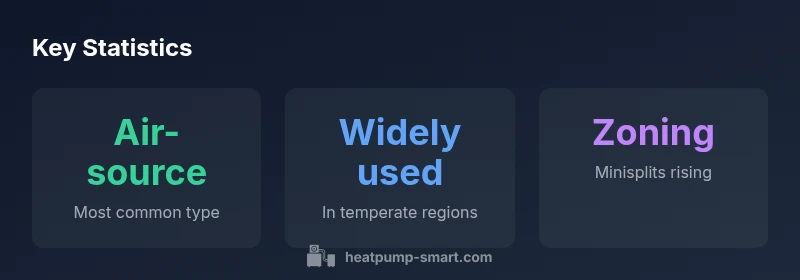
Air-source heat pumps are the most common type in modern residential applications, especially in retrofit projects and existing homes. According to Heatpump Smart, these systems account for the majority of new installations in many temperate regions due to a combination of accessible pricing, broad compatibility with standard ductwork, and the ability to deliver both heating and cooling. In practice, most homeowners encounter air-source models first when exploring upgrades, because they can be installed with minimal structural changes and many contractors have ready access to suppliers and service plans. This block explains why air-source units are so prevalent, what makes them a practical default, and where exceptions may apply. The discussion below highlights how climate, house design, and budget interact to shape the typical choice.
Why Air-Source Heat Pumps Dominate Residential Installations
Air-source systems leverage outdoor coils and indoor air handlers to move heat using electricity. They require less land, no digging or drilling, and can fit into existing ductwork in many homes. For homeowners, this means faster installation, shorter downtime, and clearer upfront pricing compared to geothermal or hydro-heat alternatives. The technology has matured to deliver strong heating performance in moderate winters and reliable cooling in summers. In addition, many manufacturers offer a range of efficiency ratings and compatible thermostats, which makes it easier to optimize operation. A key driver behind their popularity is the balance between upfront cost, operating efficiency, and practical retrofit possibilities. Contractors often favor air-source options for first-time upgrades, especially when the home already has ducts or when space constraints limit other approaches.
Geothermal and Ductless Mini-Splits: Where They Shine
Geothermal (ground-source) heat pumps can be extremely efficient with long lifespans, but they require drilling and loop fields; this makes them less common in retrofits and typical homes. For new builds with space and budget, they are viable where long-term efficiency matters and there is room for installation. Ductless mini-splits, or ductless systems, provide zoning flexibility without the need for ducts, making them popular for additions, conversions, or homes without existing ductwork. While each alternative brings distinct benefits, air-source remains the default in many markets due to lower upfront costs and simpler installation paths.
How Climate, Insulation, and House Design Shape the Choice
The home’s climate and envelope play a major role in heat pump selection. In mild to moderate climates with reasonable insulation, air-source units deliver solid year-round comfort at competitive operating costs. In colder regions, some air-source models require supplemental heat strips or higher-efficiency variants, influencing total lifecycle costs. Attic and wall insulation, window performance, and air leakage all affect performance and cost. For homes with ductwork, upgrading to a high-efficiency air-source system is often the most straightforward path. For ductless configurations, zoning control can yield substantial comfort improvements with targeted energy savings.
A Practical Decision Framework for Homeowners
To decide which type makes sense, start with a simple framework: 1) Assess climate and winters; 2) Check existing ductwork and space for ground loops if considering geothermal; 3) Evaluate insulation quality and envelope tightness; 4) Consider upfront costs versus long-term operating savings; 5) Review local incentives and utility programs; 6) Plan for maintenance and potential future upgrades. Heatpump Smart recommends consulting a licensed installer to run a system sizing and efficiency analysis tailored to your home. A properly sized system typically delivers better comfort and lower operating costs over the life of the equipment.
Practical Installation Considerations and Scheduling
Installations vary by type, but some common constraints apply across heat pump categories. Air-source units generally fit within existing exterior spaces and require electrical and thermostat upgrades. Geothermal systems need outdoor access for loops and a suitable area for the heat exchange field, which can lengthen project timelines and require more permitting. Ductless minisplits need careful placement to optimize airflow and minimize noise, and may require multiple indoor units for full home coverage. Scheduling should factor permit approvals, site access, and potential refrigerant charging considerations. Working with a qualified contractor helps ensure code compliance, warranty protection, and a smoother installation process.
Regional Trends, Market Outlook, and Heatpump Smart's View
Across many regions, the adoption curve for air-source heat pumps remains steep, driven by climate adaptability and government incentives. Heatpump Smart analysis shows air-source systems maintaining their status as the most common residential choice through 2026 and beyond, with mini-splits gaining traction for added zoning flexibility. Geothermal adoption tends to be concentrated in new construction or retrofit-heavy projects with space for loop fields. As building envelopes tighten and electricity costs fluctuate, heat pump manufacturers are refining performance in cold climates and expanding compatibility with smart controls. The Heatpump Smart team expects that the balance of upfront cost, long-term savings, and install footprint will continue to favor air-source systems for most single-family homes and small multifamily buildings.
Maintenance, Longevity, and Lifecycle Costs
A key consideration for homeowners is maintenance cadence and long-term costs. Air-source heat pumps typically require annual filter and coil checks, with refrigerant and electrical system inspections as part of regular service. Geothermal systems tend to have longer lifespans and fewer moving parts, which can translate to lower maintenance costs but higher initial investment. Mini-splits require supplemental cleaning of indoor units and careful airflow management to avoid cold spots. Regardless of type, lifecycle cost analysis should include energy savings, potential demand charges, and any local rebates or tax incentives. Planning for seasonal maintenance helps ensure peak efficiency and reliable comfort year after year.
Final Thoughts: Turning Data Into Decisions
The data clearly shows that air-source heat pumps are the most common choice in residential settings, driven by installation ease, cost efficiency, and flexible performance. However, no one-size-fits-all answer exists; your home’s climate, construction, and goals dictate the best fit. The Heatpump Smart team recommends starting with a professional assessment that includes a climate-specific performance analysis, an inspection of insulation and ductwork, and a review of available incentives. With a structured evaluation, homeowners can select the heat pump type that delivers optimal comfort and energy savings for their unique situation.
Market overview by heat pump type
| Heat Pump Type | Common Use Case | Notes |
|---|---|---|
| Air-source heat pump | Residential heating/cooling | Most common in many markets |
| Geothermal (ground-source) | High-efficiency heating for new builds | Higher upfront costs and longer payback |
| Mini-split (ductless) | Zoned heating for additions or retrofits | No ducts required; multiple indoor units possible |
Your Questions Answered
What makes air-source heat pumps the most common type?
Air-source heat pumps are popular because they are easier to install, work well in moderate climates, and offer heating and cooling in one system. They cost less upfront than geothermal and work with most homes.
Air-source heat pumps are popular because they’re versatile and easier to install, and they provide both heating and cooling.
Are geothermal heat pumps common?
Geothermal systems are highly efficient but less common in retrofits due to drilling requirements and loop fields. They’re more viable in new builds or upgrades with ample space and favorable incentives.
Geothermal is efficient but less common for retrofits; it’s more often chosen for new builds with space for loops.
Do climate and insulation affect which heat pump is best?
Yes. Climate and insulation influence performance. Air-source works well in temperate climates, but very cold regions may require models with supplemental heat or alternative choices.
Climate and insulation shape what’s best for your home.
What should homeowners consider besides type when choosing heat pumps?
Size, efficiency ratings, ductwork, installation costs, and local incentives all affect total savings. A professional assessment helps align choice with long-term energy goals.
Look at size, efficiency, ductwork, and incentives.
Can heat pumps replace furnaces in existing homes?
Yes, in many cases, but it requires system design alignment and may involve duct modifications. A contractor assessment ensures compatibility with existing infrastructure.
Yes, often, with proper assessment and design.
“Air-source heat pumps are the most common choice for homes today due to their versatility, cost-effectiveness, and broad compatibility with existing ducts or ductless setups. Choosing the right type depends on climate, home design, and long-term operating costs.”
Top Takeaways
- Air-source heat pumps dominate residential markets.
- Climate, insulation, and existing ductwork heavily influence choice.
- Geothermal offers high efficiency but higher upfront costs.
- Ductless minisplits provide precise zoning for additions or renovations.
- Follow local incentives and professional sizing for best results.