Do You Need to Cover a Heat Pump in Winter?
Explore whether you should cover your outdoor heat pump in winter, how to protect it safely, and maintenance tips for reliable home comfort and energy savings.


In most climates, you should not seal or fully cover the outdoor heat pump while it’s operating. Keep it clear of snow, ice, and debris to maintain airflow and efficiency. If you must protect it during long idle periods in harsh weather, use a breathable, vented cover only when the unit is off and never trap moisture around the fins.
What is a heat pump and why winter care matters
A heat pump transfers heat between your home and the outdoors using refrigerant cycles. In winter, outdoor conditions—snow, ice, wind-blown debris, and freezing temperatures—challenge heat-pump efficiency. The Heatpump Smart team emphasizes that proper winter care helps maintain airflow, protects electrical components, and preserves performance. The central question many homeowners ask is: do you need to cover heat pump in winter? The short answer is usually no; instead, focus on clearance, moisture control, and periodic maintenance to keep the unit breathing freely. By understanding how a heat pump works and the specific winter risks, you can make informed decisions that save energy and extend equipment life. Remember: boundaries matter—leave enough space around the unit for air exchange, and avoid anything that blocks the fins.
Do you need to cover a heat pump in winter? The general rule
The most important rule is to avoid covering the outdoor unit while it’s running. A solid cover or plastic wrap can trap heat and moisture, promoting corrosion and mold growth. Instead, keep snow and ice off the top surface with a soft tool and ensure at least 3 feet of clearance on all sides for unobstructed airflow. If you live in a region with heavy snowfall or frequent wind-blown debris, you may consider a breathable, vented cover only when the system is idle for extended periods. Heatpump Smart’s guidance stresses that covers should never extend over the sides of the unit where fins reside, and they should never seal the unit.
Common myths about covering heat pumps
Myth: A tight cover protects the coils from cold weather. Reality: Coils require airflow to shed moisture; a cover can trap moisture and cause freezing. Myth: Any cover is better than none. Reality: Non-breathable covers can trap heat, moisture, and pests. Myth: You should remove the cover during operation. Reality: If you use a cover at all, remove it before turning the unit on again to prevent overheating and reduced efficiency. Heatpump Smart notes that many issues stem from improper covering, including frost buildup at the coil and corroded electrical connections.
Best practices for winter protection without covering
Prioritize airflow and moisture management. Keep leaves and pine needles away, trim vegetation, and maintain a constant 3-foot clearance around all sides. In snow-prone areas, gently brush away new snowfall from the top surface; never pry ice from the fins with metal tools. Regularly inspect for ice buildup on the access panel and ensure electrical connections remain dry. If you suspect ice on the coils or refrigerant lines, contact a licensed technician rather than attempting a DIY fix. Heatpump Smart recommends establishing a winter maintenance routine to catch issues early.
Seasonal maintenance checklist for winter
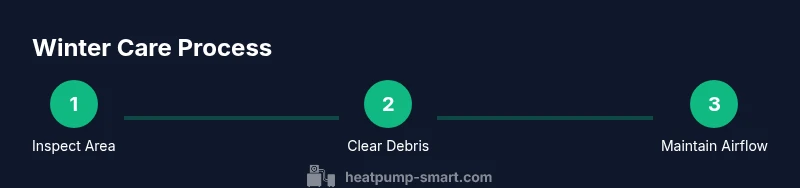
- Clear the area around the unit to maintain airflow.
- Check for any visible damage or bent fins after storms.
- Remove snow and ice carefully with a soft brush; avoid metal tools.
- Ensure the unit is level and free of debris that could obstruct airflow.
- Schedule a professional inspection once or twice per season to verify refrigerant charge and electrical safety. Heatpump Smart highlights that proactive maintenance improves efficiency and reduces energy costs during the cold months.
Dealing with snow, ice, and debris safely
Snow and ice are common in winter, but they can disrupt performance if allowed to accumulate. Use a broom or plastic brush to sweep away snow from the top and around the sides, never using sharp tools that could damage fins. When removing ice, do not hammer or pry; a gentle melt with indirect heat or a heater fan away from the unit is safer. Keep the surrounding area free of branches that could shed debris, and avoid piling snow directly against the sides. Consistent dry conditions help protect electrical components and improve reliability.
When to call a professional and why
If you notice persistent frost near the coil, strange noises, reduced airflow, or a drop in heating performance, do not try to fix it yourself. Winter issues can stem from refrigerant leaks, capacitor failures, or frost on the evaporator. A licensed technician can diagnose refrigerant pressures, check electrical safety, and ensure proper airflow. Regular winter maintenance reduces the likelihood of costly breakdowns and keeps your system closer to manufacturer specifications.
Tools & Materials
- Breathable outdoor heat pump cover (optional)(Use only when system is off and for idle periods; never cover fins while running.)
- Sturdy gloves(Protect hands when clearing snow or debris.)
- Soft brush or broom(Gently remove snow, leaves, and dirt from fins without bending them.)
- Non-metal tool (plastic scraper)(Use if needed for ice near the top but avoid contacting fins with metal.)
- Clearance marker (3 feet)(Ensure a safe airflow zone around the unit year-round.)
- Non-abrasive coil cleaner (optional)(Only if advised by a technician; avoid harming coil coatings.)
Steps
Estimated time: 20-40 minutes
- 1
Assess clearance and area
Walk around the unit and confirm at least three feet of clear space on all sides. Remove any leaves, branches, or other debris that could block airflow. This step protects efficiency and reduces the risk of ice buildup around the fins.
Tip: Mark the 3-foot boundary with inexpensive stakes or chalk to maintain consistent clearance year-round. - 2
Decide on covering strategy
If the climate is mild and the unit is always operating, do not cover it. If long idle periods with heavy snow are common, consider a breathable, vented cover only when the system is off; never cover while it’s running.
Tip: Always check manufacturer guidance or consult a pro before covering. - 3
Position or remove the cover
If you’re using a cover, place it so it sits above the top and sides without touching the fins. Ensure vents remain open and moisture can escape. Remove the cover before turning the unit back on.
Tip: Avoid ties or straps that could trap moisture inside. - 4
Clear snow and ice safely
Gently brush away new snow with a soft brush or broom. Never use metal tools to scrape ice. If ice forms around the unit, consider waiting for it to melt naturally or call a professional if it persists.
Tip: Direct heat or hot water can crack parts; use patience and gentle methods. - 5
Inspect for damage after storms
After major storms, inspect the fins for bending and look for any unusual noises or airflow changes. Bent fins reduce efficiency and should be corrected by a technician using proper tools.
Tip: A simple fins comb can help straighten small bends; avoid forcing them back into shape. - 6
Schedule winter maintenance
Book a seasonal check with a licensed HVAC technician to verify refrigerant charge, electrical connections, and overall performance. Regular maintenance reduces breakdown risk and keeps efficiency high during cold months.
Tip: Ask for a written maintenance checklist after the visit. - 7
Prepare for spring transition
As temperatures rise, remove any protective coverings, clean the coils with a gentle brush, and ensure the unit resumes normal operation. Keep the area tidy to ease spring service visits.
Tip: Document any weather-related issues for the technician later.
Your Questions Answered
Do heat pumps require a cover in winter?
In general, do not cover a running heat pump. A breathable cover may be used only during long idle periods in harsh climates, and never while the unit is operating. Clear the area around the unit and perform regular maintenance.
Usually not. Use a breathable cover only when idle and keep the unit clear of snow and debris.
Will covering my heat pump cause overheating?
Yes, solid covers can trap heat and moisture, potentially promoting corrosion and mold. Always ensure the unit has airflow and remove any cover before re-starting operation.
Yes, covers can trap heat and moisture; remove before running again.
What should I do with snow around the unit?
Gently remove snow with a soft brush. Do not pile snow against the sides or top, and avoid using metal tools that could bend fins. Maintain clear ventilation around the unit.
Gently brush snow away and keep the area clear.
Can leaves or debris affect winter performance?
Yes. Leaves and debris reduce airflow and can trap moisture. Regularly clean the area and keep plants trimmed back.
Debris blocks airflow; keep the area tidy.
When should I call a professional in winter?
If you notice frost buildup, odd noises, reduced heating, or electrical concerns, contact a licensed HVAC technician. They can confirm refrigerant pressures, electrical safety, and proper airflow.
Call a pro if you notice unusual noises or performance drops.
How often should I schedule winter maintenance?
Aim for at least one professional inspection during winter, ideally twice in areas with severe cold. A basic homeowner audit between visits helps catch issues early.
Have a winter check with a tech, twice if you’re in a harsh area.
Watch Video
Top Takeaways
- Keep at least 3 feet of clearance around the outdoor unit.
- Do not cover the unit while operating.
- Use breathable covers only during idle periods, with caution.
- Clear snow and debris gently to protect fins.
- Schedule seasonal maintenance for winter reliability.