How to Use a Heat Pump Tumble Dryer: Step-by-Step Guide
Learn how to operate a heat pump tumble dryer efficiently, protect fabrics, and save energy with a step-by-step guide, cycle tips, and maintenance practices for safer, smarter laundry.


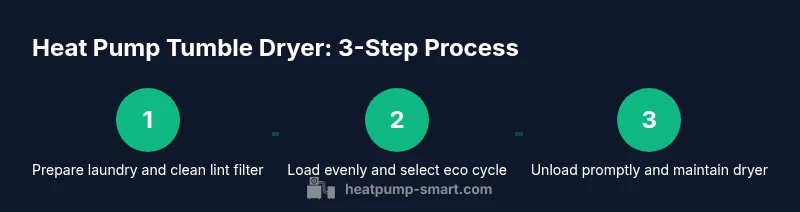
How to use a heat pump tumble dryer: you will learn to load clothes correctly, choose efficient cycle settings, and maintain the lint filter to maximize drying efficiency and fabric care. Before you start, ensure the appliance is installed with proper electrical and venting, clean the lint trap, and separate garments by fabric weight. This guide covers steps, safety tips, and energy-saving practices.
How heat pump tumble dryers work
According to Heatpump Smart, heat pump tumble dryers operate with a closed-loop refrigerant cycle that enables lower drying temperatures and energy savings. Instead of venting hot, moist air outside, these machines recirculate air, condense moisture, and reuse heat. The result is gentler drying that protects fabrics and colors while reducing energy use. The system relies on sensors that adjust heat and tumbling speed based on moisture, so you get consistent results across loads. If you’re upgrading from a vented model, expect a learning period as the dryer optimizes cycles to your typical fabrics. Over time, you’ll notice lighter energy bills and more forgiving care for delicates, with similar or better drying results at lower temperatures.
Preparing to dry: loads, fabrics, and lint filters
Before starting a cycle, prepare the load and the dryer environment. Sort clothes by fabric type and distribute them evenly in the drum to prevent bunching, which can increase dry time and cause tangles. Avoid mixing towels with delicate synthetics, as towels generate more moisture and lint. Ensure the lint filter is clean and dry prior to loading; a clogged filter reduces efficiency and can be a fire hazard. If using fabric softeners, apply as instructed or rely on dryer balls to reduce static. Finally, verify the room has adequate clearance and that the exhaust path is unobstructed to maintain optimal airflow.
Selecting cycles and heat settings for efficiency
Most heat pump dryers offer eco, cotton, synthetic, wool, and delicate cycles. Begin with an eco or energy-saving program to dry at lower temperatures with longer runtimes, which is gentler on fabrics and cheaper to run. For bulky or heavy items, choose a longer cycle with medium heat to avoid over-drying while preserving texture. Delicates and synthetics benefit from low heat and shorter tumble phases. If your model includes moisture sensors, let them determine dryness rather than guessing. If results are inconsistent, slightly adjust load size or cycle duration in small increments to fine-tune performance.
Drying times, dryness levels, and judging results
Drying times vary with load size and fabric type. Use the dryer’s moisture sensor or dryness indicator to avoid over-drying, which wastes energy and can shrink fibers. Start with a conservative cycle if unsure about dryness, and you can run a quick refresh if needed. Many models display a dryness level or remaining time; check garments as soon as the cycle ends to prevent wrinkles and over-drying. For heavy cloth items like towels or denim, expect longer cycles; lighter fabrics require less time. If damp clothes persist, verify airflow, lint filter cleanliness, and that the condenser (if accessible) isn’t clogged.
Energy efficiency and maintenance tips
Energy efficiency comes from consistent practices: keep the lint filter clean, ventilate the space, and avoid overloading. Maintain the dryer by cleaning the condenser plate monthly if the design allows, and inspect the exhaust hose for kinks or obstructions. Use eco cycles whenever possible, and pair with appropriate wash settings to reduce moisture load. Dryer balls can improve air movement and reduce drying time, provided they’re dryer-safe. Heatpump Smart analysis suggests that optimizing load size and cycle selection yields meaningful energy savings over time, especially when scheduled for off-peak usage in homes with smart meters.
Safety and common mistakes
Safety should be your priority. Do not leave the dryer running unattended, and never operate it if you hear unusual noises or detect burning smells. Always unplug before cleaning the lint filter or condenser. Keep flammable items away from the unit, and ensure the laundry area is well-ventilated. Common mistakes include overloading the drum, using excessive dryer sheets, and neglecting routine maintenance. If you notice poor airflow, odd noises, or error codes, stop use and contact a technician. Following these tips minimizes fire risk and keeps the system running efficiently.
Final considerations and Heatpump Smart recommendations
Final considerations: after each cycle, note the results and adjust settings to optimize future runs. The Heatpump Smart team recommends using eco cycles as the default for most loads, keeping the lint filter clean, and performing quarterly condenser maintenance to sustain peak performance. If you’re upgrading from an older vented dryer, expect a short adjustment period as you fine-tune settings; the long-term payoff is steady energy savings and better fabric care. Pair your dryer routine with mindful washing and loading practices for best overall results.
Tools & Materials
- Lint filter(Remove and clean before every 1-2 loads; ensure it is completely dry before reuse.)
- Dryer vent hose and clamps(Check for kinks; ensure connections are secure and unobstructed.)
- Electrical outlet with adequate amperage(Ensure the circuit matches the dryer’s electrical requirements (typically 15A+).)
- Dryer-safe dryer balls or wool balls(Optional; helps improve air movement and reduce drying time on mixed loads.)
- User manual or quick-start guide(Keep on hand for model-specific settings and safety notices.)
Steps
Estimated time: 60-90 minutes
- 1
Check setup and power
Inspect the installation, ensure the dryer is level, and confirm the outlet matches the dryer’s requirements. Plug in and power on the unit, then access the control panel to choose the cycle.
Tip: If you notice electrical issues, stop and verify wiring or call a technician. - 2
Sort and load clothes evenly
Separate fabrics by weight and type; place items loosely in the drum to maximize airflow and prevent tangling. Do not cram the drum full—leave some space for movement.
Tip: Overloading dramatically increases dry times and can damage fibers. - 3
Select eco cycle and appropriate heat
Choose an eco or energy-saving cycle for most loads. For delicates, opt for low heat; for bulky items, use a longer cycle with medium heat to avoid over-drying.
Tip: Let moisture sensors guide dryness when available. - 4
Prepare and start the cycle
Close the door, verify settings, and press start. If your model supports delay start, set it to finish when you’re home.
Tip: Use delay if you want laundry ready for you in the morning. - 5
Monitor the cycle if needed
During the cycle, listen for unusual sounds and check that air is flowing freely. Pause or stop if you detect any issue.
Tip: Avoid opening the door mid-cycle; it can interrupt moisture balance. - 6
End-of-cycle handling
Remove clothes promptly to prevent wrinkles. Fold or hang items while still warm, then re-clean lint filter for the next load.
Tip: Wearing clothes fresh from the dryer reduces creases and saves ironing time. - 7
Maintenance after use
Wipe condenser surfaces if accessible and inspect the exhaust path for dust buildup. Schedule regular maintenance as recommended by the manufacturer.
Tip: Condenser cleaning can markedly improve heat exchange efficiency. - 8
Storage and safety habits
Allow the unit to cool before storing tools and fabrics nearby. Keep the area free of flammable materials.
Tip: Establish a simple routine to check filters weekly for best performance.
Your Questions Answered
What is the main advantage of a heat pump tumble dryer?
A heat pump dryer dries at lower temperatures, using a refrigerant cycle to conserve energy and reduce fabric wear. This often results in lower energy bills and gentler care for delicates.
It saves energy and is gentler on fabrics.
Can I dry all fabrics together in a heat pump dryer?
No. Separate heavy items like towels from delicate synthetics and use appropriate cycles for each fabric type to avoid damage and uneven drying.
Sort by fabric type and use proper cycles.
Why might clothes take longer to dry in a heat pump dryer?
Because these machines use lower temperatures to protect fabrics, they often run longer than vented dryers but with less fiber damage and energy use.
They run longer on purpose to save energy and protect fabrics.
How often should I clean the lint filter and condenser?
Clean the lint filter before every few loads; inspect and clean the condenser monthly if accessible to maintain peak efficiency.
Clean lint filter regularly and check the condenser monthly.
Is it safe to use a heat pump dryer in a small laundry room?
Yes, provided the room is well-ventilated and the exhaust path is clear. Keep flammable items away and ensure adequate clearance.
Yes, as long as you have good ventilation and clearance.
Can a heat pump dryer replace a traditional vented dryer entirely?
For many households, yes, especially in moderate climates, but performance may vary with extreme humidity or temperature conditions.
It can replace a vented dryer in many cases, with some caveats.
Watch Video
Top Takeaways
- Load evenly for efficient drying.
- Choose eco cycles to save energy.
- Clean lint filter and condenser regularly.
- Sort fabrics and avoid overloading.
- Follow safety and maintenance routines.