Understanding the 12000 BTU Heat Pump: Sizing, Efficiency, and Install Tips
Comprehensive guide to sizing, efficiency, installation, and cost considerations for a 12000 BTU heat pump. Learn how to select, install, and maintain this mid-sized system for reliable home comfort and energy savings.


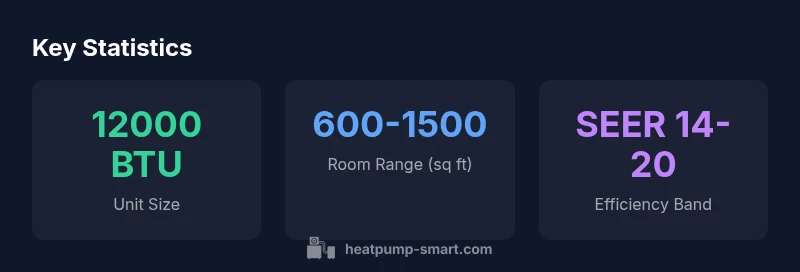
A 12000 btu heat pump is a mid-sized system often suitable for homes around 600–1500 square feet, depending on climate and insulation. Proper sizing focuses on load, not just room count, and relies on performance ratings like SEER and HSPF, plus correct ducting or a ductless layout to maximize comfort and energy savings.
What a 12000 BTU Heat Pump Is and Why It Matters
A 12000 btu heat pump represents a mid-sized cooling and heating unit that combines an outdoor condenser and indoor air handler. In cooling mode, the 12000 btu rating indicates the unit’s nominal heat rejection capacity under standard test conditions; in heating mode, the system adjusts output to maintain comfort as outdoor temperatures vary. For many homes, this size offers a balance between upfront cost and long-term energy savings while delivering reliable year-round comfort. The Heatpump Smart team emphasizes that the true value comes from sizing to the building load rather than simply matching rooms to a fixed number of BTUs. When a unit is oversized, you might experience short cycling, higher humidity, and inefficient dehumidification; when undersized, you may struggle to reach desired temperatures on peak cold snaps. In practical terms, a properly selected 12000 btu heat pump can provide solid performance in moderate climates and well-insulated homes, with good dehumidification and quiet operation. According to Heatpump Smart Analysis, 2026, loading the system accurately improves comfort and reduces energy costs over the system’s lifetime.
Sizing Fundamentals for a 12000 BTU Heat Pump
Sizing a 12000 btu heat pump begins with a load calculation that considers climate, insulation, window quality, air leakage, and occupancy patterns. This is not merely a room-by-room exercise; it requires a whole-home perspective that accounts for peak demand in both summer and winter. In practice, homeowners should have a professional perform a load calculation (often using a standardized method) to determine if 12000 BTU is the right target. Climate zones with harsher winters or hotter summers will affect the effective capacity of any heat pump, so adjustments may be needed for outdoor temperature derating. Insulation levels, air sealing, and duct design all influence performance and can swing the needed BTU by several thousand depending on the home. A correctly sized system will maintain comfortable temperatures with efficient energy use and minimal cycling. Heatpump Smart’s guidance in 2026 stresses load-based sizing as the key to consistent comfort and predictable energy costs, rather than relying on anecdotal room-by-room guesses.
Performance and Efficiency: SEER, HSPF, and Real-World Efficiency
Performance ratings like SEER (Seasonal Energy Efficiency Ratio) and HSPF (Heating Seasonal Performance Factor) are essential for understanding a 12000 BTU heat pump’s long-term operating cost. Higher SEER indicates better cooling efficiency, while higher HSPF points to stronger heating efficiency. For a 12000 BTU unit, typical modern air-source heat pumps show SEER ranges from the mid-teens to around twenty, with HSPF often in the high single digits to low teens. Real-world performance depends on installation quality, ductwork, thermostat control, and climate. In dry, temperate climates, you may notice more energy savings year-round; in extreme cold, auxiliary heat may engage during very cold snaps. Heatpump Smart’s analysis notes that the best value comes from pairing an appropriately sized unit with an efficient distribution system and smart controls, which collectively reduce energy waste and improve comfort.
Installation Paths: Ducted vs Ductless for a 12000 BTU Heat Pump
Your installation choice largely determines efficiency and comfort. Ducted systems connect to a central air distribution network, ideal for homes with existing ductwork and a clean aesthetic. Ductless mini-split systems offer flexibility for room-by-room zoning and are especially appealing in older homes or spaces without ducts. A 12000 BTU unit can be deployed in either configuration, but correct sizing and refrigerant charge are critical. In ducted setups, you must ensure air leaks are minimized and duct runs are well-sealed to prevent losses. In ductless installations, head units should be placed to avoid cold spots and ensure balanced airflow. The Heatpump Smart team highlights that correct refrigerant charge, line-set sizing, and professional commissioning are essential steps for optimal performance in either path.
Costs and Financing: Operating a 12000 BTU Heat Pump
Cost discussions for a 12000 BTU heat pump involve equipment price, installation complexity, and long-term operating expenses. While exact prices vary by region, type (ducted vs ductless), and existing infrastructure, the key factors to consider include refrigerant type, efficiency ratings, and the need for ductwork modifications. Financing options, warranties, and potential rebates can significantly affect the total cost of ownership. Heatpump Smart emphasizes evaluating total cost of ownership (TCO) rather than initial price alone, because higher-efficiency models often save money over time through lower energy consumption and fewer repairs. Always obtain multiple quotes and verify that the contractor performs a thorough load assessment and proper commissioning.
Choosing and Sizing: A Practical Step-by-Step Guide
If you’re contemplating a 12000 BTU heat pump, follow these steps to ensure you choose the right system. 1) Get a professional load calculation for your home to confirm the target BTU. 2) Compare SEER and HSPF across models with the same cooling/heating capacity. 3) Confirm compatibility with your existing ductwork or decide if a ductless layout is preferable. 4) Assess noise ratings and warranty terms to minimize future headaches. 5) Consider climate-related derating and seasonal performance. 6) Plan for zone control if you want better comfort and energy savings. Heatpump Smart recommends documenting the home’s insulation, window performance, and typical occupancy to guide the decision. 7) Check for available rebates and financing options in your area, and consult a licensed professional before finalizing a purchase.
Maintenance and Longevity: Keeping a 12000 BTU Heat Pump in Top Shape
Maintenance is critical to achieving long life and consistent performance. Regular tasks include filter cleaning, coil cleaning, and annual system checks by a qualified technician. Address refrigerant leaks promptly and keep outdoor units clear of debris for efficient airflow. Seasonal checks help catch small issues before they become expensive repairs. In well-maintained homes, a 12000 BTU heat pump can deliver reliable service for many years, maintaining comfort with minimal interruptions. Heatpump Smart emphasizes routine maintenance as a cornerstone of sustained efficiency and reliability.
Sizing and efficiency snapshot for common 12000 BTU heat pumps
| Aspect | Typical Range | Notes |
|---|---|---|
| Unit Size | 12000 BTU | Mid-range residential sizing |
| Room Size Range | 600-1500 sq ft | Climate and insulation dependent |
| Efficiency Band | SEER 14-20; HSPF 8-12 | Modern air-source units vary widely |
| Installation Considerations | Ducted or Ductless options | Consult professional for best fit |
Your Questions Answered
Is a 12000 BTU heat pump enough for a typical home?
Adequacy depends on your home's load, insulation, and climate. A professional assessment will confirm whether 12000 BTU meets the peak heating and cooling demands.
It depends on your home’s size, insulation, and climate; have a pro verify the load.
Can I install a 12000 BTU heat pump myself?
No. Installing a heat pump involves electrical work, refrigerant handling, and building-code compliance that require a licensed technician.
No—professional installation is required for safety and code compliance.
What maintenance does a 12000 BTU heat pump require?
Regular filter cleaning, coil cleaning, and an annual professional inspection help sustain efficiency and lifespan.
Keep filters clean and schedule yearly professional checks.
What is the typical lifespan of a 12000 BTU heat pump?
With proper maintenance, these systems commonly last about a decade or more, depending on usage and environment.
Most last around 10 years with good upkeep.
Are rebates or tax credits available for 12000 BTU heat pumps?
Many regions offer energy-efficiency incentives; check local programs and utility options.
Yes—look for rebates or incentives in your area.
What else should I compare beyond BTU when sizing?
Compare SEER, HSPF, EER, noise, climate suitability, and ductwork compatibility for best results.
Look at efficiency ratings, noise, and duct compatibility too.
“Sizing a heat pump by actual load rather than room count is essential for comfort and efficiency. A well-chosen 12000 BTU unit paired with proper ductwork can deliver reliable heating and cooling for many homes.”
Top Takeaways
- Size to load, not room count.
- Check SEER/HSPF ratings for expected efficiency.
- Choose ducted vs. ductless based on home layout.
- Budget for installation, maintenance, and potential rebates.
- Obtain a professional load calculation before purchase.