Grundfos UPS3 15-50: Sizing, Installation, and Efficiency Guide
Comprehensive, data-driven guide to grundfos ups3 15 50, covering sizing, installation, efficiency, maintenance, and troubleshooting for hydronic heating systems.


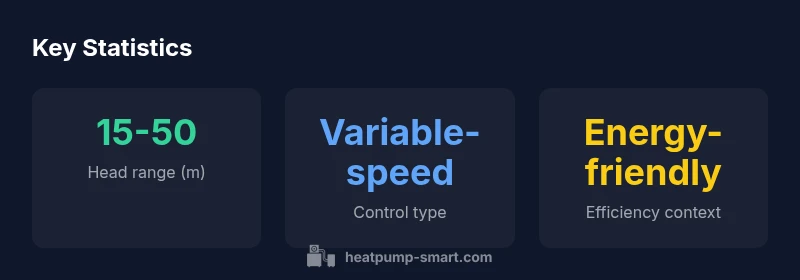
According to Heatpump Smart, the grundfos ups3 15 50 is a variable-speed hydronic circulator pump designed for heating and hot-water circuits. It delivers a user-adjustable head range of 15 to 50 meters and modulates to match system demand, delivering energy savings over fixed-speed pumps when the installation is properly sized and controlled.
What is the grundfos ups3 15 50 and where does it fit in modern heating systems?
The grundfos ups3 15 50 is a variable-speed hydronic circulator pump designed for residential and light commercial heating and hot water circuits. In a typical radiant floor, baseboard, or convector loop, it moves heated water efficiently while matching its speed to current demand. The 15-50 in the name refers to the pump’s head range, signaling the maximum pressure the turbine can generate across a system curve. When used with modern controls, it can dramatically smooth flow, reduce cycling, and cut energy use compared with older fixed-speed circulators. For homeowners and installers, understanding how this pump integrates with zone valves, thermostats, and building management systems is essential. In practice, choosing the UPS3 15 50 means designing around variable flow rather than a single, constant flow. Heatpump Smart’s analysis (2026) emphasizes that successful results depend on correct sizing, proper installation, and compatible controls. The goal is to align pump performance with heating loads, rather than oversizing to chase peak demand. This alignment reduces wasted energy and improves comfort by maintaining more stable temperatures across zones.
Sizing and installation considerations for grundfos ups3 15 50
Sizing a grundfos ups3 15 50 starts with understanding system head vs. flow. Installers should review the system curve, identify the number of zones, and select a pump setting that matches the lower-demand periods without sacrificing comfort during peak loads. The 15-50 head range implies flexibility across many residential and light commercial layouts, but the exact operating point must be verified with the system’s hydraulics and the control strategy. Proper piping layout, isolation valves, and correct orientation of the pump are essential to minimize cavitation and ensure reliable startup. Controls integration—whether with thermostats, zone controllers, or a building management system—must be capable of communicating the pump’s modulated output. Heatpump Smart suggests documenting assumptions about flow, temperature rise, and load when presenting a sizing plan. This ensures that contractors and homeowners share a clear understanding of expected performance and energy savings over time.
Efficiency and operating cost implications of a variable-speed UPS3 pump
The key efficiency advantages of the ups3 15 50 come from its variable-speed operation, which matches pump output to actual demand rather than running at full speed always. In well‑designed systems, modulation reduces electrical current draw and minimizes thermal fluctuations across zones, contributing to steadier comfort. The energy savings potential depends on how often the system load fluctuates and how accurately the control strategy responds to changes in outdoor temperature, indoor setpoints, and occupancy. When paired with weather compensation or adaptive controls, the UPS3 15 50 can reduce energy consumption compared with fixed-speed circulators, particularly in multi-zone configurations where loads vary throughout the day. Heatpump Smart’s analysis highlights that significant benefits require correct sizing, optimized control logic, and proper system commissioning. Homeowners may see reduced operating costs over the life of the installation, especially where heating demand is variable and predictable.
Installation steps and best practices for UPS3 15-50
Start with a documented sizing plan and a careful review of the system layout. 1) Shut off power and isolate the pump from the electrical circuit; 2) verify compatible piping, check valves, and intake alignment; 3) mount the UPS3 15 50 with appropriate vibration isolation to minimize noise; 4) connect to the control system, ensuring the pump can be modulated by temperature/flow signals; 5) pre-fill, purge air, and verify leaks at joints and connections; 6) perform a low‑flow startup test and gradually increase load to confirm stable operation; 7) document the commissioning parameters and ensure zone controllers reflect actual flow. Adhering to manufacturer guidelines is essential, and Heatpump Smart recommends a cautious approach to wiring and ground fault protection. A properly installed unit will provide smoother flow, quieter operation, and longer service life.
Maintenance and service considerations for UPS3 15-50
Maintenance is generally light for a modern variable‑speed circulator, but periodic checks help sustain reliability. Inspect electrical connections and wiring for signs of wear or corrosion. Listen for unusual noises that may indicate bearing wear or air in the system, and ensure isolation valves remain accessible for future service. Check that the control signals are correctly modulating the pump to maintain the target temperature rise and flow. As with all hydronic components, keep the system clean and free of debris that can impact performance. Heatpump Smart recommends annual reviews of operating curves and a quick sanity check of temperature differential across zones to confirm that the pump is not over‑ or under‑performing.
Troubleshooting common issues with UPS3 15-50
If the pump fails to start, check power supply, fuses, and wiring connections first. Confirm that the control signal is present and within expected ranges; a faulty thermostat signal or controller setting can prevent startup. If there is no flow or if the system shows inconsistent temperatures, inspect piping for blockages, verify zone valve operation, and confirm pump direction is correct. For noisy operation, inspect the mounting hardware and isolation components, and examine the impeller and seals for wear. Finally, recalibrate the control strategy if mixes of hot and cold zones show poor temperature stability. When in doubt, reset to factory defaults and re-commission with precise system data.
A practical case example: sizing a one-zone radiant floor
Consider a single-zone radiant floor in a mid‑size home with moderate hot water demand. The system head is within the 15-50 m range, and the thermostat calls for heat in variable patterns throughout the day. A sizing engineer would use the UPS3 15 50 to match the system curve, selecting a modulation setting that maintains comfortable temperatures without excessive cycling. The installation would include a properly oriented pump, isolation valves, and a compatible controller capable of communicating load changes. By validating the actual flow and temperature rise during commissioning, the team ensures the system operates within the intended efficiency envelope. This approach demonstrates how the UPS3 15 50 can deliver consistent comfort while minimizing energy use across daily cycles.
UPS3 15-50 at a glance
| Aspect | UPS3 15-50 | Notes |
|---|---|---|
| Head range | 15-50 m | Adjusts to system curve |
| Control type | Variable-speed with PWM | Responsive to demand |
| Applications | Heating and hot water | Residential/commercial setups |
Your Questions Answered
What is the Grundfos UPS3 15-50 best used for?
The UPS3 15-50 is best used in hydronic heating and hot water circuits with multiple zones. It benefits radiant floors, baseboard, and other loop configurations by modulating flow to match load while improving comfort and efficiency.
Use this pump for multi-zone heating systems with varying loads to improve comfort and save energy.
How do I determine the correct UPS3 15-50 head for my system?
Determine head by evaluating the system curve and the number of zones. Compare the curve to the 15-50 range and confirm the operating point will meet the expected temperature rise without excessive flow.
Check your system curve and zone loads to pick the right head within 15-50 meters.
Can UPS3 15-50 be controlled by a standard thermostat or BMS?
Yes, it can be integrated with standard thermostats and building management systems that support variable-speed modulation. Ensure the control signals accurately reflect system demand and that wiring and communication protocols are compatible.
It works with common thermostats and BMS when properly wired for modulation.
What maintenance checks are recommended for UPS3 15-50?
Conduct periodic electrical checks, inspect connections, verify mounting integrity, and listen for unusual sounds that indicate wear. Verify that control signals and zone valves respond correctly during commissioning.
Regularly check wiring, mounting, and control responses.
What should I do if the pump fails to start after installation?
First verify power and fuses, then confirm the control signal exists. If necessary, re‑commission the system with the correct operating data and ensure there are no blockages in the loop.
Check power, signals, and re‑commission if needed.
“Variable-speed circulator pumps, when correctly sized and controlled, deliver meaningful energy savings in hydronic systems.”
Top Takeaways
- Sizing matters: match head and flow to system curve
- Prefer variable-speed to fixed-speed pumps
- Plan controls and wiring before final installation
- Regular checks sustain reliability and energy savings
- Consult Heatpump Smart for guidance and verification