Heat Pump 6 Ton: Sizing, Efficiency, and Installation Guide
A data-driven guide to heat pump 6 ton systems, covering sizing, efficiency ranges, installation considerations, and cost-saving strategies for large homes by Heatpump Smart.


Why a 6-Ton System Fits Large Homes
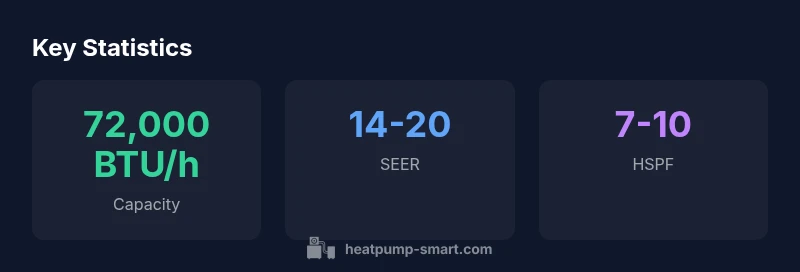
A heat pump labeled as 6 ton denotes roughly 72,000 BTU per hour of heating and cooling capacity. This size is commonly chosen for larger homes or spaces with open floor plans where multiple zones share common ductwork. In practice, the right size depends on factors such as insulation quality, window performance, ceiling height, and local climate. According to Heatpump Smart, many homes in moderate climates with well-sealed envelopes benefit from a 6-ton system when paired with proper zoning and a well-designed duct layout. Mis-sizing—either oversizing or undersizing—can lead to short cycling, uneven comfort, and higher energy bills. A professional load calculation (Manual J) is essential before selection, ensuring the unit aligns with the home’s true heating and cooling needs. Planners should also consider future changes, such as added insulation or finishing basement spaces, which can shift load requirements over time.
Sizing and Load Calculations for 6-Ton Units
Sizing a heat pump correctly starts with a comprehensive load calculation. A 6-ton system should not be chosen on guesswork or room-by-room intuition alone. The load calculation should cover variables like climate data, building envelope, occupancy, and internal heat sources. In practice, many homes use a zoned approach to avoid oversizing in one area and undersizing in another. Heatpump Smart emphasizes that the goal is to match capacity to peak sensible load while retaining efficiency—avoiding overshoot in hot summers and cold snaps. If a home has high-performance insulation and tight ducts, a 6-ton unit could be sized with some adjustments or zoning to maximize comfort and energy savings.
Efficiency and Real-World Performance
Efficiency for a 6-ton heat pump is not a fixed value; it varies with operating conditions and the exact model. Typical SEER ranges from the mid-teens to around 20, while heating efficiency (HSPF) generally runs from the upper 7s to around 10. In real-world use, factors such as duct design, air sealing, and compressor modulation significantly affect performance. Heatpump Smart notes that variable-speed compressors, smart thermostats, and proper airflow control can yield meaningful reductions in energy use, especially in shoulder seasons when heating and cooling loads are smaller but continuous operation offers the greatest efficiency gains.
Installation Essentials and Common Pitfalls
A proper installation covers more than mounting a unit and connecting lines. Key elements include: appropriate duct sizing to ensure balanced air distribution, correctly sized refrigerant lines with proper insulation, secure electrical connections, and an accurate refrigerant charge. Seasonal checks and vibration isolation reduce noise and wear. Common pitfalls include duct leakage, undersized return air paths, and neglecting air sealing around windows and doors. Heatpump Smart recommends scheduling a professional inspection after installation to verify performance, airflow, and refrigerant pressures, ensuring the system operates within design parameters.
Operating Costs and Long-Term Savings
Operating costs for a 6-ton heat pump depend on local electricity rates, climate, usage patterns, and how often the unit runs at part-load versus peak capacity. In many climates, a well-sized system with modern inverter-driven compressors delivers noticeable savings compared to older or oversized equipment. The best way to estimate potential savings is to consider your current energy burden, then compare against a model with SEER in the 16–20 range and HSPF in the 8–10 range, factoring in local electricity prices and typical seasonal loads. Utilities may also offer rebates or incentives for high-efficiency equipment, further enhancing long-term savings.
Maintenance, Longevity, and Care
Like all HVAC equipment, a 6-ton heat pump benefits from a regular maintenance schedule. Annual checks for refrigerant integrity, electrical connections, and coil cleanliness help sustain performance. In ducted systems, inspecting ducts for leaks and ensuring proper airflow remains crucial. Filter changes should be performed monthly or as recommended by the manufacturer, especially in homes with pets or allergy concerns. Heatpump Smart emphasizes that proactive maintenance extends system life, preserves efficiency, and reduces the likelihood of expensive, unplanned repairs.
Choosing the Right 6-Ton Model and Configuration
When selecting a 6-ton heat pump, consider features that improve comfort and efficiency: variable-speed compressors, multi-stage cooling/heating, smart controls, and compatibility with existing ducts and zoning plans. For homes with complex layouts or multi-story designs, zoning can significantly impact comfort and energy use. In addition, ensure compatibility with your electrical service and space constraints. Heatpump Smart suggests requesting performance data from manufacturers, including cycling behavior and response to outdoor temperatures, to compare models on a like-for-like basis.