Using a Heat Pump with an Oil Furnace: A Practical Guide
Learn how to safely and efficiently use a heat pump with an oil furnace, including compatibility, wiring, controls, and maintenance for a reliable dual-fuel setup.


A dual-fuel setup lets a heat pump handle most heating, with the oil furnace serving as backup in extreme cold. The key is a dual-fuel control and a compatible thermostat that sequences heating modes automatically. This guide shows safe wiring, proper equipment pairing, and practical steps to implement the hybrid system.
Why This Hybrid Approach Matters for Home Comfort and Efficiency
If you're exploring how to use heat pump with oil furnace, a hybrid or dual-fuel setup can deliver comfort across seasons while reducing fossil fuel use. According to Heatpump Smart, pairing a heat pump with an oil furnace is a practical way to blend efficiency with reliability in mixed climates. The Heatpump Smart team found that in properly configured hybrids, homeowners enjoy steady warmth with less oil consumption during shoulder seasons and better resilience during cold snaps. This guide walks you through compatibility, controls, and practical steps to implement a safe, efficient system for homes, builders, and property managers. The guidance here emphasizes safety, proper sequencing, and professional oversight to protect equipment and home occupants.
How the Hybrid System Works: Thermostat Logic and Controls
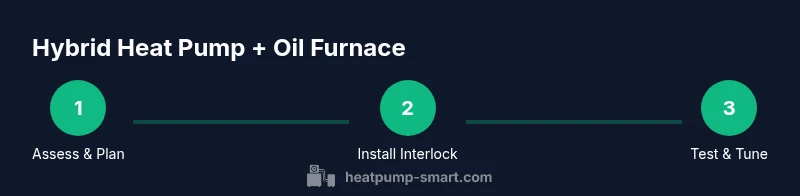
A hybrid system uses the heat pump as the primary heat source on milder days. When outdoor temperatures drop below a preset threshold, the control system signals the oil furnace to fire up, providing backup heat. The thermostat or a dedicated dual-fuel control module handles sequencing, ensuring the heat pump and oil furnace do not fight for operation. Many setups use an interlock relay or a dual-fuel compatible thermostat to switch sources automatically, often with the oil furnace handling the last-ditch cold-weather heat. Understanding this sequencing is essential for reliable comfort and energy efficiency.
Compatibility and prerequisites
Before you buy parts or call for service, verify compatibility among the heat pump, oil furnace, and control hardware. Look for a heat pump with a dual-fuel capable contact arrangement, a thermostat that supports dual-fuel sequencing, and an interlock or control module compatible with your equipment. Check electrical capacity, refrigerant lines, and the furnace’s venting and gas/oil supply provisions. Gather model numbers, service manuals, and installation instructions to confirm that your components can be wired for safe, automatic switching. If any part is unclear, consult a licensed HVAC professional for verification.
Sizing, Climate considerations, and Efficiency expectations
Hybrid systems work best when the heat pump is properly sized for typical winter temperatures and the oil furnace provides robust backup for severe cold. Climate plays a big role: milder climates benefit more from a heat pump-first approach, while very cold regions may rely on oil furnace more often. Sizing should account for the heat pump’s heat output at low outdoor temperatures and the furnace’s capacity to deliver peak heat when needed. A well-designed setup preserves comfort, minimizes oil usage, and maintains system efficiency while avoiding oversized equipment that wastes energy.
Installation Pathways: DIY vs Professional
Due to the electrical interlocks, thermostat compatibility, refrigerant handling, and potential venting issues, installing a dual-fuel system is typically a job for a licensed HVAC professional. While homeowners can do preparatory work (planning, selecting equipment, and inspecting existing wiring), professional installation helps ensure safe electrical connections, correct interlock wiring, and compliance with local codes. Always verify licensing, insurer requirements, and any applicable rebates before proceeding.
Maintenance and Safety Essentials for Hybrid Heating
Hybrid systems require regular maintenance to keep performance high. Schedule annual professional inspections for both heat pump and oil furnace components, including refrigerant checks, sensor calibration, and interlock operation. Change air filters regularly, keep outdoor units clear of debris, and test safety devices (CO detectors, flame sensors, and limit switches). Maintain a written service log and note any odd sounds, temperature swings, or cycling patterns. Safety first: never bypass safety devices or attempt refrigerant work without credentials.
Tools & Materials
- Heat pump compatible with dual-fuel control(Ensure model supports automatic switching with an interlock or dual-fuel thermostat)
- Oil furnace(Existing system serves as backup heat; ensure clear operating condition and venting suitability)
- Smart thermostat with dual-fuel/auxiliary heat support(Must be able to sequence heat pump and oil furnace without manual switching)
- Interlock relay or dedicated control module(Provides safe, automatic sequencing between heat sources)
- Low-voltage wiring tools and adapters(Proper wire nuts, terminals, and color-coded wires for safe connections)
- Multimeter and voltage tester(Verify circuits, voltages, and control signals during setup)
- Electrical supplies (fuse/breaker upgrades as needed)(Ensure circuits meet load requirements for dual-fuel setup)
- Safety gear (gloves, goggles)(Personal protective equipment for installation and service)
- Manuals for all equipment(Keep installation and service guides on hand for reference)
Steps
Estimated time: Estimated total time: 2-4 hours
- 1
Verify compatibility and gather specs
Collect model numbers for the heat pump, oil furnace, and thermostat. Check manufacturer documentation or Heatpump Smart guidelines to confirm dual-fuel capability and interlock compatibility. This step ensures you won't buy incompatible components.
Tip: Document all models, serial numbers, and control wire colors to avoid miswiring later. - 2
Plan wiring and control strategy
Decide where the interlock relay or control module will sit and outline how signals flow between devices. Confirm thermostat wiring for heat pump compressor, aux heat, and furnace control. A wiring diagram saves time during installation.
Tip: Label wires at both ends before disconnecting any existing connections. - 3
Install interlock relay or dual-fuel module
Mount and connect the interlock relay per the manufacturer’s instructions. Ensure it ties into the heat pump stage signals and the oil furnace control circuit without creating backfeed. Double-check ground and polarity.
Tip: Power down the main circuit before wiring; verify with a multimeter after wiring. - 4
Upgrade thermostat or configure dual-fuel settings
Install the dual-fuel thermostat or enable dual-fuel mode in an existing thermostat. Program the cut-in/out temperatures or outdoor ambient thresholds so the heat pump leads, and the oil furnace engages automatically.
Tip: Set conservative thresholds at first and adjust after a few days of observation. - 5
Connect power and test signals
Restore power and test the control signals for heat pump operation, auxiliary heat, and furnace engagement. Observe that switching occurs smoothly without simultaneous operation or stalling.
Tip: Run a single-test cycle using the thermostat and observe the sequence at each stage. - 6
Perform a full system test in heating mode
Simulate typical winter conditions by cycling through mild and cold settings. Ensure the heat pump handles most loads, and the oil furnace reliably activates when needed. Confirm sensor readings and safe shutdown behavior.
Tip: Document any unusual cycling and adjust thresholds if necessary. - 7
Document settings and schedule maintenance
Record thermostat settings, control interlock configuration, and regular service dates. Establish a maintenance cadence for both heat pump and oil furnace to sustain performance and safety.
Tip: Keep a digital copy of settings and a printed maintenance calendar.
Your Questions Answered
Can I install a dual-fuel system myself, or is professional help required?
A dual-fuel setup involves electrical, refrigerant, and control wiring work. For safety and code compliance, this is best performed by a licensed HVAC professional.
A dual-fuel setup should be installed by a licensed HVAC technician to ensure safety and code compliance.
Will a heat pump always meet all heating needs, or will I still rely on the oil furnace?
In mixed climates, the heat pump handles most heating on milder days. The oil furnace provides backup during very cold periods or when fast heat is needed, ensuring reliable comfort.
The heat pump handles most heating, with the oil furnace kicking in during very cold weather.
What thermostat features are essential for this setup?
Choose a thermostat that supports dual-fuel operation or an interlock module, plus clear heat source sequencing and diagnostic reporting.
A dual-fuel capable thermostat with reliable sequencing is essential.
How can I tell if my equipment is compatible?
Review model numbers and manufacturer guidelines for dual-fuel capability, interlock requirements, and wiring diagrams. When in doubt, consult Heatpump Smart guidance or a pro.
Check model numbers and official guidelines, or ask a pro to verify compatibility.
What maintenance is recommended for a hybrid system?
Schedule annual professional inspections, change filters regularly, clean outdoor units, and test safety devices. Keep a maintenance log.
Have yearly checks, change filters, and log maintenance activities.
Are there safety concerns I should know about with dual-fuel systems?
Gas and electrical work have safety risks. Ensure CO detectors are present and functional, and never bypass safety devices.
Safety first: rely on licensed pros for critical components and maintain detectors.
Watch Video
Top Takeaways
- Plan compatibility before purchasing components.
- Use a dual-fuel compatible thermostat and interlock.
- Test the sequence and document settings.
- Prioritize safety and professional installation.