What to Do With a Heat Pump in Extreme Cold
Learn how to manage a heat pump in extreme cold, optimize efficiency, and safely use emergency heat with step-by-step guidance from Heatpump Smart.


By following these steps, you will keep your heat pump running efficiently in extreme cold, maximize indoor comfort, and reduce costly reliance on emergency heat. You’ll learn to optimize thermostat settings, clear blocked outdoor units, inspect filters, and know when to call a professional. This guide also covers safety and basic maintenance you can do yourself.
Understanding Heat Pumps in Freezing Temperatures
Heat pumps rely on extracting heat from outdoor air and transferring it indoors. In freezing temperatures, the amount of available heat decreases, so the system must work harder to deliver the same comfort. Modern cold-climate models use advanced refrigerants and variable-speed compressors to optimize performance, but efficiency still falls as the outdoor coil must extract heat from colder air. According to Heatpump Smart, most units are designed to cope with subfreezing days, but users should expect higher energy use during very cold spells. To minimize impact, keep the outdoor coil clear of snow, ensure proper airflow, and replace the indoor air filter regularly. A simple, proactive maintenance routine now saves cost and stress during peak winter weeks.
Immediate Actions When Extreme Cold Hits
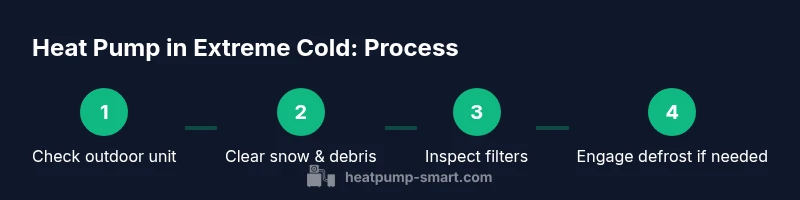
When temperatures plummet, start with the basics: set your thermostat to a consistent, comfortable temperature and avoid large swings that cause the heat pump to cycle excessively. Minimize the use of auxiliary heat unless necessary to maintain comfort. Check and replace indoor filters to ensure proper airflow, and inspect the outdoor unit area—clear snow or ice buildup, remove debris, and ensure at least 2 feet of clearance on all sides. If you notice poor heating or odd noises, document the symptoms and prepare for a professional checkup. These quick actions reduce stress on the system and prevent energy waste during the coldest days.
Defrost Cycles and Why They Matter
Outdoor coils can ice up when outdoor temperatures are very low and humidity is high. Defrost cycles briefly reverse the cycle to melt ice, which can temporarily reduce heating output. Modern heat pumps manage defrost automatically, but excessive ice buildup means the system is working harder and consuming more electricity. Keep an eye on frost indicators on the outdoor unit and ensure the defrost timer is operating as intended. If defrost takes longer than normal, schedule a service check to verify that sensors, fans, and reversing valves are functioning correctly.
Supplementary Heating: When and How
In extreme cold, many homes benefit from supplemental heat sources. This doesn’t mean abandoning the heat pump; instead, use emergency heat or a back-up electric coil as a temporary measure. Use emergency heat only when the thermostat indicates it is active, and avoid running space heaters in unvented spaces or near flammable materials. If your heat demand consistently exceeds what the heat pump can deliver, consider a staged approach: maintain comfort with the heat pump while keeping a modest auxiliary heat option for peak demand periods. Always follow manufacturer guidelines and local energy codes.
Maintaining Efficiency: Airflow, Filters, and Duct Maintenance
Indoor air quality directly affects performance. Replace or clean filters every 1-3 months in winter, depending on use and household members. Ensure supply and return vents are unobstructed and that ductwork is sealed to prevent heat loss. Outside, keep the condenser free of snow, ice, and vegetation; a blocked coil reduces airflow and raises energy use. Consider a periodic professional duct inspection if you notice uneven heating or high utility bills. Small maintenance steps can yield meaningful efficiency gains across long winter nights.
System Monitoring and Diagnostics: What to Watch
Pay attention to system indicators such as odd noises, longer cycling times, or fluctuating temperatures. Record any error codes shown on the thermostat or the outdoor unit’s control panel. Temperature inconsistencies between rooms may indicate zoning issues or duct leaks. A proactive approach includes checking refrigerant pressures and electrical connections during routine service visits. If you notice a consistent drop in performance, a professional diagnostic will help identify refrigerant leaks or sensor faults before they cause more expensive damage.
Pre-Winter Prep: Scheduling Service and Maintenance
Plan a professional tune-up before the cold front arrives. A technician will inspect refrigerant levels, sensors, fans, and defrost controls, and verify that electrical components are in good condition. Clean or replace filters, verify thermostat calibration, and assess duct integrity. This preventive maintenance reduces the likelihood of unexpected system failures during peak winter demand and can extend the life of your heat pump. Proactive maintenance aligns with Heatpump Smart’s guidance for durable, energy-efficient operation in extreme cold.
Common Myths About Heat Pumps in Cold Weather
Myth: Heat pumps don’t work in cold weather. Reality: Modern cold-climate models perform well, though efficiency drops as temperatures fall. Myth: You should turn the system off during a cold snap. Reality: Consistent operation is typically better for comfort and efficiency; use auxiliary heat sparingly. Myth: Bigger is always better for heaters. Reality: Proper sizing and correct installation are key for efficiency and comfort, especially in cold climates.
Tools & Materials
- Air filter (MERV 8 or higher)(Replace monthly during winter; pleated filters capture more dust and reduce strain on the blower.)
- Thermostat with auxiliary heat control(Programmable or smart thermostat helps manage emergency heat and setback schedules.)
- Snow brush and shovel(Clear snow and ice around the outdoor unit; maintain 2 feet clearance on all sides.)
- Outdoor unit clearance marker(Helps remind you not to store debris or hoses near the condenser.)
- Manual or digital maintenance log(Keep records of service, filter changes, and any unusual performance.)
- Non-slip footwear and gloves(Safety for outdoor inspections in icy conditions.)
Steps
Estimated time: 60-90 minutes
- 1
Power on and thermostat check
Verify the thermostat is set to a stable temperature and that the system is in heat mode. Confirm the display shows active compressor or fan operation. If you notice delays or lag in heating, proceed to step 2.
Tip: A consistent setpoint reduces cycling losses; avoid large temperature swings. - 2
Clear outdoor unit area
Remove snow, ice, and vegetation from around the outdoor condenser. Maintain at least 2 feet clearance to ensure proper airflow and defrost performance.
Tip: Never use a metal scraper on coils; damage can impair efficiency. - 3
Inspect and replace indoor filter
Take out the return-air filter and inspect for dust buildup. Replace or clean with manufacturer-recommended method; a clogged filter reduces airflow and heat output.
Tip: If you have pets or heavy cooking, replace monthly during winter. - 4
Check defrost operation
If frost builds on the outdoor coil, ensure the defrost cycle engages and melts ice. Listen for a temporary drop in heating output during defrost.
Tip: If defrost seems stuck or excessively long, schedule service to check sensors and reversing valve. - 5
Evaluate auxiliary heat use
Review thermostat settings for emergency heat usage; use auxiliary heat only during peak demand or when comfort cannot be maintained otherwise.
Tip: Limit auxiliary heat to avoid high energy costs unless necessary for safety and comfort. - 6
Schedule professional maintenance
Book a winter maintenance check with a certified technician to verify refrigerant, electrical connections, and airflow. Keep a maintenance window and prepare notes on any performance anomalies.
Tip: Document any unusual noises, short-cycling, or cold spots for the tech to review.
Your Questions Answered
Can my heat pump operate in temperatures below zero?
Yes, many heat pumps are designed to operate in subfreezing temperatures, but efficiency and heating capacity can drop. In very cold snaps, you may rely more on auxiliary heat or a backup system.
Most heat pumps can run in subfreezing weather, but expect lower efficiency and possibly supplemental heat during very cold days.
Should I run my heat pump continuously in extreme cold?
Continuous operation helps maintain comfort and prevent temperature swings. Short cycling can increase wear and energy use. Use a stable setpoint and avoid frequent thermostat changes.
Keeping the system running steadily is usually better than frequent cycling during cold weather.
What is emergency heat and when should I use it?
Emergency heat engages the back-up heater component. Use it during severe cold or when the heat pump alone cannot maintain comfort, then revert to normal operation once the temperature stabilizes.
Emergency heat activates the back-up heater for extreme conditions; switch back when possible.
Is it safe to use space heaters with a heat pump?
Space heaters can provide supplemental warmth but should be used with caution, kept away from flammable materials, and never left unattended. Ensure proper ventilation and do not block fire doors or exits.
Space heaters offer extra warmth, but follow safety guidelines and never leave them unattended.
How often should I service a heat pump for cold climates?
Aim for a professional inspection at least once a year, preferably before the cold season. Regular maintenance checks refrigerant levels, airflow, electrical connections, and sensor accuracy.
yearly professional check is best, ideally before winter arrives.
Why is my heat pump blowing cold air even when it’s cold outside?
During defrost cycles or when auxiliary heat is active, you may feel cooler air temporarily. If cold air persists, there could be airflow restrictions, thermostat issues, or refrigerant problems requiring a technician.
If cold air continues after the cycle, get a pro to check airflow and refrigerant.
Watch Video
Top Takeaways
- Plan ahead with seasonal maintenance.
- Keep outdoor unit clear and filters clean.
- Use emergency heat only when needed.
- Monitor performance and call a pro for anomalies.
- Understand defrost cycles and their impact on heat delivery.