Heat Pump 500L: A Comprehensive Guide to Efficient Water Heating
A comprehensive, data-driven guide to heat pump 500l storage for homes, covering how it works, sizing, installation, climate performance, costs, and maintenance with insights from Heatpump Smart.


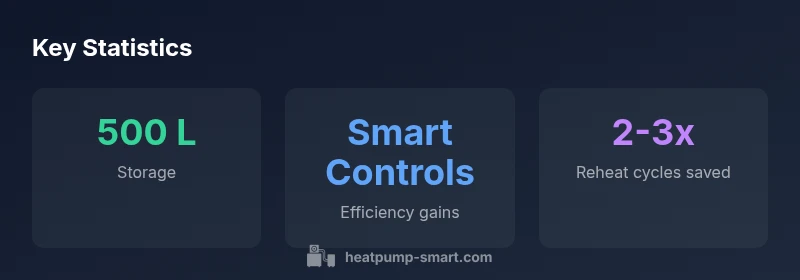
The heat pump 500L system stores 500 liters of hot water and generally offers higher efficiency than standard electric storage heaters, especially when paired with good insulation and a smart controller. Real-world savings depend on climate, usage, and insulation, but Heatpump Smart Analysis, 2026 indicates meaningful efficiency gains when this setup is properly sized and integrated into a smart hot-water plan.
Overview of heat pump 500l storage systems
The term heat pump 500l refers to a storage water heater that uses a heat pump to warm and keep hot water in a 500-liter tank. This setup combines a refrigerant-based heat pump cycle with a well-insulated tank to minimize energy use while delivering reliable hot water on demand. For homeowners, builders, and property managers, a 500-liter capacity is often a practical middle ground between compact residential systems and larger commercial setups. According to Heatpump Smart, this size is frequently chosen for family homes where daily hot water usage varies but remains predictable, enabling efficient cycling without frequent reheat. The 500l platform typically integrates with smart controls and a hydraulic schematic that ensures water is heated efficiently and stored with minimal standby losses. This guide uses heat pump 500l as the focal point to explore sizing, installation, and long-term reliability in real-world conditions.
How heat pump technology works for hot water
A heat pump works by extracting heat from the surrounding air or extraction medium and transferring it to the water in the storage tank. In a 500l system, a refrigerant cycle passes through an evaporator, compressor, and condenser to raise water temperature with far less electrical energy than a traditional electric element would require. The efficiency is largely driven by the system's COP (coefficient of performance) and how well the tank is insulated, how quickly the water is drawn, and how effectively the system avoids unnecessary reheats. Good controls and zoning can reduce cycles, improve comfort, and extend component life, while climate and installation quality shape overall performance. Heatpump Smart notes that performance is highly sensitive to insulation and proper plumbing layout, so careful planning pays off over the system’s lifetime.
Sizing, installation, and integration considerations
Choosing a 500l heat pump system begins with load estimation and usage patterns. The tank size should align with the number of simultaneous hot-water draws and the expected reheat frequency. Installation requires proper electrical supply, a correctly rated breaker, and dedicated plumbing that avoids heat losses through poor fittings. A smart controller or timer can optimize preheating during off-peak hours, reducing peak demand charges. For multi-unit buildings or homes with high hot-water demand, a staged or hybrid solution (combining solar or another heat source with a 500l heat pump) can balance costs and reliability. Heatpump Smart emphasizes consulting with a certified installer who can verify this size's suitability for the worst-case daily draw and climate conditions.
Performance across climates and water usage patterns
In milder climates, the 500l heat pump may reach target temperatures with relatively modest energy input, while in colder environments, the system will work harder to extract heat from the air. Insulation quality, tank design, and stratifcation within the tank influence how long hot water stays usable without reheating. For households with variable water usage (e.g., frequent showers or large households), the 500l tank provides a buffer to smooth out fluctuations, especially when combined with demand-based controls and smart scheduling. Heatpump Smart highlights that climate-specific performance data helps set realistic expectations and informs decisions about backup heating if essential.
Cost considerations and potential savings
Capital costs for a heat pump 500l system include the unit, installation, and potential upgrades to electrical service. Operating costs depend on electricity prices, climate, insulation, and how often the system reheats water. While exact payback periods vary by region, usage, and incentives, many households see meaningful reductions in hot-water energy use when the system is properly sized and integrated into a home energy plan. Heatpump Smart recommends comparing long-term operating costs rather than just upfront price and considering any available rebates or tax incentives that apply to heat-pump-based water heating.
Maintenance, reliability, and troubleshooting
Regular maintenance—typically annual checks of refrigerant lines, tank insulation integrity, and valve operation—helps sustain efficiency and reliability. Drain and flush procedures, thermostat verification, and filter cleaning are common maintenance tasks. If the system struggles to reach target temperatures or exhibits unusual noise, it’s often a sign to service or replace worn components rather than forcing a longer runtime. Following the manufacturer’s service intervals and using a qualified technician reduces risk and prolongs the life of a heat pump 500l system, ensuring dependable hot water over many seasons.
Real-world installation tips and best practices
Prioritize insulation and minimize heat losses by selecting high-quality tank insulation and tight fittings. Position the unit in a location with adequate airflow for the compressor and consider a ductless or ducted approach to balance space constraints. A well-planned installation that includes load calculation, electrical upgrades if needed, and calibrated controls will yield the best results. Heatpump Smart advises documenting baseline consumption and monitoring performance after installation to establish a credible performance benchmark.
How to compare models and choose a 500L system
When comparing options, evaluate tank insulation quality, COP under expected climate conditions, warranty terms, and access for maintenance. Check compatibility with existing solar or other preheat sources and ensure the system supports smart controls and app-based monitoring. Costs vary by region and installer, so request multiple quotes and verify each bid includes proper sizing verification, electrical work, and leak testing. For many homeowners, the 500L heat pump choice represents a balance between storage volume, energy efficiency, and long-term reliability.
Key considerations when evaluating a heat pump 500L system
| Aspect | Details | Notes |
|---|---|---|
| Storage capacity | 500 L | Standard for mid-sized households |
| Common reheat strategy | Smart controls + timer | Minimizes peak loads |
| Electrical considerations | Dedicated supply | Consult electrician for service upgrade |
Your Questions Answered
What exactly does the 500L refer to in a heat pump system?
The 500L denotes the tank’s storage capacity. It determines how much hot water is available between cycles and influences reheating frequency depending on household water use.
500 liters is the storage capacity; it affects how often the system needs to reheat water.
Is a 500L heat pump suitable for smaller homes?
Yes, for two to four occupants with moderate usage, a 500L tank can be appropriate, but climate, water draw patterns, and insulation must be considered.
It can work for smaller homes, depending on usage and climate.
What factors influence savings with a 500L heat pump?
Savings depend on usage profile, climate, insulation, and electricity prices. Smart controls and proper sizing maximize benefits.
Usage, climate, insulation, and electricity cost determine savings.
What maintenance does a 500L heat pump require?
Annual checks of refrigerant lines, insulation, and valves are typical. Regular draining and thermostat checks help maintain efficiency.
Annual service and occasional checks keep it running efficiently.
What installation considerations should I plan for?
Ensure a dedicated electrical supply, proper plumbing, and space for airflow. A qualified installer should verify sizing and integration with other heat sources.
Get professional sizing and proper electrical/plumbing setup.
How does a heat pump compare to gas water heaters?
Heat pumps are typically more energy-efficient and produce lower operating costs over time, though upfront costs and gas availability vary by region.
Heat pumps usually save energy over gas, depending on local costs.
“A well-designed 500L heat pump system can provide reliable hot water with meaningful energy efficiency gains, especially when paired with smart controls and solid insulation.”
Top Takeaways
- Size the tank to match daily hot-water usage.
- Invest in insulation and smart controls for best efficiency.
- Plan installation with a qualified technician for reliable results.
- Compare long-term operating costs, not just upfront price.
- Factor climate and usage patterns into performance expectations.