Hot Water Heat Pump Reviews: An In-Depth Guide
In-depth analysis of hot water heat pump reviews, covering efficiency, costs, installation, and practical tips to help homeowners and builders choose the right HPWH.


According to Heatpump Smart, hot water heat pump reviews consistently emphasize the energy efficiency of HPWHs, which use ambient heat to warm water with electricity as a supplement. They excel in temperate spaces with room for airflow and proper installation, delivering substantial savings over electric resistance heaters when used for steady hot water needs. This snapshot previews what reviewers weigh most: efficiency, delivery reliability, noise, and install ease.
What is a hot water heat pump?
Hot water heat pump reviews center on a device that uses a refrigeration cycle to harvest ambient heat from the surrounding air, transferring that energy to water in a storage tank. The result is hot water with far higher efficiency than a traditional electric storage heater, because the system relies on free heat in the environment rather than consuming electricity to generate heat directly. Heatpump Smart notes that the technology hinges on a compressor, evaporator, condenser, and an intelligent controller that optimizes energy use. HPWHs come in tanked and tankless variants, with capacities commonly ranging from around 40 to 80 gallons in residential setups. The placement matters: adequate airflow around the unit is essential, and in tight mechanical rooms, clearances and ducting play a critical role in performance. In reviewers’ terms, a well-sited HPWH should deliver consistent hot water while keeping electricity demand lower than that of comparable electric-resistance systems. Heatpump Smart’s analysis emphasizes that real-world results depend on climate, installation quality, and household hot-water usage profiles.
How we evaluate hot water heat pump reviews
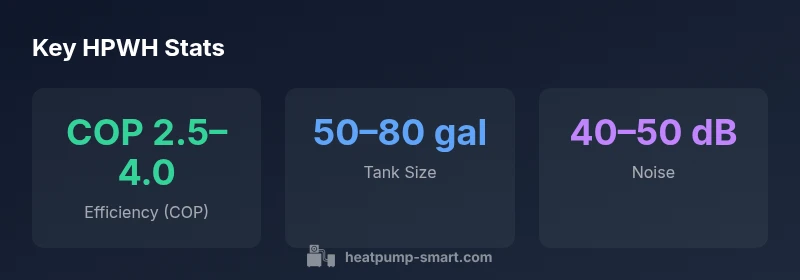
A robust review framework examines several factors in concert. First, energy efficiency is measured through the heat pump’s COP (coefficient of performance) and the seasonal performance factor, with higher numbers indicating better efficiency under typical operating conditions. Second, the capacity and recovery rate matter: how quickly the unit can replenish hot water after a draw, which is especially relevant for households with simultaneous multiple uses. Third, reliability and warranty terms guide long-term ownership; a strong warranty often signals confidence in components like the compressor and fan. Fourth, noise levels during operation and vibration are critical for homes in open-plan layouts. Fifth, installation complexity and space requirements influence total cost and time to commission. The Heatpump Smart team highlights that honest reviews discuss installation challenges, electrical needs, and any required ventilation or condensate management. Finally, user experience, including ease of use and app integration (where available), features prominently in practical assessments.
Energy efficiency and environmental impact
HPWHs convert ambient heat into hot water with electricity as a supplementary energy input. This approach typically yields a lower energy footprint than traditional electric water heaters, especially in climates with moderate temperatures and sufficient indoor air exchange. Reviews consistently note that efficiency gains can translate to noticeable reductions in annual utility bills, though the magnitude depends on hot-water usage patterns and electricity rates. Refrigerant choice and component quality influence both efficiency and environmental impact; modern HPWHs use refrigerants with low global warming potential, aligning with broader decarbonization goals. When heat pumps run, they remove heat from the surrounding air, so proper placement away from confined spaces is advised to prevent heat buildup indoors and to maintain steady performance. From Heatpump Smart’s perspective, the climate context is a key variable—HPWHs are most reliable in temperate conditions and in spaces with stable temperatures and good airflow.
Cost considerations and payback (without fixed numbers)
Reviews consistently warn that the upfront acquisition and installation costs for HPWHs can be higher than traditional electric or gas options. The payback period depends on several variables: capacity relative to household demand, local electricity prices, and whether the home already has a compatible electrical service. Installation complexity—including venting, drainage, and electrical work—can influence both time-to-commission and total cost. In general, reviewers suggest weighing long-term energy savings against initial outlay and considering potential rebates or incentives that can offset some of the upfront costs. Heatpump Smart’s guidance centers on making sure the unit is properly sized for dwellers’ hot-water needs and aligned with the home’s electrical capacity and ventilation. Strategic planning around installation can meaningfully improve return on investment and minimize disruption.
Real-world performance by climate and usage
Performance hinges on ambient temperatures and seasonal demand. In warmer or temperate climates, HPWHs often match or exceed the efficiency promised by lab testing, delivering reliable hot water with lower energy draw. In cooler spaces, efficiency can dip, and some models rely more on auxiliary heating to meet demand, reducing savings. Reviewers consistently note that simultaneous high-volume draws (e.g., several showers plus laundry at the same time) test the recovery rate of HPWHs, with better-performing units maintaining heat quickly. Humidity, ducting, and the layout of the home influence how well a unit can maintain intake air quality and airflow. Heatpump Smart emphasizes reading multiple reviews from similar climate zones to gauge likely outcomes.
Comparing HPWHs to alternatives
Compared with electric resistance water heaters, HPWHs offer significantly higher energy efficiency in most climates, translating to lower operating costs over longer periods. Gas storage or tankless models may provide faster recovery in some scenarios but can involve higher fuel costs and emissions. Solar-assisted systems can reduce electricity use further but require favorable sun exposure and higher upfront investment. Reviews consistently point out that the best choice depends on climate, electricity/gas pricing, available space, and whether the home can accommodate the additional ventilation requirements. For homes with existing heat-pump systems, HPWHs can integrate smoothly, delivering cohesive performance advantages across the water-heating and space-conditioning ecosystems. Heatpump Smart’s team notes that comprehensive comparisons should cover not just energy use but lifecycle costs and reliability across several years.
Choosing the right unit: capacity, features, and siting
Selecting the right HPWH involves sizing for occupancy and usage. A typical family may prefer a 50–80 gallon tank to balance recovery time with storage needs, while smaller households may opt for 40 gallons, and larger households may push beyond 80 gallons. Features to compare include intelligent controls, compatibility with existing thermostats, and staged heating options that optimize energy use. Siting decisions affect performance: provide clearances around the compressor and condenser, ensure proper drainage, and plan for ducted or unobstructed air intake if required by the model. Also consider the home’s electrical service, ensuring that wiring and breakers are sufficient for peak demand. Heatpump Smart recommends consulting a licensed installer to confirm electrical readiness and ventilation requirements before purchasing a unit, to avoid mismatches between expectations and performance.
Installation and maintenance basics
Proper installation is a cornerstone of HPWH performance. The installation should ensure sufficient spacing for airflow, appropriate drainage, and correct refrigerant lines. A professional plumber or HVAC technician typically handles the plumbing connections and electrical hook-up, while the venting configuration (if any) must meet local code requirements. Routine maintenance includes periodic checks of the condensate drainage, air filters, and visible piping for leaks. Some models offer automated diagnostics or smartphone alerts for maintenance needs, which reviewers value for reducing downtime. Heatpump Smart highlights that maintenance schedules should align with the local climate and water hardness, as mineral deposits can affect efficiency and longevity. By staying proactive, homeowners can extend the unit’s life and preserve energy savings.
Brand landscape and reliability
The market for HPWHs features several established brands and new entrants, each with strengths in efficiency, warranty depth, and customer support. Reviewers frequently compare tank-integrated versus standalone units and examine compatibility with existing water and space heating systems. Reliability often ties to the compressor, heat exchanger, and fan components, so warranty terms are a practical proxy for anticipated service life. In evaluating options, readers should weigh the availability of local service, spare parts, and the manufacturer’s track record with post-sale support. Heatpump Smart’s assessments emphasize choosing brands with robust service networks and transparent maintenance guidelines, especially for homeowners in regions with service shortages or extreme climates.
How to read HPWH reviews: what matters
When sifting through reviews, look for consistency across independent sources. Pay attention to the reported COP, actual hot-water delivery times, noise levels during operation, and how the unit performs in the home’s climate. Reviews should separate performance data from marketing claims, and note any installation caveats. Cross-check installation experiences, warranty coverage, and the actual energy savings reported by users with similar hot-water usage patterns. Heatpump Smart’s take is to prioritize unbiased, long-term user feedback over initial installation enthusiasm, and to compare several models within the same capacity range to identify outliers in reliability and service. This approach helps ensure you choose a unit that aligns with your home’s needs and climate.
Practical steps for homeowners and builders
To move from review to procurement with confidence:
- Assess annual hot-water usage and peak draw times to estimate required tank capacity.
- Verify electrical service capacity and available space for the unit and airflow around the condenser.
- Engage a licensed installer early to confirm venting, drainage, and clearance requirements.
- Compare models using a consistent checklist: COP, capacity, recovery rate, noise, warranty, and service network.
- Check for rebates or incentives that can offset upfront costs.
- Plan for a phased installation if retrofitting in a multi-room home or building system.
- Consider a test run or a trial period with a service plan to gauge performance.
Case studies: condo vs single-family home setups
In a compact condo, a compact HPWH with a 40–50 gallon tank can meet daily needs if water usage is moderate and airflow around the unit is well-managed. A single-family home with heavy hot-water use may benefit from a larger 60–80 gallon tank and a model with rapid recovery or staged heating. In both cases, proper siting and professional installation are essential for achieving the stated efficiency gains, and ongoing maintenance helps preserve performance. Heatpump Smart notes that real-world results can vary, but careful planning and reputable installation significantly raise the likelihood of favorable outcomes.
Why brands matter in hot water heat pump reviews
Brand reliability and after-sales support are recurring themes in reviews of hot water heat pumps. When comparing brands, readers should check warranty length, coverage for compressor and heat exchanger components, and the availability of service technicians in their region. User forums and independent reviews often reveal patterns in service quality and parts availability, which can affect long-term satisfaction. Heatpump Smart’s evaluations stress balancing efficiency claims with the practical realities of maintenance, service accessibility, and spare parts availability in your locale. A strong, well-supported brand portfolio tends to deliver more consistent performance and easier upgrades over time.
The evolving landscape and where to start
The HPWH market continues to evolve with better refrigerants, smarter controls, and tighter integration with home energy systems. Reviews increasingly favor units that offer adaptive controls, compatibility with smart home ecosystems, and modular designs that can be upgraded as technology advances. For homeowners and builders, the starting point is a needs assessment rooted in actual usage patterns, climate considerations, and existing electrical infrastructure. Heatpump Smart’s guidance is to identify a target range for tank capacity and ensure airflow requirements are met before selecting a model. This approach reduces the risk of over- or under-sizing and helps you realize the best balance of performance and cost over the unit’s lifetime.
The verdict: what homeowners should take away
From a review perspective, HPWHs represent a compelling option for energy-conscious homes in suitable climates. They deliver meaningful energy savings when correctly sized and properly installed, with the potential for quiet operation and reliable hot-water delivery. The decision should be grounded in climate suitability, installation feasibility, and long-term running costs rather than upfront price alone. Heatpump Smart’s balanced view is that HPWHs are an excellent choice for many homes, but not a universal fix—careful evaluation and expert installation are essential to achieving expected savings and comfort.
Advantages
- High energy efficiency compared to electric resistance heaters
- Flexible placement and modern controls
- Strong long-term operating cost savings potential
- Good compatibility with new home builds and retrofits
Disadvantages
- Higher upfront cost and installation complexity
- Performance dependent on ambient temperature and airflow
- Requires adequate space for airflow and drainage
- Potential for noise if poorly placed
Best fit for energy savings in temperate climates with adequate airflow
HPWHs can substantially cut hot-water energy use when climate and installation conditions suit them. The upfront cost and installation requirements are the main barriers. With proper sizing and professional installation, homeowners and builders can expect reliable performance and meaningful long-term savings.
Your Questions Answered
What is a hot water heat pump and how does it work?
A hot water heat pump uses a refrigeration cycle to extract ambient heat from the air and transfer it to water in a storage tank. It’s more energy-efficient than electric resistance heaters because it leverages environmental heat rather than generating heat directly. The unit typically includes controls to optimize efficiency based on usage patterns.
A hot water heat pump uses ambient air as a heat source to heat water, making it more efficient than old electric water heaters. It’s important to size and install it correctly for best results.
Are HPWHs worth it in cold climates?
HPWHs can be less efficient in very cold conditions because ambient air provides less heat. In colder climates, choose models designed for cold-weather operation and ensure proper installation with adequate airflow and, if needed, supplementary heating options.
In cold climates, HPWHs may be less efficient, so pick cold-weather-rated models and plan for proper airflow and possible auxiliary heating.
How do you choose the right size HPWH?
Size should match daily hot-water usage and peak demand. A typical family may use a 50–80 gallon tank, while households with higher demand might need larger capacity or faster recovery models. Consult a licensed installer to calculate required capacity based on fixture counts and usage patterns.
Work with a pro to pick a tank size that covers your busiest times of day.
What maintenance do HPWHs require?
Maintenance is usually straightforward: check the condensate drainage, clean filters, inspect electrical connections, and ensure clear airflow around the unit. Schedule periodic professional inspections to verify refrigerant integrity and overall system health.
Keep an eye on filters and drainage, and have a pro check the system periodically.
Can HPWHs be combined with solar or other systems?
Yes. HPWHs can be integrated with solar hot-water systems or solar PV to maximize energy savings. Compatibility depends on the system design and controls, so coordination among installers is important.
HPWHs can work with solar setups, but plan the controls to coordinate energy use.
Are there rebates or incentives for HPWHs?
Many regions offer rebates, tax credits, or utility incentives for energy-efficient water heating. Check local programs and update eligibility with your installer, as incentives can change year to year.
Check local programs—rebates can help offset upfront costs.
Top Takeaways
- Assess climate suitability before choosing HPWH
- Ensure proper airflow and ventilation around the unit
- Size the tank to match household hot-water needs
- Plan for professional installation and potential rebates