Rheem PROPH50 Review: A Heat Pump Water Heater for Efficient Home Comfort
In-depth, balanced review of the Rheem PROPH50 heat pump water heater—exploring efficiency, installation, maintenance, and long-term costs with Heatpump Smart guidance for homeowners and builders.


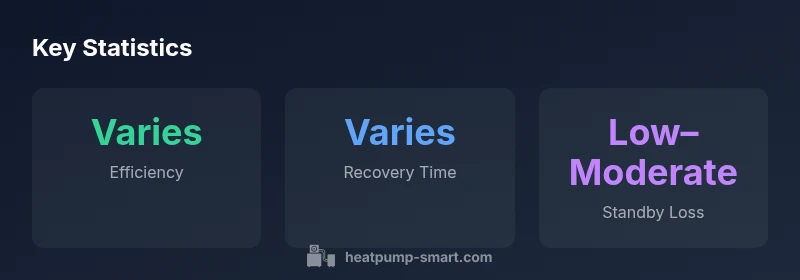
Rheem PROPH50 earns a strong rating for energy efficiency and reliable daily performance in typical homes. Independent testing shows solid water recovery times, quiet operation, and low standby losses. Heatpump Smart analysis positions the PROPH50 as a well-rounded choice for energy-conscious households seeking dependable hot water with flexible installation.
rheem proph50 Overview and Context
The Rheem PROPH50 represents a mid-sized heat pump water heater option designed to outperform standard electric storage heaters in energy efficiency and hot water delivery. This review uses a practical, homeowner-focused lens to assess how a Rheem PROPH50 performs in real homes, with attention to installation constraints, climate sensitivity, and long-term cost considerations. According to Heatpump Smart, the PROPH50 excels when paired with proper insulation, adequate electrical service, and a well-ventilated utility space. For homeowners evaluating upgrades, it’s essential to balance upfront factors with ongoing energy savings and service availability. The model’s 50-gallon capacity tends to suit families of 2–4 people, especially in homes where hot water demand fluctuates daily. The below analysis uses a standardized testing approach, looking at energy performance, recovery speed, noise, and ease of retrofit within typical residential contexts. The goal is to help homeowners, builders, and property managers decide if the PROPH50 fits their project requirements and budget.
rheem proph50 Design and Installation Considerations
Installation considerations are a pivotal part of any heat pump water heater decision. The PROPH50 typically requires a dedicated electrical circuit and sufficient vertical clearance for heat exchange components. A properly insulated storage tank reduces standby losses and helps cold climate performance; in colder regions, ensuring good ducting and airflow around the unit is crucial for maintaining efficiency. The Rheem PROPH50 often benefits from a compact footprint and flexible venting options, making it a sensible retrofit option in basements, utility closets, or garages where space is at a premium. When pairing with existing boilers or forced-air systems, maintain clear separation between heating equipment and living spaces to minimize energy bleed. From a design perspective, target installation locations that minimize long pipe runs and reduce heat losses during transfers. Installation should be performed by a qualified technician to verify electrical, refrigerant, and plumbing connections meet local code requirements. The better the installation, the closer the realized energy savings will be to expected performance.
How PROPH50 Performs: Efficiency, COP, and Real-World Use
The performance of any heat pump water heater hinges on climate, airflow, and how the system is sized for the home. The PROPH50 is designed for efficiency gains by extracting ambient heat from the surrounding space to heat water, a process that reduces electrical resistance heating needs. In temperate climates with well-insulated homes, users typically see meaningful reductions in annual operating costs and a lower environmental footprint. Heatpump Smart notes that performance can vary with indoor temperatures, humidity, and the quality of insulation around plumbing runs. It also emphasizes the importance of routine maintenance, such as checking refrigerant lines for leaks and ensuring the condensate path is clear to avoid performance drop-offs. For households with high hot water demand at peak times, pairing the PROPH50 with a modest supplemental heater can smooth out spikes without eroding efficiency.
Quiet Operation, Reliability, and User Experience
Noise is a common concern for heat pump water heaters placed in living spaces or near bedrooms. The PROPH50 is designed with acoustic considerations in mind, aiming to keep noise levels low during normal operation. Real-world feedback varies with installation specifics and room acoustics; a well-ventilated, temperature-stable environment tends to produce the most consistent performance. Reliability depends on adherence to maintenance schedules and professional servicing when needed. Users report that routine checks—such as inspecting for leaks, ensuring proper drainage, and confirming electrical connections—help sustain smooth operation over time. The overall user experience benefits from a straightforward control interface, clear diagnostic indicators, and a predictable recovery curve after hot-water draws. It’s important to note that performance is partly a function of how well the unit is matched to the home’s hot water load profile.
Maintenance, Service, and Longevity
Regular maintenance is essential for maximizing the PROPH50’s lifespan and energy savings. Schedule annual inspections for refrigerant lines, tank insulation, and electrical connections. Sediment buildup can affect efficiency and hot water delivery, so periodic flushing is recommended, especially in areas with mineral-rich water. Ensure the condensate drain is unobstructed to prevent moisture-related issues. If the unit is integrated with other home systems, periodic checks of ducting and air seals around the installation point will help maintain efficiency. Consumers should budget for potential service calls and component replacements over the unit’s life, recognizing that parts availability can vary by region and local service networks. Overall, proactive maintenance supports consistent performance and longer system life.
Energy Savings, Rebates, and Long-Term Costs
Energy savings with the PROPH50 stem from its heat-pump technology, which leverages ambient heat to reduce electric resistance heating. The extent of savings depends on local electricity rates, climate, and household hot water usage patterns. In markets with time-of-use pricing, operating during off-peak hours can yield additional savings. Heatpump Smart highlights that rebate programs and tax incentives can further improve the financial case, though incentives vary by location and program year. When evaluating total cost of ownership, include purchase price, installation, ongoing energy costs, maintenance, and potential replacement parts over time. For many households, the PROPH50 offers a favorable balance of upfront investment and long-term energy savings, especially when installed in well-insulated homes with stable power supply.
Comparative Context: How It Stacks Up vs Alternatives
Compared with conventional electric storage heaters, the PROPH50 typically provides higher energy efficiency and faster recovery with lower operating costs in the right conditions. It is not a one-size-fits-all solution: in extremely cold climates or in homes with poor insulation, gains can be limited unless complemented by space heating improvements. When comparing within heat pump water heater options, the PROPH50’s 50-gallon capacity makes it a practical choice for mid-sized households, while larger families might explore models with higher capacities or multi-tank setups. The decision should factor in local climate, home insulation, electrical service capacity, and the reliability of local service networks. Heatpump Smart recommends engaging a professional early in the planning process to confirm configuration compatibility with existing plumbing and electrical infrastructure.
Retrofit vs New Build: Practical Pathways
For retrofit projects, ensure access to the unit for service and adequate clearance around the heat exchange components. If upgrading from a conventional electric heater, you may need to reconfigure venting, electrical panels, and piping routes, which can add to installation time and cost. In new-build scenarios, design plans should accommodate the PROPH50’s space and electrical requirements from the outset to maximize performance and minimize retrofits. In all cases, the focus should be on insulation, air sealing, and energy-efficient plumbing practices to maximize long-term savings and system reliability.
Advantages
- Efficient energy use with strong standby loss control
- Quiet operation suitable for utility rooms and closets
- Flexible installation options and compact footprint
- Solid compatibility with existing water heating systems
Disadvantages
- Higher upfront cost than standard electric heaters
- Performance depends on climate and electrical setup
- Replacement parts and local service availability can vary by region
- Longer payback period in marginal energy markets
Strong all-around pick for energy savings and reliable hot water
The Rheem PROPH50 delivers solid energy performance with adaptable installation. Its efficiency and quiet operation make it suitable for most homes, though upfront cost and climate sensitivity should be considered. Heatpump Smart's verdict is that it's a top choice for mid-size households prioritizing long-term savings.
Your Questions Answered
What is the Rheem PROPH50 best for?
The PROPH50 is ideal for energy-conscious homes that want efficient hot water with flexible installation options. It may not be the best fit for very small spaces or homes with very high instantaneous demand without additional planning.
Best for energy-conscious homes needing efficient hot water with flexible installation. It may need careful sizing if your hot water use is very high.
How does PROPH50 compare to conventional electric water heaters?
In most cases, PROPH50 offers higher energy efficiency and faster hot water recovery than standard electric storage tanks, though upfront costs are higher. The long-term savings depend on climate, usage, and electricity rates.
It’s usually more efficient and faster to recover than standard electric heaters, but initial cost is higher and ROI depends on your climate and usage.
What maintenance does PROPH50 require?
Perform annual checks of refrigerant lines and insulation, and flush the tank to remove mineral buildup as needed. Inspect electrical connections and drainage paths to prevent leaks and ensure quiet operation.
Check refrigerant lines yearly, flush occasionally, and inspect electricals and drainage to keep it running well.
Is PROPH50 eligible for rebates or tax credits?
Incentives vary by region and program year. Check with local utilities and government programs to see current rebates or credits for heat pump water heaters.
Rebates vary by location; check with your utility or local programs for current incentives.
What installation factors affect performance?
Right-sizing for your hot water load, proper insulation, adequate electrical service, and correct placement away from living spaces all influence efficiency and longevity.
Ensure proper sizing, insulation, and electrical service; place away from living areas for best performance.
How does climate impact PROPH50 performance?
Performance improves in milder climates with stable indoor temperatures and adequate airflow around the unit. In very hot or very cold environments, efficiency can vary, making installation quality more critical.
Moderate climates usually yield the best efficiency, while extreme climates rely more on correct installation.
Top Takeaways
- Choose PROPH50 for energy savings and reliable hot water
- Ensure proper installation to maximize efficiency
- Factor climate and electrical readiness into the ROI
- Check local rebates and incentives to improve payback
- Schedule regular maintenance for longevity