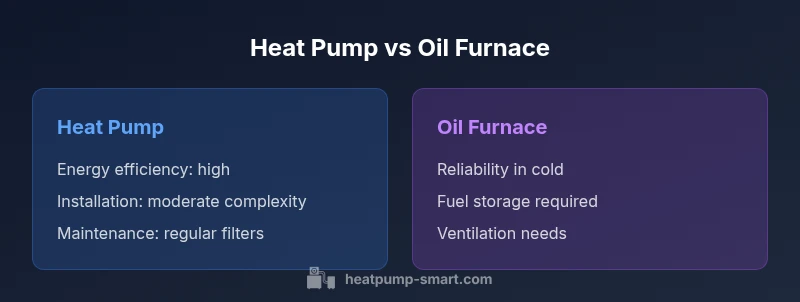
Heat Pump and Oil Furnace: An Objective Comparison
Explore an objective, in-depth comparison of heat pump and oil furnace systems. Learn how each works, where they excel, and how to decide between them for future-proof home heating and energy savings.


Heat pumps excel in efficiency in moderate climates, while oil furnaces provide reliable heating in very cold weather. For many homes, a hybrid approach or retrofit meets both comfort and cost goals. This quick TL;DR compares the two systems, highlights when to choose each, and sets up a framework for deeper analysis.
How the two systems fundamentally differ
The heating landscape often boils down to two distinct approaches: a heat pump, which transfers heat from outside to indoors using electricity, and an oil furnace, which generates heat by burning fuel. The Heat pump and oil furnace comparison hinges on how heat is produced, how energy is transferred, and how each system integrates with a home’s electrical and ductwork infrastructure. Heat pumps move ambient heat rather than create it, delivering warmth with high efficiency when outdoor temperatures are not extreme. Oil furnaces burn fuel to generate heat directly, offering robust warmth in very cold conditions and dependable air temperature control when outdoor temperatures plummet. For many homeowners, this fundamental difference informs longer-term decisions about maintenance schedules, fuel resilience, and potential retrofits. In the Heatpump Smart analysis, the choice often comes down to climate, electricity prices, and the existing heating setup. A thoughtful assessment of these factors helps balance comfort with total lifecycle costs for the home.
How a heat pump works in detail
A heat pump operates on the principle of heat transfer rather than combustion. In its most common form, an outdoor unit collects ambient heat from the air and concentrates it for indoor distribution, while a indoor coil and blower distribute warm air or hot water through the home. Modern heat pumps employ reverse refrigeration cycles to transfer heat efficiently, and many models are paired with air handlers or ducted systems. In a Heatpump Smart assessment, this technology delivers high efficiency in moderate climates and can be supplemented with electric resistance or fossil-fuel back-up during cold snaps. When comparing heat pump and oil furnace, it’s important to note that heat pumps depend on electricity, so reliability and electrical capacity are relevant planning considerations. If your home has excellent insulation and a well-sealed envelope, a heat pump can provide comfortable warmth at lower energy costs with fewer emissions overall.
How an oil furnace operates and its typical setup
Oil furnaces are combustion-based heating systems that burn heating oil to produce heat. The furnace heats air, which is distributed through ductwork to maintain indoor temperatures. Oil furnaces have historically provided robust warmth in cold climates and are valued for their predictability when temperatures drop well below freezing. A modern oil furnace can achieve strong heating performance and reliable operation, especially in regions where electricity prices are high or grid reliability is a concern. When evaluating the heat pump and oil furnace options, homeowners should consider ventilation, fuel storage, and the year of the building’s ductwork, which influence installation costs and long-term maintenance. In many homes, a retrofit to integrate an efficient oil furnace with existing ductwork remains a practical path if heat pump viability is limited by climate or electrical constraints.
Climate considerations: where each shines
Climate plays a central role in deciding between a heat pump and an oil furnace. Heat pumps are particularly effective in mild to moderate climates where outdoor air temperature rarely dips far below freezing. They provide consistent comfort with lower operating costs when electricity prices are reasonable and the home is well-insulated. Oil furnaces, on the other hand, maintain reliable warmth during very cold winters and can outperform heat pumps in extreme cold when additional back-up heating is not available. For homes in seasons with sharp temperature swings, a hybrid system—combining a heat pump with a fuel-fired backup—often yields the best balance of comfort and cost efficiency. The Heatpump Smart framework emphasizes evaluating local climate data, typical winter design temperatures, and the building envelope before selecting heat pump and oil furnace configurations.
Energy efficiency and cost implications: qualitative view
Energy efficiency and cost are two sides of the same coin when comparing heat pump and oil furnace options. A heat pump generally delivers greater energy efficiency in moderate climates due to its ability to move heat rather than burn fuel, reducing annual energy use per heated square foot. Oil furnaces deliver strong heat output and can be exceptionally reliable in very cold weather, though fuel costs and delivery logistics may raise ongoing expenses. When weighing the two, consider not only the current electricity and oil prices but also future price volatility, maintenance needs, and potential incentives. A hybrid approach—operating a heat pump most of the year with a back-up oil furnace for peak demand—can offer reliable comfort while optimizing annual energy consumption and reducing environmental impact over time.
Installation considerations: space, ductwork, and integration
Installation considerations often determine the feasibility and total cost of heat pump and oil furnace options. Heat pumps require outdoor space for the condenser unit and adequate indoor space for air handlers or boilers, plus ductwork compatibility for central heating. If a home already has ductwork, a heat pump can often be integrated with existing infrastructure, though some upgrades may be necessary for optimal performance. Oil furnaces require secure fuel storage, proper venting, and space for the furnace itself. In retrofit projects, aligning duct design, electrical capacity, and gas- or oil-supply lines with a chosen system is critical. An integrated assessment helps identify potential bottlenecks and ensures a smooth transition from an old system to a modern heat pump and oil furnace combination where appropriate.
Installation complexity and upfront considerations
Beyond the physical footprint, the installation complexity for heat pumps and oil furnaces involves electrical service upgrades, potential refrigerant line routing, duct renovations, and venting requirements. A heat pump system may demand a reliable outdoor electrical feed and a controller compatible with smart thermostats. An oil furnace installation calls for a safe, leak-free oil supply and an appropriate venting arrangement. While heat pumps often yield quicker payback through energy savings, oil furnaces can require more substantial ongoing fuel costs tied to market prices. When planning, homeowners should secure professional assessments from qualified contractors, obtain multiple quotes, and ensure permits and code compliance. A careful comparison of installation timelines and long-term maintenance expectations helps in choosing the heat pump and oil furnace combination that best fits the home’s needs.
Maintenance, reliability, and lifespan expectations
Maintenance schedules for heat pumps and oil furnaces differ in focus but share a common goal: maintain safe, efficient operation. Heat pumps require regular filter changes, coil cleaning, and periodic refrigerant checks, with attention to outdoor unit protection and debris removal. Oil furnaces demand annual tune-ups, burner adjustments, and flue or vent inspections to ensure safe operation and clean combustion. In terms of lifespan, both systems can perform for a decade or more with proper care, though heat pumps may experience more frequent component replacements (compressor, reversing valve) over longer terms. The decision to invest in a heat pump and oil furnace system should account for expected maintenance costs, system accessibility for service, and the homeowner’s tolerance for periodic upkeep. In the Heatpump Smart framework, proactive maintenance yields predictable performance and helps maximize the home’s comfort level.
Environmental impact and emissions considerations
From an environmental perspective, heat pumps offer advantages in terms of emissions when electricity is generated from low-carbon sources. They also reduce direct combustion emissions in the home. Oil furnaces emit combustion byproducts and rely on fossil fuels, contributing to greenhouse gas emissions depending on the fuel mix and efficiency. Choosing between a heat pump and oil furnace involves assessing not only immediate heating needs but also long-term environmental goals and local energy infrastructure. In regions with decarbonization incentives, heat pump adoption may align more closely with policy goals and utility programs. The Heatpump Smart team highlights that improving home insulation and envelope tightness magnifies the environmental benefits of either system by reducing overall heating demand.
Hybrid strategies and retrofit options: balancing performance
Hybrid strategies combine the strengths of both technologies to address climate variability and energy costs. A common approach is a heat pump as the primary heating source with a fuel-fired back-up (oil furnace or gas furnace) for the coldest days. Retrofit options may involve upgrading ducts, improving insulation, and integrating smart thermostats to optimize operation. For homes with existing oil-fired systems, considering a staged transition—replacing aging components gradually or installing a heat pump in a separate zone—can spread costs and minimize disruption. The Heatpump Smart guidelines emphasize evaluating local weather patterns, electrical capacity, and the feasibility of hybrid control strategies to achieve reliable comfort with sustainable energy use.
A practical decision framework: step-by-step
To choose between heat pump and oil furnace, start with a climate and envelope assessment, followed by a durability and cost-balance review. Step one: measure winter design temperatures and typical daily temperature swings for your area. Step two: assess the home’s insulation, air leakage, and ductwork condition. Step three: evaluate electricity tariffs and potential fossil fuel price volatility. Step four: solicit multiple contractor quotes, focusing on system performance, installation complexity, and warranty terms. Step five: consider hybrid configurations if your climate experiences cold snaps that challenge heat pump efficiency. This framework helps homeowners move from general impressions of heat pump and oil furnace to a data-informed decision about the most suitable heating solution for their home.
Common misconceptions and pitfalls to avoid
There are several common myths when comparing heat pump and oil furnace options. One is that heat pumps perform equally well in all climates; in reality, performance can degrade in extreme cold without supplementary heat. Another misperception is that oil furnaces are always expensive to operate; fuel costs fluctuate with market dynamics and regional supply. A third pitfall is assuming that the most efficient system on paper will deliver the best real-world performance without considering installation quality, home envelope, and local incentives. The Heatpump Smart approach emphasizes a holistic evaluation: climate, home insulation, existing ductwork, energy prices, maintenance considerations, and future-proofing opportunities.
Case studies and practical takeaways
Real-world scenarios show a range of outcomes depending on climate, home design, and energy prices. In milder regions, a heat pump or hybrid system often delivers comfortable warmth with lower energy use, especially when combined with smart thermostats and good insulation. In areas with consistent severe winter temperatures and higher oil prices, an oil furnace or a hybrid with a back-up heat source can maintain peak comfort while managing monthly costs. A practical takeaway from the Heatpump Smart framework is to begin with a thorough energy audit of the home, evaluate the envelope and air leakage, then use climate data to guide the heat pump and oil furnace decision. This method reduces the risk of overspending on equipment that underperforms in your specific climate.
Comparison
| Feature | Heat pump | Oil furnace |
|---|---|---|
| Energy efficiency | Very high efficiency in moderate climates; performance reduces in extreme cold without supplemental heat | High efficiency for cold climates; robust heat output in very cold weather |
| Operating costs | Lower energy use in mild winters when electricity is favorable | Fuel costs subject to market volatility; consistent heat in cold snaps |
| Installation complexity | Outdoor unit and indoor air handler; ductwork critical | Fuel storage, venting, and dedicated furnace installation |
| Maintenance needs | Filter changes, coil cleaning, refrigerant checks | Annual burner tune-ups, vent inspections, and chimney maintenance |
| Climate suitability | Best in mild to moderate climates; compatible with hybrids for very cold days | Best in very cold climates or where electrical reliability is a concern |
Advantages
- Lower energy bills in mild climates when powered by clean electricity
- Lower greenhouse gas emissions with renewable electricity
- Flexibility to use hybrid configurations for variable winters
- Improved home comfort with modern controls and zoning options
Disadvantages
- Higher upfront costs and potential ductwork upgrades
- Performance drops for heat pumps in extreme cold without backup
- Oil prices can be volatile and influence long-term operating costs
- Maintenance requires regular service visits and venting checks
Heat pump generally wins in moderate climates; oil furnaces remain strong in very cold climates
For milder regions, prioritize heat pumps or hybrids to maximize efficiency. In very cold climates or where grid reliability and fuel access vary, oil furnaces provide robust, dependable warmth with careful fuel management.
Your Questions Answered
What is the main difference between a heat pump and an oil furnace?
A heat pump transfers heat using electricity, delivering warmth with high efficiency in moderate climates. An oil furnace generates heat by burning fuel, delivering strong warmth in very cold conditions. The choice depends on climate, electricity prices, and existing infrastructure.
A heat pump moves heat using electricity, which is efficient in milder weather. An oil furnace creates heat by burning oil, which is reliable in very cold weather. Climate and energy costs drive the best choice.
Can a home switch from an oil furnace to a heat pump?
Yes, many homes retrofit to a heat pump or a hybrid system. The process involves assessing insulation, ductwork, and electrical capacity, plus potential back-up heating for cold snaps. A professional assessment will determine feasibility and cost.
Yes, you can switch to a heat pump or hybrid, but you’ll need to check insulation, ducts, and electrical capacity with a pro.
Which is better for very cold climates?
Oil furnaces often maintain dependable warmth in very cold weather, while heat pumps may require supplemental heating. Hybrid systems can balance efficiency and cold-weather performance by switching between heat pump and oil furnace as needed.
Oil furnaces perform reliably in very cold weather, while heat pumps may need backup heat or a hybrid in cold climates.
Do heat pumps require ductwork?
Most air-source heat pumps pair with existing ductwork, but some installations use ductless options or mini-splits. If your system is ducted, ensure ducts are sealed and appropriately sized for even distribution.
Heat pumps can use existing ducts or be ductless; sealing and sizing ducts is important.
What maintenance is required for heat pumps?
Regular filter changes, system inspections, and coil cleaning help maintain efficiency. Annual professional checks on refrigerant and controls support long-term reliability.
Keep filters clean, schedule annual service, and have a pro check refrigerant and controls.
Are there hybrid options that combine both systems?
Yes. Hybrid systems pair a heat pump with a fuel-fired backup (oil or gas) to optimize efficiency while ensuring warmth during severe cold. They can reduce total energy costs depending on climate and usage patterns.
Hybrid systems combine heat pumps with a backup fuel furnace to balance efficiency and cold-weather warmth.
Top Takeaways
- Assess climate and home envelope before choosing
- Consider a hybrid setup for optimal comfort and efficiency
- Factor in installation, maintenance, and fuel costs
- Plan for future upgrades and potential incentives
- Prioritize professional assessments and multiple quotes