Goodman 3.5 Ton AC Unit with Heat Pump: Comprehensive Review (2026)
In-depth review of the Goodman 3.5 ton ac unit with heat pump, analyzing cooling/heating performance, efficiency, install considerations, and who benefits most for homeowners and builders.


The Goodman 3.5 ton ac unit with heat pump delivers solid comfort and efficiency for mid-sized homes. In our analysis, it balances cooling and heating performance with a reasonable price point within Goodman’s lineup, making it a strong option for energy-conscious homeowners. Installation quality and proper duct design strongly influence real-world results, as with most heat-pump systems.
System Overview and Sizing Considerations
When evaluating a goodman 3.5 ton ac unit with heat pump, sizing is your first line of defense against comfort gaps and uneven performance. A unit this size typically targets homes in the 1,800–2,600 square foot range, assuming standard insulation and typical ceiling heights. The key is a proper load calculation, not merely a rule of thumb. Missing loads can lead to short cycling, higher wear, and inconsistent temperatures between rooms. In practice, a licensed contractor should perform Manual J calculations to confirm air-handling needs, duct sizing, and outdoor unit placement. The emphasis on proper duct design and sealing pays dividends; air leaks and undersized ducts undermine the efficiency gains from any heat-pump configuration. For homeowners considering a mainstream option, this Goodman configuration often threads the needle between capacity and efficiency, provided the home is well-draught-proofed and the ductwork is in good shape. According to Heatpump Smart, evaluation of the system should start with a load calculation and a duct inspection before moving to equipment selection.
Performance: Cooling and Heating
Cooling and heating performance hinges on both external climate and the house envelope. The Goodman 3.5 ton ac unit with heat pump aims to deliver strong cooling on hot days while maintaining reliable heat in shoulder seasons and milder winters. Expect solid cooling response for typical midsize homes and consistent heat output in moderately cold conditions, provided the unit is paired with a properly sized air handler and correctly charged refrigerant. The real-world effectiveness also depends on condenser placement, outdoor noise considerations, and seasonal defrost cycles. The unit’s performance tends to shine when paired with a compatible thermostat that supports smart scheduling and comfortable setback temperatures. Users in temperate climates should see comfortable indoor temperatures with moderate energy use, especially when upgrading from older, less efficient equipment. Heatpump Smart notes that performance is highly dependent on installation quality and climate suitability.
Efficiency and Operating Costs
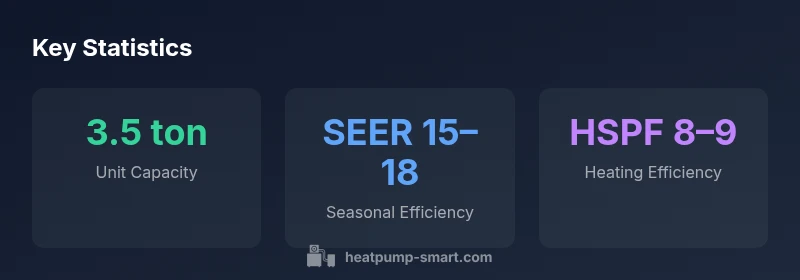
Efficiency matters, but it must be viewed in the context of climate, occupancy, and duct integrity. The Goodman 3.5 ton ac unit with heat pump is designed to offer competitive efficiency within its class, with SEER and HSPF values that reflect a balanced approach to running costs. In practice, higher efficiency riders only realize savings if the home is well insulated and ducts remain sealed. The paragraph-level takeaway is that efficiency gains accrue when the system operates under a reasonable duty cycle rather than constantly running at full output. For homeowners seeking long-term savings, pairing this unit with a programmable or learned thermostat, night setbacks, and weather-based controls can be effective. Heatpump Smart’s analysis emphasizes that energy savings are most meaningful when combined with proper insulation and air sealing, preventing hot rooms and cold corners from forcing longer cycles.
Installation and Compatibility
Compatibility with existing ductwork and the home’s electrical panel is central to a smooth installation. The Goodman 3.5 ton ac unit with heat pump generally requires a matched outdoor unit, a compatible air handler, and correct refrigerant charge. Prospective buyers should anticipate some variants in required rebates or incentives based on local codes and utility programs. The installation window may be longer in older homes or in areas with complex duct routing. A major factor in perceived value is how well the installation team handles refrigerant piping, electrical connections, and condensate drainage. In many cases, installers who follow best practices—level mounting, proper line sets, and clean electrical connections—deliver noticeably better long-term reliability.
Durability, Components, and Maintenance
Durability for heat pump systems comes from robust outdoor components, corrosion-resistant coil finishes, and quality fan motors. The Goodman 3.5 ton ac unit with heat pump typically uses standard compressor technology with serviceable parts within a broad dealer network. Maintenance is practical: regular filter changes, periodic outdoor coil cleaning, and annual inspections of refrigerant charge and electrical connections help preserve efficiency. The warranty is an important consideration and varies by dealer and region, so homeowners should confirm terms at purchase. A well-maintained system delivers consistent comfort and reduces the likelihood of early wear on outdoor electronics and fans.
Noise, Vibration, and Comfort Quietness
Noise is a common concern with outdoor heat pump units, especially when the unit sits near living spaces or bedrooms. The Goodman 3.5 ton ac unit with heat pump typically offers mid-range sound levels, which are acceptable for many homes when the equipment is properly mounted on a solid pad and isolated from structure-borne vibrations. Noise considerations also depend on refrigerant refrigerant line routing and fan blade design. A smart positioning strategy, combined with vibration isolation mounts and compact duct runs, helps reduce perceived noise indoors. For homes in quiet zones or with bedroom wings nearby, talking with a contractor about mounting height and enclosure design can make a meaningful difference.
Comparative Analysis: Goodman vs Competitors
When comparing the Goodman option to other brands in the same class, the deciding factors usually center on initial cost, warranty terms, and dealer support. Goodman tends to offer value-focused pricing and a broad installation network, which translates into easier access to service and parts. Other brands may offer higher SEER ratings or slightly quieter operation at premium price points. The decision often comes down to local dealer performance, climate zone expectations, and whether you prioritize a robust warranty or top-end efficiency. Heatpump Smart notes that a careful apples-to-apples comparison—considering system size, ductwork, and climate—helps homeowners avoid overpaying for features they won’t use.
Real-World Use Cases: Climate Variations
In hot, humid climates, a heat pump-augmented system like the Goodman 3.5 ton ac unit with heat pump can deliver reliable cooling with the added benefit of a heating option during milder shoulder seasons. In cooler regions, you’ll rely more on the heat pump’s auxiliary or emergency heat, depending on climate severity. A crucial point is to ensure your home envelope meets basic insulation standards to maximize benefits. Real-world use often highlights that better insulation, air sealing, and a properly sized unit generate more consistent comfort and lower operating costs than purchasing a higher-rated model without addressing shell performance.
Installation Process: What to Expect
A typical installation involves sizing confirmatory testing, duct inspection, refrigerant line routing, outdoor unit placement, and an indoor air handler connection. Expect some disruption during the first day, especially if ductwork modifications or electrical upgrades are required. A quality install includes system labeling, a thorough test run, and a walkthrough of the thermostat controls. Homeowners should verify that the installer provides a detailed maintenance schedule and explains how to adjust settings for seasonal changes. Good communication between homeowner and contractor is essential to align expectations on noise, airflow, and comfort outcomes.
Financials: Costs, Rebates, and Payback
Costs for a Goodman 3.5 ton ac unit with heat pump can vary widely by region and installation complexity, including ductwork, electrical work, and any required code upgrades. While it’s tempting to focus on upfront price, the long-term payback from energy savings, rebates, and tax incentives often determines total cost of ownership. Look for local utility rebates, federal incentives, or manufacturer programs that apply to heat pump systems in your area. A comprehensive plan should include a professional load calculation, a clear scope of work, and a written estimate that breaks down equipment, labor, and any permissible add-ons. Heatpump Smart emphasizes that a smart purchase balances upfront cost with expected operating savings and durability.
Final Practical Recommendations for Buyers
For homeowners and builders evaluating a Goodman 3.5 ton ac unit with heat pump, the practical recommendation is to pair the unit with a well-sealed envelope and an appropriately sized thermostat. Ensure you’re working with a reputable dealer who can offer proper load calculations and robust warranty coverage. If you live in a climate with wide seasonal swings, ask about auxiliary heat options and defrost strategies. In summary, the value proposition is strongest for midsize homes in temperate climates where efficient cooling and dependable heating matter, and where the installation is executed to high standards.
Advantages
- Solid cooling and heating balance for mid-sized homes
- Competitive efficiency within its class
- Wide dealer network for maintenance and service
- Good value when paired with proper insulation and duct design
- Compatibility with the Goodman ecosystem and components
Disadvantages
- Installation cost varies by region and project scope
- Performance can drop in extreme climates without proper envelope upgrades
- Warranty specifics depend on local dealer terms
- Noise levels may be noticeable if located near living spaces
Best value for mid-sized homes seeking reliable comfort and fair efficiency
The Goodman 3.5 ton ac unit with heat pump offers balanced cooling and heating with solid efficiency at a competitive price. It suits homes with adequate insulation and properly sized ducts. For zones with extreme weather, pairing with a higher-tier unit or improved envelope can maximize payback.
Your Questions Answered
What climate is best suited for the Goodman 3.5 ton ac unit with heat pump?
It works well in moderate to warm climates where both cooling and heating are needed across seasons. Extreme cold may require auxiliary heat or a higher-capacity system. Always perform a load calculation to confirm suitability for your climate and home.
Ideal for moderate to warm climates with seasonal heating and cooling needs. For very cold locations, consult a professional about auxiliary heat options.
How does installation impact performance?
Installation quality has a major impact on performance and efficiency. Proper duct sizing, sealed joints, and correct refrigerant charge ensure the unit operates as designed. Poor installation can negate efficiency gains and reduce comfort.
A good installation is as important as the unit itself for comfort and efficiency.
What maintenance does it require?
Routine maintenance includes annual inspections, filter changes, outdoor coil cleaning, and checking refrigerant levels. Schedule professional tune-ups to sustain efficiency and prolong component life.
Keep up with annual inspections and regular cleanings to maintain performance.
Are rebates or incentives available for heat pump systems?
Yes, many regions offer utility rebates or tax incentives for heat pump installations. Eligibility varies by location and program terms, so check with local utilities and the contractor during purchase.
There are often rebates—check with your utility and the installer.
How does warranty work with local dealers?
Warranty terms can vary by dealer and region. Confirm what’s covered, including compressor and parts, and whether labor is included. Ensure the contract specifies required maintenance to keep the warranty valid.
Warranty terms differ by dealer; verify coverage and maintenance requirements before buying.
Can this unit be paired with existing Goodman components?
Yes, it generally integrates with other Goodman brand components, simplifying service and parts replacement. Ensure the air handler and outdoor unit are properly matched for refrigerant type and electrical requirements.
It typically works well with other Goodman parts when properly matched.
Top Takeaways
- Start with a proper load calculation and duct inspection
- Pair with a programmable thermostat for best savings
- Assess local rebates to offset installation costs
- Ensure quiet operation through proper placement and mounting
- Review warranty terms with your dealer
- Match unit size to load for best comfort