Goodman R32 Heat Pump Review: Efficiency, Installation, and Value
In-depth, data-driven review of the Goodman R32 heat pump, exploring refrigerant advantages, installation considerations, performance in real-world conditions, and long-term costs for homeowners, builders, and property managers.


Overview and Context
The goodman r32 heat pump represents a mid-range option in the heat pump market, designed to balance upfront cost with steady year-round performance. For homeowners, builders, and property managers evaluating air-source systems, it offers a familiar installation footprint and a refrigerant strategy that aims to reduce environmental impact without sacrificing reliability. According to Heatpump Smart, the R32 model family often appeals to projects that require a practical blend of efficiency, ease of service, and regional availability. In this section, we set the stage by describing where the Goodman lineup fits in the broader market and what you should expect from a unit labeled as R32-based.
Refrigerant Choice: Why R32 Matters
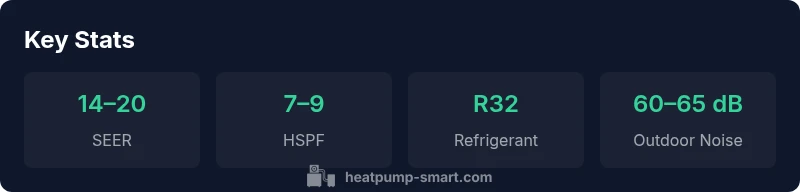
R32 refrigerant is lighter on the environment than older hydrofluorocarbon blends, with a lower global warming potential when used correctly. For a Goodman system, choosing R32 typically means reduced charge requirements and a cleaner refrigerant cycle, provided that installation practices follow manufacturer guidelines. The R32 choice also impacts handling, training needs for technicians, and potential future reuse or refrigerant recycling. Homeowners should work with certified contractors who can safely recover and service R32 when needed, ensuring that the system maintains peak efficiency over time.
Design and Build Quality
Goodman’s R32 heat pump family generally features a compact outdoor unit with a dependable scroll or inverter-driven compressor, designed to minimize vibration and noise. The coil design and corrosion protection matter in coastal or harsh environments, and many models include protective coatings and fan blade geometries intended to improve durability. In practice, a well-constructed outdoor cabinet reduces dirt ingress and helps maintain performance, while a properly chosen indoor air handler or ducted distribution keeps airflow balanced. This section outlines build quality cues contractors look for, including refrigerant lines, electrical harnessing, and warranty terms that influence long-term maintenance.
Efficiency and Performance: Real-World Output
Efficiency for R32-equipped Goodman systems is largely tied to the inverter-driven compressor and the size of the unit relative to the space it serves. The best outcomes come from proper load matching and correct seasonal settings, especially in climates with hot summers or cold snaps. Expect consistent cooling in warmer months and reliable heating during shoulder seasons when the system operates in longer, lower-capacity cycles. Note that performance varies with duct sealing, insulation, and thermostat controls; smart controls can help the system modulate output to maintain comfort while limiting energy waste.
Sizing, Installation, and Compatibility
Sizing is critical with any heat pump, and the Goodman R32 line is no exception. A correctly sized system avoids short cycling and ensures efficient operation across weather conditions. Installation considerations include proper refrigerant charge, line insulation, electrical supply adequacy, and a well-sealed duct network. Compatibility with existing thermostats, zoning, and smart-home integration can influence convenience and energy savings. The installer should verify refrigerant piping lengths, airflow requirements, and access for future serviceability to maximize performance.
Operating Costs and Maintenance: What to Expect
Operating costs hinge on energy prices, climate, and how well the system is installed and maintained. Regular maintenance—such as filter changes, coil cleaning, and periodic refrigerant checks—helps sustain efficiency and HVAC comfort. A Goodman R32 system can offer competitive running costs when paired with a well-insulated home and correctly sized equipment. Homeowners should budget for scheduled service and potential refrigerant recharges, as well as periodic fan and motor assessments to prevent performance degradation over time.
Reliability and Warranty Considerations
Reliability for Goodman R32 units is closely tied to installation quality and regional support infrastructure. Warranty terms vary by model line, installer, and region, so it’s essential to review official documentation before purchase. Reputable dealers provide guidance on maintenance intervals, part availability, and service turnaround times. When evaluating any heat pump, consider the reputation of local service technicians, access to replacement parts, and the manufacturer’s commitments to long-term performance.
Comparisons with Alternatives: Where It Stands
Compared with some premium brands, Goodman R32 systems typically offer favorable value for homeowners who prioritize upfront affordability and straightforward installation. In terms of refrigerant strategy, R32 offers environmental benefits over older refrigerants but requires careful handling by trained technicians. When stacked against other mid-range lineups, the decision often comes down to regional availability, contractor familiarity, and the specific climate zone. This section highlights practical trade-offs to help you choose between Goodman and alternatives for your project.
Installation Timeline and Practical Steps
From planning to commissioning, a typical Goodman R32 installation follows a sequence: load calculation and site assessment, equipment selection, outdoor unit placement, refrigerant piping and electrical work, indoor air-handling integration, commissioning, and a post-installation check. Expect a window of several hours to a couple of days depending on existing ductwork, required zoning, and permits. A trained installer will confirm refrigerant charge, test controls, and demonstrate thermostat programming for optimal efficiency.
Real-World Scenarios: Homes and Projects That Benefit
Residential renovations with moderate heating/cooling loads, older homes with careful insulation upgrades, and light-commercial spaces that need dependable climate control can benefit from Goodman R32 systems. The refrigerant choice helps reduce environmental impact without forcing a complete system replacement. For property managers, the predictable service footprint and broad dealer network can simplify budgeting and maintenance scheduling across multiple units.
Common Myths and Misconceptions
Common myths around R32 include claims of universal ease of maintenance or guaranteed year-round efficiency in all climates. In reality, performance depends on proper sizing, duct design, and climate. Another misconception is that all R32 systems are inherently more expensive to service; while some regions require specialized training, qualified technicians can service most Goodman units with standard recovery equipment. This section debunks these myths with practical guidance.
Smart Controls, Zoning, and Future-Proofing
Modern Goodman R32 installations often pair with smart thermostats and zoning strategies to maximize comfort and efficiency. Consider how future home upgrades—such as improved insulation, solar offsets, or enhanced filtration—will interact with the heat pump. Planning for expansion, battery storage compatibility, and remote monitoring can future-proof your investment and simplify ongoing maintenance.