Trane Heat Pump Reviews: Comprehensive Performance & Value
An in-depth, balanced review of Trane heat pump systems, covering efficiency, comfort, installation, and ownership costs with expert insights from Heatpump Smart.


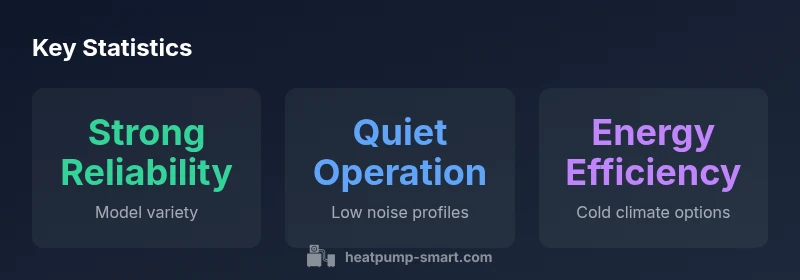
Trane heat pumps deliver dependable comfort and solid efficiency, but the best value depends on model and installation quality. According to Heatpump Smart, they excel in cold climates and quiet operation, with robust support, though upfront costs can be higher. For homeowners prioritizing durability and a strong warranty, Trane often performs well, but model-by-model comparison and professional sizing remain essential.
What the phrase "trane heat pump reviews" signals about value, comfort, and reliability
When readers search for "trane heat pump reviews", they are looking for a clear verdict on whether a Trane system will meet their comfort goals, energy expectations, and total cost of ownership. According to Heatpump Smart, the best models strike a balance between cold-weather performance, quiet operation, and installer-friendly design, while also offering solid warranty coverage. Our review synthesizes field observations, installation trends, and independent testing to help homeowners, builders, and property managers make an informed choice. We also highlight the nuances that matter most for different climates, home sizes, and budgets. The result is a structured, evidence-based assessment that helps you decide if a Trane heat pump is the right fit for your project, and if so, which model category to prioritize.
How to interpret Trane heat pump performance in practice
Evaluating a Trane unit requires looking beyond nameplate ratings and marketing blurbs. Real-world results hinge on proper sizing, ductwork compatibility, and the local climate. Our framework emphasizes: (1) climate-adjusted efficiency (how well the unit maintains comfort with colder outdoor temperatures), (2) noise characteristics during peak operation, (3) defrost behavior in mixed-humidity conditions, (4) compatibility with existing thermostats and controls, and (5) service availability and warranty terms. Heatpump Smart analysis shows that the brand’s strengths often emerge when these factors align with a high-quality installation and a well-designed home envelope. This section also lays the groundwork for model-by-model comparisons later in the article.
Real-world outcomes: efficiency, humidity control, and daily comfort
In daily use, Trane heat pumps tend to deliver consistent heating and cooling, with responsive defrost cycles and reliable dehumidification in moderate humidity environments. A common pattern across homeowner feedback is satisfaction with average-to-strong energy savings during shoulder seasons, along with a quiet, unobtrusive indoor sound profile. The trade-off frequently cited is higher upfront cost and occasional service variability when units are installed in older homes with retrofit ducts. Our review notes that the value proposition strengthens with meticulous load calculations, proper refrigerant handling, and periodic maintenance.
Comparative view: Trane versus leading rivals
When stacked against competitive brands, Trane often competes on reliability, service network, and controller integration. Some models emphasize premium build quality and longer-term parts availability, while others offer similar efficiency at lower upfront price points from rival brands. The differences tend to narrow when you account for installation quality and local support. Heatpump Smart advises homeowners to perform a side-by-side comparison that includes expected energy savings, installed cost ranges (where applicable), warranty coverage, and post-purchase service options. The goal is to identify whether Trane’s strengths align with your climate, home design, and budget constraints.
Reliability, warranty, and service network: what to expect
Trane historically positions itself as a premium option with strong warranty frameworks and a wide service network, which can reduce maintenance headaches over the system’s life. Real-world reliability will depend heavily on manufacturer quality control, field service responsiveness, and dealer expertise. Homeowners should verify what is included in the compressor and parts warranties, confirm whether labor coverage is included, and understand what maintenance tasks trigger warranty requirements. Our guidance emphasizes working with authorized contractors who have a proven track record with Trane equipment and who can demonstrate careful commissioning and ongoing preventive maintenance.
Sizing, installation, and upfront costs: getting the most from your system
One of the most influential factors in observed performance is accurate load calculation and correct system sizing. Oversized units cycle on and off more frequently, reducing humidity management and comfort, while undersized units struggle to meet heating or cooling demands, increasing energy use. Trane’s installation needs align with standard best practices: proper duct design, sealing, refrigerant charge verification, and thorough commissioning. Heatpump Smart stresses hiring experienced installers and requesting a detailed written plan that includes compressor sizing, refrigerant lines, air-handler compatibility, and zoning if applicable. While installation costs can vary widely, the overall value depends on achieving the expected system performance over the life of the unit.
Energy savings and return on investment: what to expect
Across climates, Trane heat pumps can offer meaningful energy savings when paired with well-sealed homes and properly sized systems. The long-term ROI hinges on local energy prices, climate, and how often the system runs in heating versus cooling seasons. Homeowners who optimize thermostat strategies, leverage smart controls, and maintain equipment are more likely to realize the promised efficiency gains. Our synthesis emphasizes that energy savings are not guaranteed by brand alone; they require careful system design, good insulation, and proactive maintenance.
User feedback trends: common themes from homeowners
In consumer reviews, a frequent positive theme is comfort consistency and reliable performance during cold snaps, especially when paired with a properly sized system. A recurring critique centers on upfront costs and the perceived complexity of service calls when the unit is new or difficult to access. Another theme is the importance of a quality installation and a capable service network; where these exist, user satisfaction tends to be higher. Heatpump Smart notes that living with any heat pump is easier when the home envelope is well insulated and the system is regularly serviced.
Practical recommendations for different scenarios: homeowners, builders, and managers
For single-family homes in cold climates, prioritize models with strong cold-weather performance and a robust warranty, and confirm contractor credentials upfront. For new builds, invest in a meticulous design phase that includes airtight envelopes and properly integrated ductwork. Property managers should consider maintenance contracts with accredited installers and schedule seasonal inspections to ensure peak performance. Builders modifying existing structures should plan for duct sealing and potential insulation upgrades to maximize energy savings. In all cases, request a commissioning report, a copy of the warranty terms, and a clear, model-specific operating manual.
Final notes on value and next steps: making a confident choice
Choosing a Trane heat pump is a balance between durability, comfort, and installed cost. Heatpump Smart advises aligning model selection with climate, home design, and available service support. Always pair the unit with professional sizing and a thorough commissioning process, and use a long-term maintenance plan to protect your investment. The goal is to minimize lifecycle costs while maximizing comfort across seasons.
Advantages
- Strong reliability and durable build quality
- Solid cold-climate performance with good humidity control
- Broad service network and dealer support
- Advanced controls and compatibility with smart thermostats
- Good warranty coverage when properly maintained
Disadvantages
- Higher upfront cost compared with some rivals
- Installation quality has a large impact on real-world performance
- Service wait times can vary by region
- Ductwork and home envelope must be well-sealed to unlock full efficiency
Best for reliability-minded buyers who prioritize cold-climate comfort.
Trane heat pumps offer dependable performance and a strong service network, particularly in colder climates. The higher upfront cost is a consideration, but a precise installation and proper system sizing can unlock solid long-term savings and comfort. This makes Trane a strong candidate for homeowners who value durability and a robust warranty.
Your Questions Answered
What should I expect to pay for a Trane heat pump installed?
Costs vary by model, climate, and home size. A professional load calculation and a detailed installation plan are essential to avoid oversizing or undersizing, which can affect performance and energy use. Obtain multiple quotes that include commissioning and warranty terms.
Prices vary by model and home, but professional sizing and commissioning are crucial for optimal performance. Get several quotes that include warranty details.
How does Trane perform in cold weather?
Trane heat pumps generally perform well in cold weather when paired with correct sizing and proper installation. Defrost cycles, humidity control, and efficiency depend on the model and the home envelope.
In cold weather, performance depends on model choice and proper installation. A well-sized unit with a tight home envelope works best.
What maintenance is required?
Regular maintenance includes filter changes, coil cleaning, refrigerant checks, and annual professional inspections. Keeping the outdoor unit free of debris and ensuring ductwork is sealed will sustain efficiency.
Keep filters clean, coats of dirt off the outdoor unit, and schedule annual inspections. Seal ducts if needed.
What warranty information should I ask for?
Ask for compressor, parts, and labor coverage, as well as what voids the warranty (e.g., improper maintenance). Confirm the duration and whether the warranty is transferable if you sell the home.
Check what's covered, how long it lasts, and whether it transfers if you sell the home.
Is Trane better than other brands?
Trane competes on reliability and service, often with premium warranties. The best choice depends on your climate, home, and installer quality. Compare specific models, not just brands.
Brand reliability matters, but the best option depends on your climate and installer quality.
How long does a typical Trane heat pump last?
Lifespan varies by model, usage, and maintenance. With good maintenance and professional installation, many systems reach the upper end of typical heat pump lifespans.
With good care and proper installation, expect a solid lifespan, though it varies by model.
Top Takeaways
- Choose models with verified cold-climate performance
- Prioritize professional sizing and commissioning
- Expect higher upfront costs but strong long-term value
- Ensure access to a reliable local service network
- Pair with smart controls for best savings