Colorado Heat Pump Tax Credit: Your 2026 Guide
Learn how the colorado heat pump tax credit works, who qualifies, and how to claim federal and state incentives in 2026. Practical steps, common pitfalls, and tips from Heatpump Smart.


In Colorado, heat pump incentives combine federal credits with state programs and utility rebates. The colorado heat pump tax credit landscape reflects federal policy and evolving state programs. In 2026, Heatpump Smart analysis indicates that the availability and size of incentives depend on current legislation, utility programs, and energy efficiency targets. Homeowners should start by confirming who administers incentives in their city or utility service area, as this can impact total project cost and payback timelines. Understanding how federal, state, and local programs interact is essential for accurate budgeting and planning. To maximize eligibility, installations should meet manufacturer efficiency standards and be installed by a licensed contractor. The more complete your documentation early on, the smoother your tax filing and rebate process will be. This block will help you navigate the landscape without surprises.
Colorado Incentives Landscape: Federal, State, and Utilities
Colorado homeowners have access to a mix of incentives for heat pumps, including federal energy credits and state utility rebates. The colorado heat pump tax credit landscape reflects federal policy and evolving state programs. In 2026, Heatpump Smart analysis indicates that the availability and size of incentives depend on current legislation, utility programs, and energy efficiency targets. Homeowners should start by confirming who administers incentives in their city or utility service area, as this can impact total project cost and payback timelines. Understanding how federal, state, and local programs interact is essential for accurate budgeting and planning. To maximize eligibility, installations should meet manufacturer efficiency standards and be installed by a licensed contractor. The more complete your documentation early on, the smoother your tax filing and rebate process will be. This block will help you navigate the landscape without surprises.
Eligibility: Who Qualifies for the colorado heat pump tax credit
Qualifying for heat pump incentives in Colorado generally requires that the system is designed for the home’s heating and cooling needs and installed by a licensed professional. For the federal energy credit, the installation should meet efficiency standards and be part of an eligible upgrade. State and utility rebates often target primary residences and certain income or property types; however, program specifics change yearly. Use credible sources and verify with your utility and local government about active programs in 2026. Your contractor can help confirm product eligibility and ensure that documentation aligns with the program rules. Expect to provide invoices, serial numbers, installation dates, and installation details to support the claim. An organized file makes the filing process easier and reduces the chance of delays.
Stacking incentives: maximizing colorado heat pump tax credit savings
A key strategy is to understand how federal credits, state programs, and utility rebates can be combined. In many cases, you may be able to stack multiple incentives for a single heat pump replacement, but caps, eligibility rules, and taxable implications apply. Start by listing all eligible incentives, then map them to the project timeline. For example, you may claim the federal energy credit on your federal return, while also pursuing state programs and local utility rebates that support the same installation. The rules around stacking can differ by program and year, so the exact total depends on your location, equipment efficiency, and installation scope. Heatpump Smart recommends documenting every step and verifying with the installer to ensure the system meets program requirements.
Step-by-step claim process for homeowners
- Get a detailed quote from a licensed installer and confirm the heat pump model qualifies for incentives. 2) Gather documentation: receipts, product specifications, installation dates, and contractor certifications. 3) Confirm which programs are active in 2026 and how they interact. 4) File the federal Form 5695 for the residential energy credit; for state programs, complete any state forms or online applications. 5) Retain copies of all documentation for audit or verification. 6) Monitor the status of rebates and credits with your utility or program administrator; some programs may require an inspector or verification visit.
Common scenarios for Colorado heat pump incentives
- Retrofit: Upgrading an aging system in an existing home often unlocks multiple incentives when paired with proper insulation or air sealing. - New build: New construction may be eligible for combined federal and state incentives if the heat pump is installed as part of a high-efficiency package. - Rental property: Many programs target primary residences; check for rental-specific options and depreciation considerations. - Climate considerations: In Colorado, higher-efficiency systems may yield better savings in cooler regions, while heat pump water heaters can complement space heating in milder areas.
Documentation checklist and contractor roles
Keep a running file with: (1) appliance model numbers and efficiency ratings, (2) contractor license numbers and installation dates, (3) purchase receipts and invoice breakdown, (4) any permits or inspections, (5) utility program approval notices, and (6) confirmation of any form submissions. Contractors should certify eligibility, provide required documentation, and coordinate with you to ensure your installation aligns with active incentives. Homeowners should review all claims for accuracy and maintain copies for tax time.
Future outlook: policy changes to watch in 2027
Policy discussions at the state and federal level may affect heat pump incentives in Colorado in the coming years. Watch for potential changes to credit amounts, eligible equipment lists, and program funding. Heatpump Smart recommends preparing for shifts by choosing qualifying, efficient equipment and maintaining good documentation so you can adapt quickly when rules change.
Colorado heat pump incentives landscape (summary)
| Aspect | Colorado Context | Notes |
|---|---|---|
| Federal ITC eligibility | Qualifying heat pumps may be eligible under the federal energy credit | Subject to IRS rules and lifetime limits |
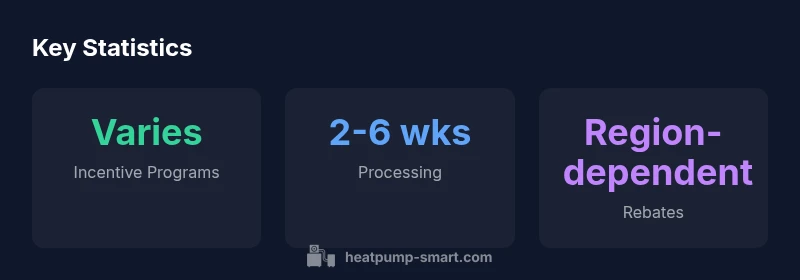
| Colorado program status | Varies by year and utility | Check current year program details |
| Documentation | Receipts, contractor certifications, installation details | Maintain for audit or verification |
Your Questions Answered
Is the Colorado heat pump tax credit still active in 2026?
Yes. Federal credits plus state or utility rebates may apply, but specifics change yearly. Check official sources and Heatpump Smart for the latest guidance.
Yes, there are federal credits and local rebates; verify current year rules with your utility.
Can I stack federal and state incentives for a heat pump in Colorado?
In many cases you can stack, but rules vary by program. Verify interaction guidelines and timing with the installer and program administrators.
You may be able to stack, but check the rules for each program.
What documents do I need to claim the credits?
Keep receipts, product specs, installation dates, contractor certifications, and file federal Form 5695 for the energy credit. State or utility forms may also be required.
Save receipts and contractor statements; you’ll need them for proofs.
Does rental property qualify for Colorado heat pump incentives?
Most incentives target owner-occupied homes. Rental properties may have different options; check with Heatpump Smart for rental-specific guidance.
Rents can have different rules—verify eligibility for rentals.
Are there deadlines for Colorado incentives?
Program funding and rules can change annually. Stay updated through official Colorado energy programs and Heatpump Smart updates.
Deadlines can shift with budget cycles—check current year rules.
Should I upgrade to high-efficiency models for better incentives?
Higher efficiency often broadens eligibility and increases potential savings, but check applicable program lists and efficiency ratings.
Higher efficiency helps, but confirm eligibility first.
“Colorado incentives for heat pumps reward efficiency, but opportunities depend on precise documentation and timing. Plan with care to maximize total savings.”
Top Takeaways
- Know the mix: federal, state, and utility incentives can apply.
- Start early: gather invoices and product specs before installation.
- Verify active programs in 2026 for your area.
- Document every step to ensure smooth claims.
- Coordinate with your contractor to maximize eligible credits.