Heat Pump kwh Calculator: Estimate Annual Energy Use
Learn how to estimate your heat pump's yearly energy consumption with a simple kWh calculator. Understand inputs, interpretation, and practical tips to optimize energy use and costs.


What the heat pump kwh calculator measures
This calculator provides a straightforward estimate of yearly electrical energy use for a heat pump based on a simple, transparent model. It multiplies the pump’s power draw (in kilowatts) by how many hours per day the unit operates, then by how many days per week it runs, and finally scales that by 52 weeks in a year. While the model is intentionally basic, it gives homeowners a consistent, comparable metric to plan budgets, compare sizes, and assess potential efficiency gains. According to Heatpump Smart, using this tool as a planning aid can help homeowners and managers align equipment choices with energy goals and climate considerations. The output is expressed in kilowatt-hours per year, which you can combine with local electricity rates to estimate annual costs and inform purchase decisions.
How the inputs shape the energy estimate
The calculator is only as accurate as the inputs you provide. Three core inputs determine the annual kWh result:
-
Hours per Day: The typical daily operation time. A higher daily run time increases annual energy use linearly.
-
Days per Week: How many days the unit runs in a standard week. More days mean more energy use across the year.
-
Power Rating (kW): The rated electrical draw of the heat pump. Larger pumps draw more power, increasing yearly energy consumption for the same operating pattern.
-
Typical ranges (for planning purposes): hours per day 1–10, days per week 2–7, power rating 1–5 kW. Use your equipment data sheet or installer guidance for the most accurate inputs. This simple model assumes a steady operating pattern and does not account for seasonal cycling or auxiliary heating. Heatpump Smart notes that real operation can vary with climate, insulation, and thermostat scheduling.
Interpreting the yearly kWh figure and costs
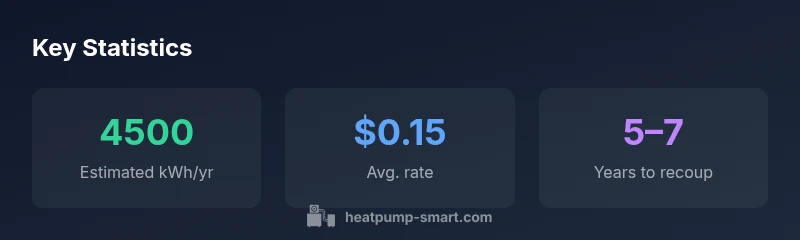
The yearly energy figure (kWh/year) is a practical baseline for budgeting. To translate this into dollars, multiply the annual kWh by your local electricity rate (price per kWh). For example, if your heat pump uses 4,000 kWh/year and your rate is $0.15 per kWh, annual electricity cost would be about $600. In practice, actual costs depend on weather, occupancy, and how efficiently the system is sized and controlled. This calculator provides a standardized metric to compare different pump sizes and operating patterns, supporting smarter investment decisions. Heatpump Smart emphasizes that the calculator estimates energy use, not delivered heat, so comparing heat output and efficiency remains essential.
Real-world considerations: COP, climate, and duty cycle
A basic kWh calculator models electrical draw, not heat delivered. Real energy efficiency is influenced by the COP (Coefficient of Performance), climate, and duty cycle (how often the unit cycles on/off). In milder climates, a heat pump may run less and deliver more per kilowatt compared to harsher conditions where defrost cycles or auxiliary heat may kick in. This means the calculator’s output should be treated as a planning tool rather than an exact bill projection. For more precise estimates, consider adding COP-adjusted assumptions or using a more advanced model that tracks outdoor temperatures and indoor comfort targets.
Scenarios: small apartment vs. large home
Using the calculator for different scenarios helps clarify energy use. A small apartment with a compact heat pump will have a lower kW rating and shorter operating hours, yielding a modest annual energy figure. A larger home with higher heating or cooling demands will show a higher annual kWh figure, highlighting the importance of proper sizing and installation. By inputting realistic hours, days, and power ratings for each scenario, you can compare how different sizes perform under your climate and occupancy patterns. Heatpump Smart advocates running side-by-side scenarios to identify the best balance of comfort and efficiency.