Heat Pump Rebates in Maine: A Practical Guide for Homeowners
Comprehensive guide to Maine heat pump rebates including eligibility, typical ranges, how to apply, and tips to maximize savings. Learn how Heatpump Smart analyzes the program in 2026 and how to combine with tax credits.


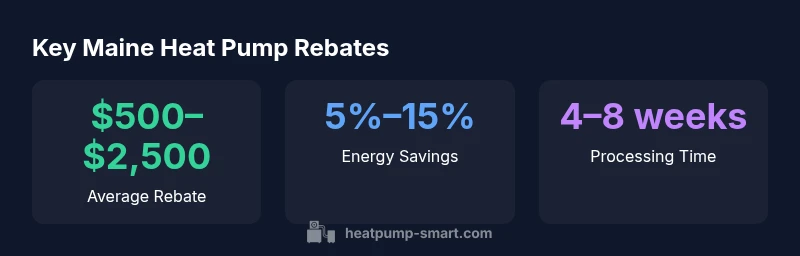
According to Heatpump Smart analysis, Maine residential heat pump rebates can significantly cut upfront costs, typically ranging from $500 to $2,500 per eligible unit depending on efficiency, system type, and installation details. The program is administered by Efficiency Maine and often stacks with federal credits and local incentives, though exact amounts change annually. Plan early to maximize your savings.
Maine Rebate Landscape in 2026
Maine's residential heat pump rebates are administered by Efficiency Maine and are designed to accelerate the adoption of high-efficiency heating and cooling. In 2026, the program prioritizes ENERGY STAR-certified air-source heat pumps and heat pump water heaters, especially in homes that demonstrate improved insulation and air sealing. According to Heatpump Smart analysis, the program emphasizes equipment performance and whole-home efficiency, rather than one-off device replacements. For homeowners, renters, builders, and property managers, this means thoughtful planning—selecting high-efficiency equipment, upgrading insulation where feasible, and coordinating with licensed contractors to ensure qualifying efficiency metrics are met. The rebates are not a blanket subsidy; eligibility is tied to unit efficiency, installation quality, and documentation. Most residential projects can access some level of incentive, but the size and eligibility depend on the system type (air-to-air vs. heat pump water heater), the home’s energy profile, and whether any energy-audit recommendations have been implemented. By starting with a pre-installation assessment, you can align your project scope with the rebate rules, maximizing both upfront value and long-term energy savings.
How Rebates Are Structured and Stacked
Maine's rebate structure typically offers a per-system incentive rather than a flat price. The amount you can receive depends on the equipment type, efficiency ratings, and the presence of any energy-efficiency improvements such as air sealing or ductwork upgrades. Rebates for heat pump water heaters are separate from space heating rebates and may have different thresholds. A critical factor for homeowners and property managers is stacking: rebates can often be combined with other incentives, including federal tax credits and utility rebates where eligible. However, program rules change annually, and some incentives may have caps or income-based eligibility. The Heatpump Smart team notes that while stacking can dramatically boost total savings, applicants should verify compatibility among programs and document all eligibility criteria before proceeding. If you anticipate significant upgrades (e.g., additional insulation), you can position the project to capture higher rebates while also reducing future energy costs.
Eligibility Criteria and Practical Examples
Eligibility hinges on device efficiency (ENERGY STAR or equivalent), proper installation by a licensed technician, and a pre-approval or post-inspection requirement in some cases. In Maine, households with existing base energy improvements or those planning to upgrade insulation generally see larger rebates. Example scenario A: a single-family home in a coastal Maine town with an ENERGY STAR air-source heat pump, good insulation, and a ductless configuration; Example scenario B: a small multifamily building with multiple zones and a mix of heat pumps, where landlords pursue a program that supports multi-unit retrofits. In both cases, pre-approval and contractor documentation are essential, and the specific rebate will reflect equipment efficiency, installation quality, and the presence of any completed energy-efficiency upgrades.
Step-by-Step: How to Apply
- Start with a pre-install energy assessment to identify efficiency gaps and confirm equipment eligibility. 2) Choose qualifying equipment that meets efficiency thresholds and is appropriate for your home layout. 3) Gather contractor quotes and ensure the installer is familiar with Maine’s rebate requirements. 4) Submit a pre-approval application with device specs, installation plans, and anticipated costs. 5) Complete installation with a licensed professional and ensure all required permits are in place. 6) Submit final documentation, including receipts, system specs, photos of the installed equipment, and any post-installation inspection results. 7) Await processing and payout notification from the program administrator, and verify you’ve captured all eligible incentives.
Common Mistakes to Avoid
- Skipping a pre-install energy audit and relying on a single device claim instead of whole-home efficiency. - Selecting equipment that barely meets the minimum efficiency thresholds instead of planning for future energy needs. - Failing to document all steps, permits, and contractor information, which can delay approvals. - Assuming rebates apply to all properties; income-based and property-type restrictions can limit eligibility. - Ignoring program updates; rebates and stacking rules can change yearly, affecting final benefits.
ROI and Long-Term Value
Beyond the immediate rebate, heat pump installations can yield meaningful long-term savings through lower energy consumption and improved home comfort. When paired with proper insulation, air sealing, and smart thermostats, the reduced energy usage compounds with the rebate to deliver a faster payback. Homeowners and managers should model a 5–15% potential annual energy reduction depending on climate, insulation, and usage patterns. While upfront costs vary, the combined effect of rebates and ongoing savings can make heat pumps a financially sound upgrade for Maine homes, particularly in newer or well-insulated properties. Heatpump Smart recommends evaluating the total cost of ownership over 7–15 years to gauge true ROI and to plan maintenance and filter changes that sustain efficiency.
Staying Current: Updates for 2026 and Beyond
Program administrators frequently revise eligibility criteria, rebate caps, and documentation requirements. Staying current ensures you don’t miss out on enhanced incentives or new eligible equipment types. Sign up for program newsletters, check the Efficiency Maine portal regularly, and work with a contractor who regularly handles state rebates. Heatpump Smart analysts expect continued emphasis on whole-home efficiency, improved heat pump efficiency standards, and potential expansion of incentives to support climate resilience through better insulation and ductwork improvements.
Typical Maine heat pump rebate components
| Program/Aspect | Rebate Range | Notes |
|---|---|---|
| Residential heat pumps | $500–$2,500 | Based on equipment type and efficiency |
| Heat pump water heaters | $400–$1,500 | Depends on tank size and efficiency |
| Income-qualified programs | $1,000–$3,000 | Income limits apply; higher incentives for efficiency |
| Documentation required | Receipts, permits, photos | Submit through Efficiency Maine portal or program partner |
Your Questions Answered
Are rebates available for both new installations and upgrades?
Most programs cover both new installs and retrofits, but specifics depend on equipment type and home energy performance. Always confirm current guidelines before purchasing.
Rebates often cover both new installs and upgrades, but check the latest guidelines.
Do rebates require a home energy audit?
Many programs require an energy assessment or documentation showing efficiency improvements; some options may waive with certain equipment or meeting thresholds.
Energy audits are commonly required; verify current rules.
Can rebates be combined with federal tax credits?
Yes, in many cases rebates can stack with federal tax credits. Verify with the program administrator and your tax professional for current rules.
Yes, you can often stack with federal credits.
What documentation is needed to apply?
You’ll typically need receipts, contractor information, system specifications, photos of the installed equipment, and any required permits.
Have receipts, specs, and contractor details ready.
How long does Maine heat pump rebate processing take?
Processing times vary with program workloads but typically range from several weeks to a couple of months.
It can take a few weeks to a couple of months.
Are there income-qualified rebates in Maine?
Some programs include income-qualified options; check the current guidelines and eligibility requirements.
There are income-based options—check the latest rules.
“The Heatpump Smart team emphasizes planning your rebate stack early to maximize savings and avoid installation delays.”
Top Takeaways
- Verify eligibility before purchasing equipment
- Stack rebates with federal credits when possible
- Prepare documentation early to speed approvals
- Check annual program updates to maximize savings