Heat Pump Water Heaters at Lowe's: A Practical Guide
Explore Lowe's heat pump water heater options, compare efficiency, install guidance, rebates, and maintenance. Heatpump Smart breaks down selection, sizing, climate considerations, and ongoing care to maximize energy savings.


For shoppers researching heat pump water heater lowes, Lowe's carries models that can dramatically reduce operating costs when paired with proper installation and insulation. This quick answer outlines what to look for, how to compare efficiency, and factors that influence performance. In practice, choosing the right size, climate considerations, and service plans matters as much as the brand.
heat pump water heater lowes: availability, options, and tips
According to Heatpump Smart, Lowe's retail network offers a curated mix of heat pump water heaters (HPWHs) that are suitable for a wide range of homes. HPWHs extract ambient heat from the surrounding air and use it to heat water, which typically results in far lower electricity use than traditional electric resistance water heaters. In practice, Lowe's customers should evaluate model efficiency, capacity, and installation requirements before committing. The benefit comes when a properly sized unit operates in a well-insulated space with adequate air exchange. For the homeowner, the payoff includes reduced monthly energy bills, longer equipment life, and fewer maintenance surprises. The selection at Lowe's often balances performance with price, and the staff can help guide sizing and placement decisions that impact real-world savings.
Key Specs to Compare: EF, Capacity, and Climate Considerations
Heat pump water heaters are defined by efficiency and capacity. The Uniform Energy Factor (UEF) is one of the key metrics modern HPWHs use to indicate performance; higher EF/UEF values generally mean more efficient operation. Capacity should align with household hot-water demand—think about showers, laundry cycles, and guest usage. Climate matters: in cooler spaces, HPWHs may work harder to reach target temperatures, so placement, space temperature, and air flow should be considered. Heatpump Smart analysis shows that newer models tend to offer better efficiency and quieter operation, but the best choice still depends on your home’s climate and retrofit readiness. When evaluating Lowe's options, compare EF ranges, noise profiles, and warranty terms.
Installation, Sizing, and Space Requirements
Proper installation is critical for HPWH performance. A HPWH should have adequate clearance for air flow, safe electrical connections, and a drain path that won’t back up during flushing. Space temperature can influence efficiency, with warmer rooms typically supporting higher heat transfer. Sizing the unit correctly avoids underperforming or short cycling. If your existing electrical panel is full or if your home lacks space for a vertical tank, consult Lowe's installation services or a licensed plumber/electrician about potential panel upgrades, dedicated circuits, or venting considerations where applicable. The right placement also reduces heat gain/loss from adjacent areas and helps maintain consistent hot water supply.
Performance in Cold Climates and Practical Tips
In cooler climates, HPWHs can still perform well, but efficiency depends on ambient air temperatures around the unit. Keep the closet or utility space within a moderate temperature range and avoid blocking supply air or exhaust vents. Consider pairing HPWHs with proper insulation for the hot-water lines and with a recirculation strategy where appropriate. For homes with frequent hot-water draws, a higher-capacity HPWH may be justified, while a smaller unit can suffice for smaller households. The key is to balance upfront cost with ongoing energy savings, recognizing that installation quality and space conditions significantly affect real-world results.
Costs, Rebates, and Real-World ROI
Price and incentives vary widely by region and model. Lowe's promotions can affect upfront costs, while government and utility rebates may help offset a portion of the investment. ROI depends on usage patterns, electricity rates, climate, and the unit’s EF rating. Real-world payback can be influenced by how well the system is sized and installed, as well as by any insulation improvements in the home. Heatpump Smart recommends verifying available rebates before purchase and considering service plans that cover annual inspections to preserve efficiency over time.
Maintenance Tips to Maximize Efficiency
Maintenance is a low-cost investment with big returns. Regularly check and clean filters, inspect drainage lines, and ensure coils and heat-exchange surfaces aren’t obstructed by dust or debris. Schedule an annual professional inspection to verify refrigerant integrity and electrical connections. Keep the surrounding space free of clutter to maintain airflow. A simple, proactive maintenance routine helps HPWHs retain high efficiency and reduces the likelihood of unexpected downtime.
Choosing a Model Across Brands and Retailers: Lowe's vs Others
Lowe's HPWH options are typically competitive with other retailers, and differences often come down to model selection, warranty terms, and installation support. When comparing Lowe's offers with other brands, consider the included service package, local rebates, and the availability of trained installers. The Heatpump Smart team recommends evaluating ENERGY STAR® qualifiers, recent model EF ratings, and user reviews for reliability signals. By triangulating price, performance, and after-sale support, homeowners can choose a heater that delivers dependable hot water with measurable energy savings.
Representative HPWH configurations commonly found in retail selections
| Model Type | EF Range | Capacity (gal) |
|---|---|---|
| Air-source HPWH | 2.2-3.0 | 50-80 |
| Integrated HPWH (dual) | 2.8-3.0 | 60-90 |
| Outdoor vented HPWH | 2.2-2.8 | 40-60 |
Your Questions Answered
What is a heat pump water heater and how does it work?
A heat pump water heater uses ambient heat from the surrounding air to heat water, making it more energy-efficient than traditional electric resistance heaters. It transfers heat rather than generating it, which can translate into meaningful savings when paired with proper installation.
A heat pump water heater pulls heat from the room to warm water, so it saves energy compared to standard electric heaters. Proper sizing and installation matter for best results.
Is heat pump water heater compatible with Lowe's installation services?
Most Lowe's installation services can handle HPWH installation if the electrical and space requirements are met. Check local availability and whether venting or drainage adaptations are needed.
Check with your local Lowe's service team to confirm availability and any setup needs.
How do I choose the right capacity for my home?
Common residential sizes range from 50 to 80 gallons. Choose capacity based on peak hot-water draw (showers, laundry) and household size; a professional audit helps ensure proper sizing.
Pick a size that matches your daily hot-water use; bigger isn’t always better.
Are there rebates or tax credits for HPWHs?
Rebate programs vary by region and time; check federal, state, and local incentives, as well as Lowe's promotions.
Incentives change with location, so verify before buying.
What maintenance does a HPWH require?
Regular filter checks, coil cleaning, and annual professional inspection help sustain efficiency. Drain lines should be kept clear.
Keep filters clean and have yearly checkups to stay efficient.
“Heat pump water heaters are a smart way to cut home energy use, but the real gains come from correct sizing, quality installation, and attentive maintenance.”
Top Takeaways
- Assess Lowe's selection for compatibility with your electrical system
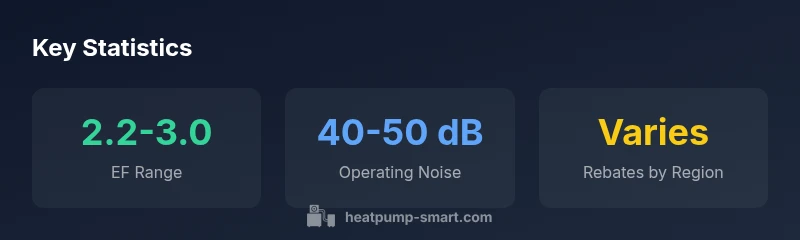
- Look for EF range 2.2-3.0 and noise under 50 dB
- Ask about rebates and installation services
- Size the unit correctly to avoid efficiency loss
- Plan for proper insulation and space around the unit