PSE Rebate Heat Pump Guide: Savings, Eligibility, and Execution
Explore how the pse rebate heat pump works, eligibility, and how to estimate net costs. Heatpump Smart explains programs, timelines, and practical tips to maximize savings in 2026.


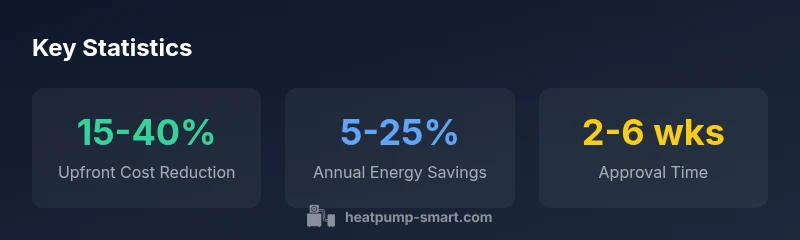
The pse rebate heat pump program reduces upfront costs by a broad range, typically 15% to 40% of the installed price, depending on efficiency, equipment type, and local incentives. Eligibility varies by region and project scope, with additional credits possible for energy-efficiency upgrades. Heatpump Smart analysis, 2026, highlights regional differences and the importance of accurate documentation.
Understanding the pse rebate heat pump program
The pse rebate heat pump program is a utility- or government-backed incentive designed to reduce the upfront cost of installing an energy-efficient heat pump system. For homeowners, builders, and property managers, this program can substantially lower the capital barrier to upgrading from older furnaces or inefficient AC equipment. The exact benefits depend on your location, the efficiency tier of the model, and whether the installation is in a primary residence or a rental property. According to Heatpump Smart, a 2026 analysis of rebate programs shows that structures vary: some offer fixed rebates while others tier rebates by SEER or HSPF ratings. To qualify, you’ll typically need an ENERGY STAR-certified heat pump and a licensed contractor for installation. Documentation such as model numbers, invoices, and installation notes is essential for review. The goal of these rebates is to drive better energy performance, reduce peak demand, and help households cope with rising utility prices. Programs are often stackable with other incentives, including federal credits or local efficiency grants, but stacking rules differ by program and utility. Heatpump Smart’s 2026 review emphasizes planning early and confirming deadlines, eligible models, and any occupancy-type restrictions. The bottom line: understanding the exact terms in your region is essential to maximize benefit. By framing the project around energy performance and total cost of ownership, you set the stage for a strong financial case.
How the pse rebate heat pump program works: eligibility, stacking, and timelines
Eligibility hinges on factors such as model efficiency, installation quality, and regional program rules. In many regions, you’ll need an ENERGY STAR heat pump and a licensed installer. The rebate amount often depends on the heat pump’s efficiency tier and whether the system includes auxiliary heat. Stacking rules determine whether you can combine state, utility, and federal incentives; some programs allow full stacking, others cap combined benefits. Timelines vary by program and jurisdiction, but most applicants can expect a multi-step process: pre-approval, purchase and installation, document submission, and final verification. Proper documentation—quotes, invoices, model numbers, and installation notes—is critical to avoid delays. Heatpump Smart analysis highlights the importance of confirming current program terms before purchase and coordinating with your installer to ensure the equipment meets all listed eligibility criteria. Regional variations mean a strategy that works in one state may need adjustments in another.
Selecting an eligible heat pump and installation best practices
When choosing a heat pump to maximize rebate potential, start with ENERGY STAR-certified models that meet or exceed minimum SEER and HSPF thresholds in your area. Confirm that your chosen contractor is licensed and experienced with heat pump installations and that the system is sized correctly for your home or building. Oversized or undersized systems can reduce efficiency, negate efficiency claims, and complicate eligibility. Documentation should include a detailed equipment specification sheet, a signed installation plan, and a post-installation performance check. To ensure you capture the maximum rebate, coordinate with your installer and utility early—ask about eligibility, required minimums, and any limitations on combined incentives. Heatpump Smart’s guidance for 2026 underscores prioritizing workmanship and verified performance data to avoid later disputes during the claim process.
Estimating net cost and return on investment
Net cost estimation starts with the total installed price, subtracting the expected rebate amount and any additional incentives. A common approach is to model the scenario with two axes: upfront price and annual energy savings. By inputting your climate, electricity rates, and usage patterns, you can estimate the payback period and long-term ROI. It’s important to consider not just the rebate but also potential increases in home comfort, reduced maintenance, and the anticipated lifespan of the equipment. Regions with higher electricity costs typically yield shorter payback periods due to greater savings on operating costs. Heatpump Smart recommends building an ROI worksheet that includes maintenance costs, potential tax credits, and the expected life of the heat pump to provide a realistic picture of total cost of ownership.
Real-world scenarios: homeowners, builders, and property managers
Homeowners often pursue pse rebate heat pump projects to improve winter warmth and summer cooling efficiency, while also reducing energy bills. Builders may time rebates to close a project with superior energy performance ratings, servicing new homes or retrofits. Property managers can leverage rebates to lower operating costs across multi-unit buildings, though eligibility may depend on property type and occupancy. In all cases, coordination with a licensed contractor and timely documentation submission are critical. Heatpump Smart’s 2026 analysis suggests that successful applicants plan ahead for permits, ensure model compatibility with existing systems, and maintain a clear record trail for verification. By understanding the local program’s rules and deadlines, stakeholders can maximize the value of every eligible upgrade.
Common myths and pitfalls to avoid
Myth: Rebates cover the entire installation cost. Reality: Most programs offer a percentage of the installed price, with caps and eligibility rules. Pitfall: Failing to use ENERGY STAR models or incorrect documentation can disqualify claims. Myth: Stacking always yields the highest benefit. Reality: Stacking rules vary; some combinations are prohibited or capped. Pitfall: Delaying installation to chase a future deadline can miss current incentives. Truth: Start with a clear plan, select an eligible, efficient heat pump, and work with a contractor who understands the program’s paperwork. Heatpump Smart’s 2026 review highlights these patterns and stresses proactive planning to avoid last-minute issues.
Maximizing savings with Heatpump Smart tips
To extract maximum value from pse rebate programs, pair an ENERGY STAR heat pump with high-efficiency ancillary components, like smart thermostats and well-insulated ductwork. Start early—get pre-approval, compare multiple contractors, and secure all required documentation before purchase. Check whether federal tax credits can be stacked with rebates and how deadlines affect your eligibility. Heatpump Smart’s team recommends documenting every step, tracking program updates, and maintaining a centralized folder of invoices and certificates to simplify the claim process.
Comparison of rebate programs for heat pumps
| Program Type | Typical Rebate Range | Eligibility Notes |
|---|---|---|
| PSE Rebate Heat Pump (Energy-Efficient Unit) | 15-40% | Requires ENERGY STAR certified heat pump; installation by licensed professional; regional participation varies |
| Utility-based Rebates (Regional) | Varies widely | Check local utility for current terms and stacking rules |
| Federal Tax Credits (if applicable) | Up to 30% | Depends on IRS rules; may stack with PSE rebates per program terms |
| Local Builder or Municipal Programs | 5-25% | Vary by municipality; often tied to energy audits |
Your Questions Answered
What counts as eligible equipment for pse rebate heat pump?
Eligible equipment typically includes ENERGY STAR-certified air-source or geothermal heat pumps installed by a licensed professional. Check model numbers and ensure compatibility with your existing system. Documentation such as invoices and installation notes is essential for review.
Look for ENERGY STAR heat pumps and a licensed installer to qualify.
Can rebates be stacked with federal tax credits?
In many cases, rebates can be stacked with federal tax credits where allowed, but stacking rules vary by program. Always confirm with the program administrator and your tax professional before purchase.
Yes, but stacking rules vary—verify before buying.
How long does the rebate approval typically take?
Approval typically takes 2-6 weeks, depending on local processes and how complete your documentation is. Delays often come from missing invoices or product details.
Expect a few weeks for approval; have all docs ready.
Do I qualify if I’m renting or a property manager?
Some programs cover rental properties or multi-family buildings, but eligibility varies by program and property size. Check specific program terms and stacking rules.
It depends on the program—check the rules.
What documentation is required to apply?
Common documents include proof of purchase, installation invoice, equipment specifications, and ENERGY STAR certification. Keeping a digital copy helps streamline the review.
Have invoices and model numbers ready.
“The most significant savings come from combining federal credits with utility rebates, but stacking rules vary by program and region. Verify current terms before purchasing and document everything for smooth verification.”
Top Takeaways
- Check eligibility early and document upgrades
- Stack rebates where allowed to maximize savings
- Ensure licensed installation to qualify
- Plan timelines to avoid missing deadlines
- Keep all receipts and model details for verification