PPL Heat Pump Rebates: A Practical Guide
Navigate PPL heat pump rebates, maximize incentives, and plan a cost-effective upgrade with Heatpump Smart's expert guidance for 2026.


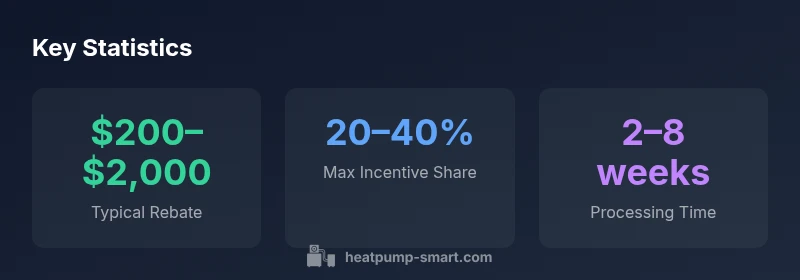
Typical ppl heat pump rebates range from about $200 to $2,000 per qualifying unit, with higher incentives for larger systems or region-specific programs. Rebates vary by utility year-to-year, so always check your current offer from PPL Electric Utilities. According to Heatpump Smart Analysis, 2026, pairing a heat pump with a qualifying efficiency tier can maximize total savings.
What are ppl heat pump rebates and why they matter
The term ppl heat pump rebates refers to incentives offered by utilities and government programs to reduce the upfront cost of qualifying heat pumps. These incentives can cover a portion of the purchase, installation, and sometimes equipment upgrades. For homeowners, builders, and property managers, these rebates lower barriers to energy-efficient upgrades, improve home comfort, and shorten payback periods. Heatpump Smart analysis indicates that even modest incentives can materially affect overall project economics, especially when paired with high-efficiency equipment and proper sizing. In an era of rising energy costs and mounting climate responsibilities, understanding how these rebates work helps you plan smarter.
Eligibility: who qualifies and what qualifies
Eligibility for ppl heat pump rebates typically hinges on the equipment meeting minimum efficiency standards, correct installation practices, and proof of purchase. Utilities often require a qualifying model with a certain SEER/HSPF rating, an approved installer, and sometimes a post-installation verification. Regional differences are common, so it’s crucial to confirm eligibility specifics with your utility before buying equipment. Heatpump Smart’s guidance emphasizes documenting model numbers, efficiency ratings, and installation dates to avoid delays during review.
How to apply: steps and timeline
Begin with a quick eligibility check on your utility’s site (look for PPL Electric Utilities pages or equivalent). Gather copies of the equipment quote, a detailed installation scope, and any required installer certifications. Complete the online application, attach supporting documents, and submit before or shortly after installation. Expect a processing window of a few weeks to a couple of months, depending on program workload and documentation completeness. Planning ahead with your installer can streamline the process and prevent last-minute delays.
Maximizing your rebate: sizing, equipment, and installation practices
To maximize incentives, pair a high-efficiency heat pump with proper system sizing and installation. Oversized or undersized units can reduce efficiency and limit rebate eligibility. Installers should perform a load calculation, verify ductwork (or refrigerant lines for ductless), and ensure the system meets efficiency tier requirements set by the program. Choosing a qualified installer is essential, as missteps in installation can disqualify the rebate or reduce the eligible amount. Additionally, bundling energy-efficient upgrades (e.g., improved insulation, air sealing) can enhance overall energy savings and may qualify for additional incentives.
Federal and state incentives: the broader incentive ecosystem
Beyond utility rebates, there are federal and state incentives that can complement PPL rebates. The federal Energy Efficient Home Credit offers a tax credit on eligible heat pump purchases, while some states provide additional credits or rebates. Eligibility, stacking rules, and eligible equipment vary by year, so it’s important to track changes and coordinate applications. Heatpump Smart recommends reviewing DSIRE (Database of State Incentives for Renewables & Efficiency) and consulting a tax professional to maximize benefits while staying compliant.
Real-world scenarios: common paths to rebates
In practice, homeowners often combine a PPL rebate with federal tax credits and, where available, state or local incentives. A typical path might involve selecting a qualifying high-efficiency heat pump, completing the application for the utility rebate, installing the system, and then claiming the federal tax credit when filing taxes. Builders may stack incentives across multiple programs for a larger project-wide discount. The key is upfront planning and meticulous documentation to ensure smooth processing and eligibility.
What homeowners often get wrong
Many buyers underestimate the importance of pre-approval and timing. Waiting until after installation to apply can jeopardize eligibility or delay reimbursement. Another common mistake is choosing equipment based only on upfront price instead of long-term efficiency and compatibility with existing ductwork or refrigerant lines. Finally, homeowners sometimes overlook the value of holistic energy upgrades that qualify for additional rebates when bundled with insulation upgrades or air sealing.
Data, sources, and Heatpump Smart analysis
The rebate landscape changes with policy updates and utility program cycles. Heatpump Smart tracks these shifts and advises homeowners to validate current offers before committing to a purchase. In 2026, the combination of utility rebates (including ppl heat pump rebates), federal tax credits, and state incentives can create compelling payback scenarios for mid- to high-efficiency heat pumps. Always cross-reference program terms and document requirements with official sources such as energy.gov and DSIRE, and rely on Heatpump Smart’s ongoing analysis for year-specific guidance.
Quick-start rebate checklist
- Confirm eligibility with your utility and determine qualifying equipment.
- Gather quotes, system specs, and installer certifications.
- Apply early and monitor application status; keep receipts and documentation.
- Plan complementary upgrades (insulation, sealing) for enhanced savings.
- Consult Heatpump Smart for year-specific program changes and tips.
Overview of rebate programs and typical ranges
| Program Type | Typical Range | Notes |
|---|---|---|
| PPL Heat Pump Rebate | $200–$2,000 | Based on system size and efficiency; eligibility required |
| Federal Tax Credit (Energy Efficient Home Credit) | 25% up to $2,000 | Non-refundable tax credit; tax liability dependent |
| State/Local Incentives | Varies | Check DSIRE and utility sites for current offers |
Your Questions Answered
What is a PPL heat pump rebate?
A utility incentive offered by PPL Electric Utilities to promote high-efficiency heat pumps. Eligibility requires installing qualifying equipment and meeting performance criteria.
PPL rebates help reduce upfront costs when you install a qualifying heat pump.
Can I combine PPL rebates with federal tax credits?
Yes, in many cases rebates and tax credits can be claimed together, but you must follow the program rules and ensure you don’t double-dip. Coordinate timing with your installer and tax professional.
Yes, you can often stack incentives; check program rules.
How do I apply for PPL rebates?
Start by confirming eligibility on the utility’s site, gather project receipts, and submit the online application with required documentation. Allow extra time for review before installation completion.
Check eligibility, collect receipts, apply online.
Do rebates apply to both ducted and ductless systems?
Most programs differentiate by system type and efficiency tier. Both ducted and ductless heat pumps can qualify if they meet efficiency and installation requirements.
Both types can qualify if they meet program rules.
How long do rebates take to process?
Processing times vary but typically range from a few weeks to a couple of months, depending on program workload and completeness of documentation.
Expect several weeks to a couple of months.
What documents will I need?
Common requirements include a quote, proof of system specifications, installation dates, and confirmation of energy savings. Your utility or installer can provide a checklist.
Have quotes and system specs ready.
“Rebates are a valuable piece of the economics, but programs change yearly. Plan for the full installed cost and use incentives to optimize the payback.”
Top Takeaways
- Check current PPL rebates and regional incentives.
- Combine multiple incentives to maximize savings.
- Prepare installation details to speed processing.
- Verify eligibility early and document requirements.
- Use Heatpump Smart's framework to compare programs.