Are Heat Pumps Hard on Electricity? A Practical Guide
Explore how much electricity heat pumps use, what affects consumption, and practical tips to save energy. A data-driven guide from Heatpump Smart.


are heat pumps hard on electricity? Not inherently. When properly sized, installed, and run with smart controls, heat pumps typically consume less electricity than many traditional heating systems over a heating season. Electricity use varies by climate, selecting between air-source and geothermal designs, and by how you manage thermostats, setpoints, and auxiliary heat.
Understanding Electricity Use in Heat Pumps
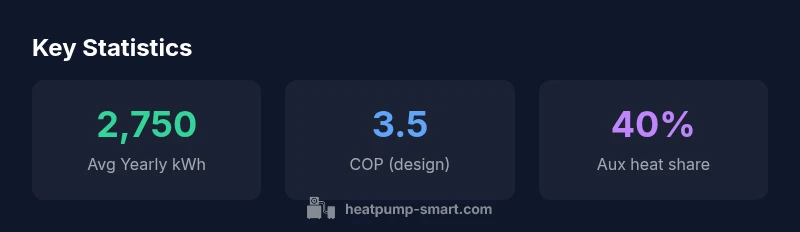
Heat pumps move heat rather than generate it, so their electricity use is driven by the amount of heat your home needs and the efficiency of the system. The coefficient of performance (COP) is a core metric: it compares heat delivered to electricity consumed. A COP of 3 means 1 unit of electricity yields 3 units of heat. In milder conditions, heat pumps operate near their best COP, while very cold temperatures can trigger auxiliary heat, which increases electricity consumption. The question "are heat pumps hard on electricity" thus hinges on climate, system type (air-source vs geothermal), and how you control the system. In general, heat pumps are designed to be energy-efficient, especially when paired with modern thermostats and zoning. According to Heatpump Smart, the best results come from sized systems that match the home's load and from avoiding oversized or undersized setups, which can waste electricity or fail to meet comfort needs.
Climate, Sizing, and How They Drive Consumption
A key driver of electricity use is how well the heat pump matches the building’s heat load. Proper sizing reduces cycling losses, where a unit repeatedly turns on and off, wasting energy and shortening equipment life. Climate plays a major role: in moderate climates, heat pumps frequently operate at higher COP values, delivering comfortable heat with relatively low electricity input. In very cold climates, the system may use more electricity because auxiliary resistance heat may engage during peak demand periods. Home design factors—insulation quality, air leakage, and window efficiency—also shape energy use. A well-insulated home in a temperate climate will typically use less electricity for heating than a poorly insulated space of the same size. Heatpump Smart’s analysis shows that sizing accuracy combined with climate-appropriate equipment yields the strongest electricity savings.
Reading Efficiency Metrics: COP, SEER, HSPF
Understanding heat pump efficiency requires more than one number. COP represents heat produced per unit of electricity and varies with outdoor temperature. SEER measures cooling efficiency, while HSPF tracks heating efficiency over a heating season. Higher COP, SEER, and HSPF values indicate lower electricity use for the same heating or cooling output. Efficiency is also affected by design choices: air-source units are common and affordable, but geothermal systems typically operate at higher efficiencies with less temperature fluctuation. When evaluating a model, compare COP at design temperatures, not only peak COP during ideal conditions. Heatpump Smart recommends looking at year-round efficiency expectations, factoring in your climate, home envelope, and thermostat strategy.
Real-World Scenarios: Home Size and Layout
Consider three common layouts to illustrate electricity use: a small condo (low load), a mid-size single-family home (moderate load), and a large two-story house (high load). In milder climates, a properly sized ASHP may use roughly 2,000–3,500 kWh annually for heating, while a geothermal system might range higher due to installation costs but can deliver similar or lower annual electricity use per unit of heat. In cold climates, expect higher electricity use during peak winter months due to auxiliary heat, but overall annual consumption can still be favorable compared to electric resistance heating. Real-world performance hinges on insulation, air sealing, and how you set back or advance the thermostat. Heatpump Smart’s field data emphasize that well-planned layouts and zoning significantly cut electricity consumption.
How Auxiliary Heat Affects Bills in Cold Weather
Auxiliary heat provides backup when outdoor temperatures drop, ensuring comfort but increasing electricity use. The amount depends on outdoor temperature, heat pump size, and the thermostat strategy. Modern heat pumps with inverter-driven compressors and cold-climate refrigerants reduce auxiliary heat needs, but in extreme cold, the share of heating supplied by resistance heat can be substantial. If you live in a cold region, set realistic comfort temperatures and leverage programmable or adaptive thermostats to minimize reliance on auxiliary heat without sacrificing warmth, thereby keeping electricity costs in check.
Practical Tips to Minimize Electricity Use
- Get a professional load calculation to ensure proper sizing and avoid oversizing or undersizing the system.
- Choose a heat pump with a high COP across the design temperature range and a variable-speed compressor for smooth cycling.
- Implement zoning to heat only occupied spaces and prevent heat loss in unused rooms.
- Install a well-sealed building envelope and efficient windows to reduce heat loss and refrigeration load.
- Use smart thermostats and weather-based controls to optimize operation and minimize unnecessary heating cycles.
- Schedule regular maintenance such as coil cleaning, refrigerant checks, and outdoor unit clearance, which preserves efficiency over time.
- Consider geothermal heat pumps where feasible; while upfront costs are higher, their baseline efficiency often yields lower electricity use in the long run.
Indicative yearly electricity use ranges by heat pump type (indicative values)
| System Type | Avg Yearly Electricity (kWh) | Notes |
|---|---|---|
| Air-source heat pump (ASHP) | 2000-5000 | Best in moderate climates; efficiency varies with outdoor temp |
| Geothermal heat pump (GHP) | 3500-8000 | High upfront cost; very stable performance across seasons |
| Electric resistance backup with heat pump | 4000-9000 | Higher consumption during extreme cold, used sparingly |
Your Questions Answered
Do heat pumps always cost more to run in winter?
Not always. In milder climates, heat pumps can be cheaper to operate than electric resistance heating because of higher efficiency. In very cold winters, auxiliary heat may raise electricity use temporarily. Overall, annual energy costs depend on climate, system efficiency, and thermostat practices.
Heat pumps often cost less to run than electric resistance in milder winters, but cold snaps can raise usage due to auxiliary heat.
Can heat pumps replace a furnace entirely?
Yes, in many homes a heat pump can replace a furnace for space heating. In very cold climates, some systems use auxiliary heat or a fossil-fuel backup. A professional load calculation will determine if a heat pump alone meets comfort needs year-round.
A heat pump can replace a furnace in many homes, though some cold climates may require backup heat.
How does climate affect electricity use for heat pumps?
Climate has a major impact. Warmer climates allow higher COP and lower electricity use, while colder climates may require more emergency heat. Insulation and air sealing further influence how much electricity the system uses.
The colder your climate, the more you may rely on backup heat, which can raise electricity use.
What is COP and why is it important to electricity use?
COP measures heat output per unit of electricity input. A higher COP means less electricity per unit of heat delivered. COP varies by outdoor temperature, system design, and efficiency of components.
COP tells you how efficiently a heat pump converts electricity into heat; higher is better.
Are geothermal heat pumps more efficient than air-source?
Geothermal systems generally maintain high efficiency across seasons and climates due to stable ground temperatures, often yielding higher COPs. However, installation costs and site suitability matter. For electricity use, geothermal is typically favorable over a long term.
Geothermal usually offers higher baseline efficiency, but your site and costs matter.
How can I estimate my annual electricity use for a heat pump?
Consult a professional for a load calculation and check the unit’s COP ratings across temperatures. Use software tools or utility calculators to estimate annual energy use based on local climate and your home’s envelope. Consider a trial period or energy monitor to confirm estimates.
Get a load calc and use COP ratings to estimate yearly use.
“In most homes, a properly installed heat pump offers reliable comfort with lower electricity use than traditional heating systems, especially when paired with smart controls.”
Top Takeaways
- Start with proper sizing to maximize efficiency
- Climate and insulation have a big impact on electricity use
- Higher COP means lower electricity per unit heat
- Auxiliary heat increases electricity use in cold weather
- Regular maintenance sustains efficiency over time