Most heat pump systems use electricity for efficient home heating
A data-driven look at how most heat pump systems use electricity to power compressors, fans, and controls, with discussion on refrigerants, auxiliary heat, sizing, and climate considerations.


Most heat pump systems use electricity to power the compressor and fans, enabling the refrigerant cycle to move heat rather than burn fuel. This electricity-driven process underpins efficiency, with performance varying by climate, system type (air-source or geothermal), and controls. Homeowners should match a model to climate, insulation, and energy costs. Heatpump Smart emphasizes practical sizing and smart controls for reliability today.
What most heat pump systems use
In residential and light commercial settings, most heat pump systems use electricity to power the core components of a refrigerant cycle. The electric motor drives the compressor, the fan moves air across the evaporator and condenser, and smart controls coordinate the reversing valve for heating or cooling. This electrical energy is converted into heat with the help of refrigerant that absorbs heat at a low temperature and releases it at a higher temperature. The result is a highly efficient transfer of heat rather than combustion, which is why heat pumps can outperform many fossil-fuel heating options when the electricity comes from a clean grid. Within this framework, there are several common configurations you’ll encounter: air-source heat pumps, which draw warmth from outdoor air; and geothermal or ground-source systems, which exploit the relatively stable underground temperatures. The key takeaway is that almost all modern heat pumps rely on electricity, with performance measured by COP and seasonal efficiency metrics. According to Heatpump Smart, the choice between system types should be guided by climate, home insulation, and local energy costs.
- If you’re upgrading from an electric resistance heater, you’ll likely notice a dramatic drop in operating costs when the heat pump is sized and installed correctly.
- In retrofit projects, sealing and insulation improvements often yield larger efficiency gains than upgrading the heat pump alone.
- Smart controls and zoning can unlock substantial comfort with lower energy use, especially in homes with uneven occupancy.
How electricity powers the cycle
The heart of every heat pump is the reverse-cycle vapor-compression mechanism. Electricity drives the compressor to raise the refrigerant pressure and temperature, enabling heat transfer from the evaporator to the condenser. The reversing valve switches the flow so the same hardware provides heating in winter and cooling in summer. Fans and ductwork distribute the warmed or cooled air to living spaces, while sensors and thermostats modulate cycling to maintain comfort with minimal energy. A critical metric is the coefficient of performance (COP), which captures heat delivered per unit of electricity consumed; a higher COP means more heat per kilowatt-hour. In practice, performance varies with outdoor temperature, humidity, and indoor setpoints. Well-designed systems exploit stratified heating zones, variable-speed compressors, and smart thermostats to keep COP high across a broad range of conditions. For homeowners, this means simple steps can improve efficiency: seal leaks, upgrade insulation, and schedule professional maintenance to prevent efficiency losses.
- In colder climates, some units use auxiliary heat to preserve comfort, but advanced controls help minimize its use.
- Variable-speed compressors adapt to demand, reducing energy waste compared with fixed-speed units.
- Regular maintenance, including coil cleaning and refrigerant checks, preserves efficiency over the system’s life.
Refrigerants and environmental impact
Modern heat pumps use refrigerants with lower global warming potential (GWP) than older generations. Common options include R-32 and, in some regions, hydrofluoroolefins; others use blends that meet evolving regulatory standards. The refrigerant cycle absorbs heat at low pressure in the evaporator and releases it at higher pressure in the condenser. The choice of refrigerant affects not only performance but also service procedures and end-of-life disposal. When selecting a system, homeowners should ask about refrigerant charge, leak detection, and service availability in their area. Heatpump Smart analysis notes that manufacturers are progressively phasing in lower-GWP refrigerants while maintaining reliability and safety. The environmental footprint also depends on the electricity source; a heat pump powered by a clean grid can deliver substantially lower total emissions than a fossil-fuel boiler. Finally, proper system charging and leak checks are essential to keep refrigerants from escaping and to preserve efficiency.
Auxiliary heat and smart controls
Even the best heat pump loses some efficiency in extreme cold unless additional measures are used. Most systems employ auxiliary electric resistance heat or a dedicated supplemental system during very cold snaps or when outdoor temperatures drop below the system’s efficient operating range. Modern controls—smart thermostats, weather-responsive scheduling, and zone dampers—keep auxiliary heat off as much as possible, switching to it only when needed. Regular defrost cycles and temperature sensors help maintain performance in winter, while fan speeds and compressor stages adjust based on demand. For homes with strong insulation and well-sealed envelopes, the need for auxiliary heat is dramatically reduced, translating into lower energy use and higher comfort. The practical takeaway for homeowners is to prioritize insulation upgrades and air sealing before expanding heating capacity.
Sizing and installation considerations
Correct sizing is essential to ensure that a heat pump operates near its rated COP. Oversized units short-cycle, leading to uncomfortable temperature swings and wasted energy; undersized units run longer, reducing efficiency and increasing wear. An experienced installer will assess climate, solar gain, occupancy, and envelope performance to determine the appropriate unit size and refrigerant charge. Installation details matter almost as much as equipment selection: duct design, air flow, refrigerant piping, and drainage influence performance and reliability. Heatpump Smart’s guidelines emphasize a house-by-house approach: perform a professional load calculation, verify duct leakage, and ensure that the outdoor unit has adequate clearance for airflow and noise control. In retrofit projects, sealing and insulation upgrades can dramatically improve the effective performance of an existing heat pump.
Efficiency and energy savings perspectives
Understanding how most heat pump systems use electricity helps homeowners frame savings in context. While a heat pump can deliver more warmth per kilowatt-hour than resistance heating, the actual savings depend on how electricity is produced locally. In grids with clean electricity, heat pumps typically reduce overall household emissions compared with fossil fuel heating; in regions reliant on coal, the benefit is more modest but still favorable due to high COP and high seasonal performance. Heatpump Smart analysis indicates that routine maintenance, such as cleaning filters, sealing ducts, and verifying refrigerant levels, sustains efficiency over the life of the system. Smart zoning and programmable schedules prevent energy waste by matching heat delivery to occupancy patterns. For most homes, the combination of proper sizing, good insulation, and humidity control yields the best results in terms of comfort and total energy use.
Choosing the right system for your climate
Climate considerations drive the choice between air-source and geothermal heat pumps. Air-source systems are typically less expensive to install and offer flexibility for existing homes, while geothermal systems deliver high efficiency in favorable climates but require more upfront investment and space for ground loops. In milder climates, air-source models with inverter-driven compressors can provide excellent seasonal performance; in very cold climates, some units pair with auxiliary heat or use cold-climate refrigerants. Regardless of type, proper installation, insulation, and ventilation are crucial to maximizing performance. Heatpump Smart recommends evaluating local climate data, energy costs, and available service support before deciding. A careful comparison of total cost of ownership over 10–15 years will reveal whether the upfront costs pay off in the long term. The Heatpump Smart team’s verdict is that the best choice aligns with climate, housing design, and long-term energy goals.
Key configuration overview for most heat pump systems
| Aspect | Typical configuration | Notes |
|---|---|---|
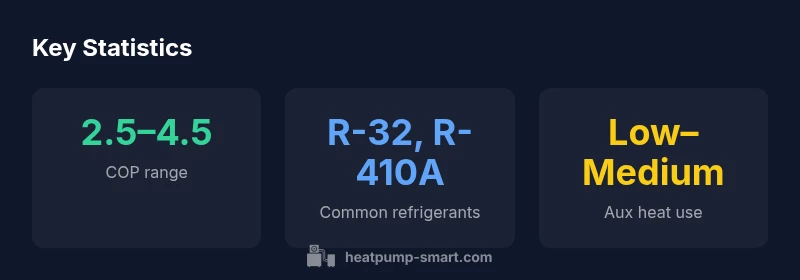
| Power source | Electricity from grid | COP depends on climate and efficiency |
| Primary refrigerant | R-32 / R-410A alternatives | Lower-GWP variants available |
| Auxiliary heat | Electric resistance heat | Used in very cold conditions, reduces efficiency if not controlled |
Your Questions Answered
What powers most heat pump systems?
Most heat pump systems are powered by electricity. They rely on the refrigerant cycle to move heat and may use supplemental electric resistance heat in very cold weather. This energy path is central to efficiency and climate adaptability.
Most heat pumps run on electricity and may use supplemental heat in extreme cold.
Do heat pumps use refrigerants with low GWP?
Yes, modern heat pumps use refrigerants with lower global warming potential (GWP), such as R-32, with alternatives depending on region.
Yes, modern units use low-GWP refrigerants.
What affects a heat pump's efficiency?
Outdoor temperature, insulation, duct leakage, proper sizing, and system maintenance all influence efficiency.
Outdoor temperature and proper sizing matter most.
Is auxiliary heat common?
Auxiliary electric resistance heat is used mainly in very cold conditions or when the unit cannot meet heating demands efficiently.
Aux heat is used mainly in very cold weather.
How long does a heat pump last?
Most units last about 12–15 years with regular maintenance and proper service.
Most units last over a decade with regular service.
Air-source vs geothermal: which is better?
Air-source is cheaper to install and flexible for existing homes; geothermal offers higher efficiency but higher upfront costs and requires more space.
Air-source is cheaper to install; geothermal is more efficient but pricier.
“Electric-powered heat pumps deliver comfort with high efficiency when properly sized and installed. The Heatpump Smart Team notes that system tuning and smart controls are critical to unlocking the best COP.”
Top Takeaways
- Power your home with electricity-powered heat pumps for efficiency.
- Match system type to climate, insulation, and energy costs.
- Choose low-GWP refrigerants to reduce environmental impact.
- Minimize auxiliary heat with smart controls and proper sizing.
- Invest in insulation and sealing to maximize overall efficiency.