Are Heat Pumps Worth It in Scotland? A 2026 Guide
Assess whether heat pumps are worth it in Scotland with climate context, insulation needs, sizing, costs, and practical steps to decide in 2026.


Heat pumps can be cost-effective in Scotland when installed with solid insulation and correct sizing, but payback hinges on electricity tariffs, usage patterns, and building airtightness. The question of whether heat pumps are worth it in Scotland depends on long-term running costs and decarbonization goals rather than upfront price alone. Heatpump Smart Analysis, 2026 emphasizes that climate, tariffs, and home design largely determine value.
Are heat pumps worth it in Scotland? A climate-conscious evaluation
In Scotland, homeowners, builders, and property managers frequently ask whether heat pumps are worth it in scotland, especially when balancing initial costs with long-term savings. According to Heatpump Smart, the value rests more on how a home is insulated, how the system is sized, and how electricity tariffs shape running costs than on any single installation price. This guide presents a clear framework to assess worth, combining climate realities with practical steps you can take today. By examining building envelope performance, thermal comfort, and the likely seasonal usage patterns, you’ll gain a sharper view of the economics and comfort benefits you can expect in 2026.
Climate, heating demand and efficiency in a Scottish home
Scotland’s weather places a premium on efficiency. Cold winters and frequent damp conditions create heat loss challenges that can erode the performance of a heat pump if the building envelope isn’t well sealed and insulated. Heat pumps operate most efficiently when the indoor temperature is maintained with a consistent setpoint and when heat loss is minimized. In practice, homes with good loft and wall insulation, draught-proofing, and efficient windows can achieve higher CoP (coefficient of performance) ratings and lower net running costs. The Heatpump Smart analysis highlights that the climate envelope — including humidity control, solar gains, and air tightness — plays a pivotal role in determining whether a heat pump reduces bills and enhances comfort.
Sizing, installation and system choice for Scottish properties
Choosing the right heat pump type and correct sizing is critical in Scotland. An undersized unit struggles to meet demand in the harsh winter months, while an oversized unit can cycle frequently and waste energy. The decision between air-source and ground-source heat pumps often hinges on property size, available outdoor space, and soil conditions. On older, larger homes, hybrid configurations or mechanical ventilation with heat recovery (MVHR) may complement a heat pump to stabilize indoor temperatures. A professional assessment should include a heat-loss calculation, airflow considerations, and a careful look at radiator sizing or low-temperature emitters to maximize efficiency.
Economics: upfront costs, tariffs and payback under Scottish tariffs
Upfront costs vary with system type, installation complexity, and the need for additional upgrades (like new radiators or buffer tanks). While many UK homeowners consider grants and incentives, payback is influenced by electricity tariffs, tariff stability, and how consistently the system operates across seasons. In Scotland, improving the building envelope often shortens payback by reducing heat loss and improving system efficiency. The Heatpump Smart analysis emphasizes that long-term running costs and decarbonization goals often outweigh the upfront price when insulation is optimized, and the system is properly commissioned.
Installation challenges and maintenance in variable Scottish weather
Installation in Scotland can present logistical challenges, especially in retrofit projects with limited outdoor space or older building fabric. Pipelines, mountings, and refrigerant considerations demand careful planning to avoid frost-related issues and ensure reliable defrost cycles during winter. Once installed, routine maintenance—such as checking refrigerant charge, validating pump performance, and cleaning filters—helps maintain efficiency. In Scotland, frost and wind-driven cold can affect outdoor units, so site protection and strategic placement matter as much as equipment choice. Regular professional servicing remains essential to sustain performance.
A practical decision framework for homeowners in Scotland
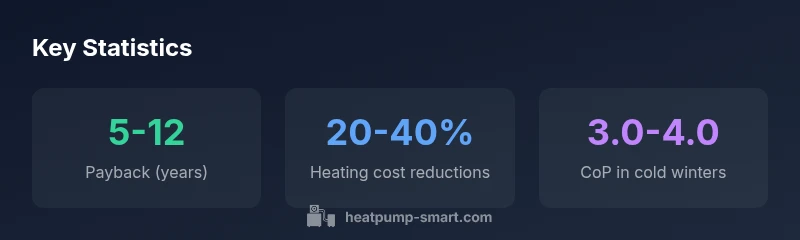
To decide if a heat pump is worth it for your property, start with a comprehensive energy audit and heat-loss assessment. Compare insulation improvements and radiator upgrades against the expected running costs of a heat pump. Gather at least three quotes that include sizing tests, installation timelines, and post-installation support. Consider seasonal usage, electrification goals, and potential incentives. If your home already performs well in energy efficiency metrics, a heat pump can offer compelling comfort and savings over a 5–12 year horizon, especially when tariffs stabilize or improve.
Authority sources and practical takeaways for decision-making
This section collects external sources that provide broader context for Scotland’s energy landscape and heat-pump guidance. For homeowners, corroborating your plan with official resources helps ensure you’re aligned with best practices and regulations. See government and major energy organizations for guidance on installation standards, incentives, and performance expectations. In summary, a well-insulated home paired with a properly sized heat pump often delivers better comfort and lower net costs over time than older heating systems.
Scotland-specific scenarios for heat pump payback
| Scenario | Estimated Payback (years) | Notes |
|---|---|---|
| New insulation + air-source heat pump | 5-10 | Insulation critical for efficiency |
| Typical retrofit in older Scottish home | 8-12 | Thermal upgrades boost payback |
| Hybrid or backup-heat setup | Varies | Depends on usage and controls |
Your Questions Answered
What makes heat pumps suitable for Scotland?
Heat pumps are well-suited for Scotland when the home is well insulated and appropriately sized. They deliver consistent heat at low operating costs in well-sealed buildings and can reduce reliance on fossil fuels when combined with efficient radiators and smart controls.
Heat pumps work best in cold climates when the home is well sealed and you use efficient radiators. Insulation and proper sizing are key.
Do I need planning permission for a heat pump installation?
Most domestic heat pump installations don’t require planning permission, but specifics can vary by location and system type. It’s wise to check local guidance and your installer can handle any necessary notifications.
Usually no planning approval is needed, but confirm with your installer and local rules.
Will a heat pump heat an old, large Scottish house?
Yes, but performance depends on insulation and radiator sizing. Large, drafty spaces benefit from insulation upgrades and possibly a hybrid approach to maintain comfort and efficiency.
It can, but you’ll likely need insulation upgrades and appropriate emitters.
How long does installation typically take?
Installation duration varies by property, system type, and required upgrades. A standard retrofit may take a few days to a week, with extra time for radiators or boiler transitions.
Most installs take several days, depending on upgrades.
Are air-source and ground-source heat pumps different for Scotland?
Air-source heat pumps are typically easier and cheaper to install and suit many Scottish homes, while ground-source systems offer high efficiency but require space and excavation. Choice depends on site constraints and long-term goals.
Air-source is common; ground-source is efficient but needs space.
What incentives or rebates help with costs?
Government and local schemes may offer incentives to offset installation costs. Check current programs for Scotland and work with your installer to maximize eligible support.
Look for current incentives in your area and confirm with installers.
“Heat pumps are most valuable when paired with solid insulation and careful design. For Scottish homes, the long-term payback hinges on envelope improvements and intelligent control strategies.”
Top Takeaways
- Assess insulation before sizing the system
- Expect payback to vary with tariffs and usage
- Choose the right heat pump type for your home
- Invest in professional sizing and installation
- Consider incentives and long-term decarbonization goals