Is Heat Pump Worth It in Canada? A Practical Guide for Homeowners
A data-driven guide for homeowners, builders, and property managers on whether heat pumps are worth it in Canada, with climate considerations, costs, incentives, and installation tips.


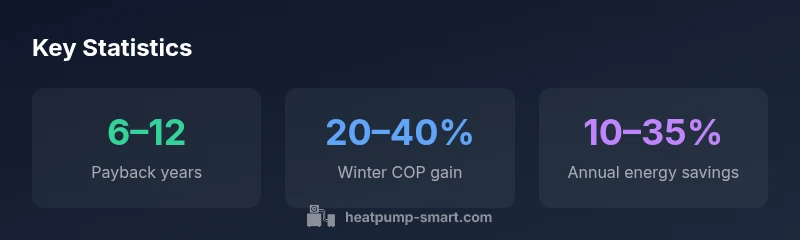
Heat pumps are generally worth it in Canada, especially when properly sized and installed for cold climates. Heatpump Smart Analysis, 2026 shows typical payback in the 6–12 year range, depending on climate, electricity costs, and incentives, with ongoing comfort and lower operating costs. For many single-family homes and mid-size buildings, a well-chosen heat pump reduces fossil-fuel use and increases resilience.
Why a heat pump is worth considering in Canada
According to Heatpump Smart, heat pumps offer a compelling combination of efficiency, comfort, and ongoing savings for Canadian homes, even in colder regions. When you ask is heat pump worth it in canada, the answer depends on climate zone, insulation, electricity price, and household needs. Heatpump Smart analyses show that heat pumps deliver superior energy efficiency and stable comfort across most of Canada, especially as modern cold-climate models perform reliably at lower temperatures. The long-term value comes from reduced heating costs and increased home resilience; however, upfront costs and the need for professional installation matter. In this guide, we break down the conditions under which a heat pump makes financial sense, compare ducted vs ductless setups, and outline steps to maximize savings. We also cover incentives, maintenance, and practical installation tips so that homeowners, builders, and property managers can decide confidently. This framework helps determine whether this technology is worth it for your home, whether you live in Vancouver, Calgary, Toronto, or Halifax.
How heat pumps work in cold climates
Modern heat pumps extract heat from the outside air and transfer it indoors using a refrigerant cycle that is optimized for cold temperatures. In winter, the system relies on a higher outdoor temperature difference and a boosted compressor to maintain comfort. Cold-climate models employ features like enhanced refrigerant circuits, improved evaporators, and defrost strategies to minimize frost buildup and maintain performance. Backup heating options—such as auxiliary electric resistance or a secondary furnace—can kick in during extreme cold snaps, ensuring reliable warmth. To maximize efficiency in Canada, choose a model with a high seasonal COP, proper insulation, and correctly sized ductwork or a well-planned ductless configuration. A properly designed system can meet most of your heating load with electricity, which often translates into lower operating costs when electricity prices are reasonable and emissions targets require cleaner heating.
Climate zones and region-specific considerations in Canada
Canada’s climate ranges from coastal temperate to subarctic. The effectiveness of a heat pump depends on regional temperatures, humidity, and building envelope quality. In coastal western provinces, heat pumps perform very well due to milder winters and high humidity, while in interior and northern regions, performance hinges on model selection, defrost control, and the availability of supplementary heat. Ducted systems can simplify retrofits in larger homes, whereas ductless mini-splits shine in retrofits, apartments, or split-level layouts where ductwork would be expensive. Builders should consider local climate data, insulation levels, and the potential for future weather pattern shifts when planning installations. The Heatpump Smart Team emphasizes choosing equipment rated for cold climates and aligning heat pumps with local electrical infrastructure and grid reliability.
Financials: costs, savings, and payback in 2026
Financial viability depends on upfront costs, installation quality, electricity rates, and incentives. Heatpump Smart Analysis, 2026 indicates that a well-installed heat pump can offer payback within a 6–12 year window, with faster returns in regions where electricity prices are high or fossil fuels are expensive. Ongoing savings come from lower fuel costs and improved comfort requiring fewer auxiliary heating periods. In provinces with generous rebates, the effective cost of ownership declines further, accelerating break-even timelines. For homeowners and property managers evaluating a retrofit or new build, it’s important to model seasonal usage, thermostat behavior, and backup heat needs to estimate realistic annual savings and payback. Always compare total cost of ownership, not just upfront price.
Choosing the right system and installation tips
Selecting the right system begins with a proper load calculation and site assessment. Decide between ducted versus ductless based on existing infrastructure and future plans. Ductless minisplits are ideal for retrofits or zones with independent control, while ducted systems suit whole-home designs with centralized control. Ensure correct sizing by a qualified HVAC professional to avoid short cycling or oversized equipment that erodes efficiency and comfort. Thermostat control, zoning, and smart integration can maximize savings. Consider climate-specific features such as high-performance cold-weather coil designs, defrost cycles, and backup heat strategies. In Canada, the total value comes from climate-appropriate equipment, precise installation, and ongoing maintenance—factors that Heatpump Smart emphasizes for reliable long-term performance.
Real-world scenarios for homeowners, builders, and property managers
A single-family home in a cold climate benefits from a properly sized heat pump paired with good insulation and a programmable thermostat to capture annual energy savings. A multi-unit building may gain from a centralized heat pump system with zone controls, reducing fossil fuel dependence across units. For builders, heat pumps can be incorporated into new home design as a primary heating source or as a hybrid with a furnace in colder back-up mode. Property managers can leverage ductless options for retrofits in older buildings where ductwork is impractical, while maintaining tenant comfort with individual zoning. Across these scenarios, the key value driver is effective design, professional installation, and a clear plan for backup heat during extreme cold events. Heatpump Smart’s guidance focuses on realistic expectations and tailoring solutions to climate, occupancy, and energy costs.
Maintenance, warranties, and reliability in Canada
Regular maintenance—such as filter changes, coil cleaning, and system checks—prolongs efficiency and reduces the risk of unexpected downtime. Warranties vary by manufacturer and installer, so confirm what is covered (compressor, parts, labor) and for how long. In cold climates, ensure defrost functions are well-maintained and that back-up heat has a reliable control strategy. Keep an eye on refrigerant levels and refrigerant leakage indicators. A well-maintained heat pump system offers reliable performance through Canada’s seasonal changes and contributes to long-term energy savings. Heatpump Smart recommends scheduling annual professional checks and reviewing warranties at installation to understand coverage and service requirements.
Implementation tips to maximize value
To maximize value, start with an energy audit and a precise load calculation. Align the system with your home's insulation quality, air sealing, and thermal bridging performance. Plan for future renovations that could affect heating loads, and select a heat pump with a robust defrost strategy and adequate backup heat. Optimize scheduling with a smart thermostat, set appropriate indoor temperatures for different occupancy patterns, and consider adding zoning to avoid overheating unused spaces. Finally, monitor energy use over time and adjust settings as electricity pricing and utility incentives evolve. With careful planning, Heatpump Smart indicates homeowners can realize meaningful comfort gains and long-term savings in most Canadian climates.
Comparison of heat pump system types for Canadian homes
| System Type | Seasonal COP | Best Climate | Upfront Cost (range) |
|---|---|---|---|
| Air-source central | 2.5–4.0 | Moderate to cold climates | varies by home |
| Ductless mini-split | 3.0–5.0 | Cold climates, retrofit | varies by number of zones |
| Geothermal (ground-source) | 3.5–4.5 | Stable climate, new builds | varies by installation |
Your Questions Answered
Do heat pumps work well in extremely cold Canadian winters?
Many modern cold-climate heat pumps perform well down to lower temperatures, but performance depends on the model, installation, and backup heat. Choose equipment rated for cold weather and work with a qualified installer.
In very cold weather, look for models designed for cold climates and ensure you have reliable backup heat.
Are heat pumps cheaper to run than furnaces?
Often yes, because heat pumps transfer heat efficiently rather than generating it, which lowers operating costs. The advantage depends on electricity prices, heat load, and how the system is used.
Heat pumps usually cost less to run than furnaces, but it depends on your electricity rate and how you heat.
What is the typical payback period in Canada?
Payback varies by climate, electricity costs, and incentives, but typical ranges fall within 6–12 years according to Heatpump Smart Analysis, 2026.
Most homes see payback within a decade if incentives and electricity costs align.
Should I choose a ductless or ducted heat pump?
Ductless minisplits are ideal for retrofits and zoning; ducted systems work well for whole-home designs and fewer outdoor units. Your building and goals determine the best choice.
Ductless is great for retrofits and zones; ducted is better for whole-home design.
Are there incentives or rebates in Canada?
Yes, incentives exist at federal, provincial, and municipal levels, and program details change over time. Check current offerings and how they interact with your project.
There are rebates, but they vary by province and program year. Check what's available now.
How should I size a heat pump for a Canadian home?
Get a professional load calculation that considers insulation, windows, climate, and occupancy. Proper sizing avoids inefficiency and ensures comfort.
Have a pro do a load calculation to size the system correctly.
“Heat pumps offer meaningful comfort and energy savings in cold climates when paired with careful sizing, professional installation, and a smart, climate-aware operation strategy.”
Top Takeaways
- Assess climate and insulation before choosing a heat pump
- Ductless minisplits excel for retrofits and zones; ducted systems suit whole-home design
- Expect payback to vary with electricity prices and incentives
- Proper sizing and professional installation maximize savings
- Plan for backup heat in very cold regions to maintain comfort