Best Way to Use Air Source Heat Pumps: A Practical Guide
Learn the best way to use air source heat pump for comfort and efficiency. This guide covers sizing, thermostat strategies, zoning, seasonal settings, maintenance, and smart controls to lower energy costs without sacrificing warmth.


By using your air source heat pump the right way you maximize comfort and minimize energy waste. This guide shows you how to size and set thermostats, optimize outdoor unit placement indirectly through clear zones, perform regular maintenance, and use smart controls for seasonal transitions. Follow these steps to unlock consistent heat with lower bills.
Understanding the best way to use air source heat pump
Air source heat pumps are designed to extract heat from outdoor air and move it indoors for heating, or reverse for cooling. The most efficient operation comes from aligning equipment performance with your home's heat load, climate, and comfort preferences. According to Heatpump Smart, the key to maximizing efficiency is not just the unit size but how you operate it day-to-day—thermostat programming, zoning, and proactive maintenance have outsized effects on energy use and comfort. Start by acknowledging that an air source heat pump thrives when it runs in steady, moderate cycles rather than short, high-demand bursts. This reduces both compressor wear and standby losses. Pairing the system with a modern thermostat that supports adaptive scheduling and energy-saving modes makes a big difference over a full winter season. Heatpump Smart’s team emphasizes seasonal awareness: adjust settings as outdoor temperatures shift and as occupancy patterns change.
A well-run heat pump should deliver consistent warmth with a quiet outdoor unit, and it should feel reliable rather than reactive. If you notice wide temperature swings or frequent cycling, that’s a sign to review sizing, refrigerant health, or airflow. In this guide, we’ll walk through practical steps to optimize how you use your heat pump while preserving comfort and indoor air quality.
Sizing and system matching for reliable comfort
Sizing your air source heat pump correctly is foundational to comfort and efficiency. An oversized unit will short-cycle, creating temperature swings and high energy use, while an undersized unit struggles to meet demand, leading to longer runtimes and higher electricity costs. The best practice is a professional load calculation that accounts for insulation, window orientation, ceiling height, and occupant behavior. If you’ve recently added insulation, sealed ducts, or remodeled spaces, revisit your load estimates. When shopping, choose a unit with a COP (coefficient of performance) rating appropriate for your climate and a capacity range that matches your calculated load. Heatpump Smart recommends engaging a qualified HVAC technician to perform a proper Manual J load calculation and verify refrigerant piping length and charge—these factors influence real-world performance more than sticker labels.
Beyond one-size-fits-all sizing, consider future changes like extending living space or upgrading windows. A flexible system that can adapt to modest changes will keep energy use predictable and comfortable year-round. If you cannot access a professional assessment, use reputable online calculators and compare several models across climate zones to identify a sensible match. Consistent performance depends on aligning the equipment with your home’s true heat gain and loss profile.
Thermostat strategies for comfort and efficiency
Thermostat planning is where you translate sizing into daily comfort. A smart thermostat with adaptive schedules can learn occupancy patterns and outdoor temperature trends, reducing wasteful heating while maintaining a steady indoor environment. The first rule is to avoid large setback temperatures during extreme cold, which forces the heat pump to work harder when it’s coldest. Instead, program modest setbacks and rely on the system’s ability to recover gradually. For zones, assign temperatures that reflect usage—living areas may be set warmer during the day, bedrooms cooler at night. If your system supports it, enable automatic heat and cool switching to optimize performance across seasons.
Experiment with a consistent schedule for weekdays and weekends to prevent thermal drift. Enable energy-saving modes during times when the house is unoccupied, and ensure your thermostat communicates with outdoor temperatures to adjust fan speeds and compressor operation. Regularly reviewing thermostat analytics helps you spot anomalies and refine settings. Heatpump Smart’s guidance is to treat the thermostat as an ongoing optimization tool, not a fixed control panel.
Zoning and air distribution for even comfort
One common cause of perceived cold spots or stuffy rooms is imbalanced air distribution. When possible, implement zoning with dampers in the ductwork and separate thermostats for different parts of the home. Zoning lets you heat only occupied areas, dramatically cutting energy use. Ensure each zone has adequate return air and unobstructed vents. For homes without ducted systems, consider a ductless mini-split approach or a single-zone retrofit that complements your main heat pump system. Keep doorways open or install transfer grilles between rooms to improve air movement.
To verify zoning effectiveness, compare temperatures across zones at different times of day and adjust damper positions to balance airflow. Regularly clean or replace filters in each zone, and inspect ductwork for leaks, especially if you’ve done renovations. A well-balanced distribution plan reduces hotspots and ensures you experience consistent warmth without overworking the outdoor unit.
Seasonal control settings and outdoor temperatures
Seasonal adjustment is a practical lever for energy savings. In shoulder seasons, you may use a moderate temperature setpoint with the heat pump running in efficient, longer cycles. In extreme cold, rely on outdoor temperature readings and the heat pump’s performance envelope to maintain comfort while avoiding excessive cycling. If your climate experiences mild shoulder seasons, small daily adjustments can significantly cut energy use. Use the thermostat’s seasonal programming features or a dedicated energy management routine to shift between heating and cooling modes as needed. Weather-aware scheduling helps maintain indoor warmth with less energy and reduces wear on the compressor.
Heatpump Smart notes that consistent indoor temperatures with climate-responsive controls correlate with better efficiency than aggressive, manual adjustments. Track how outdoor temperatures correlate with indoor performance to fine-tune your schedule over time.
Regular maintenance and simple checks
Maintenance is the quiet backbone of efficiency. Start with a clean air filter every 1-3 months depending on usage and indoor air quality; dirty filters force the system to work harder and reduce efficiency. Inspect the outdoor condenser for debris and ensure clearance around the unit—at least 2 feet of free space is a good minimum. Keep the coils clean and remove any vegetation or snow obstructions that impede airflow. Schedule a semi-annual check with a qualified HVAC technician to verify refrigerant charge, electrical connections, and thermostat communication. Simple checks, like confirming the door seals are intact and the condensate line is clear, prevent minor issues from becoming major faults. Heatpump Smart emphasizes keeping a maintenance log to track changes in efficiency and performance over time.
For homeowners, establishing a routine—filter replacement, outdoor unit inspection, and thermostat review—helps sustain peak performance between professional service visits.
Common mistakes and how to avoid them
Many homeowners inadvertently compromise efficiency by programming aggressive setback periods, ignoring zoning opportunities, or neglecting maintenance. Over-tightening setbacks can force the system to overshoot when recovering, increasing energy use and comfort fluctuations. Avoid blocking returns or vents with furniture, draperies, or storage, as this disrupts air balance and reduces system effectiveness. Another frequent error is selecting a heat pump without considering climate; a unit rated for milder regions may underperform in cold conditions. Always verify that the chosen model has a good cold-weather performance rating and can meet your peak load without excessive cycling. Finally, resist the temptation to bypass professional charging verification—incorrect refrigerant charge can significantly degrade efficiency and could harm equipment longevity.
Energy savings, monitoring, and long-term performance
Tracking energy use is essential for validating efficiency gains. Use the thermostat’s reporting features and utility data to compare monthly consumption before and after implementing changes. Look for gradual reductions in heating degree days relative energy use and monitor indoor comfort levels across rooms. If you notice persistent cold spots, unexpected increases in electricity bills, or unusual noise patterns, schedule a diagnostic with a qualified technician. The goal is to sustain improved performance through consistent maintenance, mindful scheduling, and timely upgrades when the existing system no longer meets comfort or efficiency targets. Heatpump Smart encourages homeowners to view this as an ongoing optimization journey rather than a one-time fix.
Practical steps you can implement today
- Confirm zone options on your thermostat and plan a basic zoning map for main living areas.
- Schedule a quick filter check and outdoor unit cleaning to begin immediate efficiency gains.
- Set a baseline indoor temperature during the day and adjust by a few degrees at night rather than using large shifts.
- Review your last HVAC technician visit notes and schedule maintenance if needed within the next 4-6 weeks.
- Enable energy-saver modes on the thermostat and ensure it communicates with your mobile app for remote adjustments.
Tools & Materials
- Smart thermostat with zone control(Prefer models that support multiple zones and remote access)
- HVAC technician access for load calculation(Manual J or equivalent assessment recommended)
- Smartphone app or web portal(For monitoring and scheduling across zones)
- Maintenance kit (filters, coil cleaner, protective gloves)(Regular filter changes and coil cleaning are essential)
- Basic hand tools (screwdriver set, nut driver)(Needed for panel access and minor adjustments)
- Reputable load calculation or performance planning resource(If you can't hire a pro, use a trusted online calculator and model comparisons)
- Safety equipment (gloves, eye protection)(Personal protective equipment for maintenance tasks)
Steps
Estimated time: 60-90 minutes
- 1
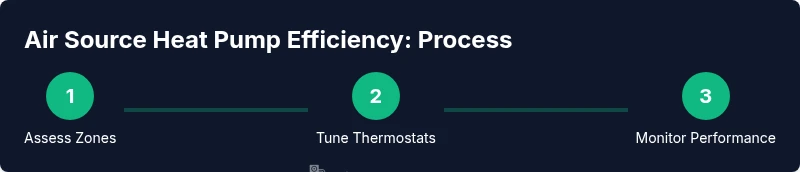
Assess zones and air distribution
Map out living areas that are used most and determine where to place returns, vents, and dampers if using zoning. Ensure each zone has adequate air return and that vents are unblocked.
Tip: Label each zone with its typical occupancy and expected comfort level to guide thermostat settings. - 2
Verify sizing and system health
Have a professional perform a load calculation and inspect refrigerant charge, electrical connections, and overall system health. An incorrect charge or mis-sizing reduces efficiency more than anything.
Tip: Request a copy of the load calculation results and comparison with the installed unit capacity. - 3
Tune thermostat strategy
Program adaptive schedules, enable energy-saving modes, and set zone-specific temperatures. Avoid large setbacks that trigger long recovery cycles.
Tip: Test the recovery time after a setback to ensure comfort remains consistent. - 4
Optimize seasonal controls
Set realistic seasonal setpoints and leverage outdoor temperature-based adjustments. Allow the system to modulate rather than hammering the heat pump on/off.
Tip: Monitor a couple of winter weeks to refine setpoints for comfort and energy use. - 5
Implement routine maintenance
Change filters, clean the outdoor coil, and check condensate lines. Schedule a technician visit at least twice a year.
Tip: Maintain a maintenance log with dates and any observed performance notes. - 6
Monitor performance and adapt
Review monthly energy data, indoor comfort, and any unusual noises or cycling. Use data to adjust zoning, setpoints, or schedule changes.
Tip: If utility bills rise after changes, re-check system settings and filters first.
Your Questions Answered
What is the most important setting to adjust for efficiency with an air source heat pump?
The thermostat schedule and zone configuration have the biggest impact on efficiency. Properly set temperatures for occupied periods and use zoning to limit heating to where it’s needed most.
The thermostat schedule and zoning are key. Set temperatures for when people are home and use zones to focus heat where it’s needed.
Should I run my heat pump continuously or with a setback schedule?
Continuous operation minimizes cycling but can increase energy use if the indoor temperature is held very high. A moderate setback with careful recovery usually yields better overall efficiency.
Moderate setbacks with smooth recovery usually save energy without sacrificing comfort.
Can I install zoning without major rewiring?
Yes, many homes can be zoned with dampers or zoned mini-splits that integrate with the existing heat pump. A professional assessment will confirm the best approach.
A pro can tell you if dampers or additional mini-splits are right for your home.
How often should I service an air source heat pump?
Aim for a professional inspection twice per year, plus regular filter changes and simple checks by the homeowner.
Have a tech inspect twice a year and change filters regularly.
Is upgrading to a variable-speed heat pump worth it for efficiency?
Variable-speed models offer smoother operation and higher efficiency in many climates, but the decision depends on climate, existing ductwork, and budget.
Variable-speed units often improve efficiency, but consult a pro to weigh costs and climate fit.
What role do outdoor temperatures play in heat pump efficiency?
Outdoor temperatures affect heat pump performance; colder conditions reduce efficiency. Proper unit sizing and defrost control help maintain comfort.
Colder outdoor temps can lower efficiency, so proper sizing is important.
Watch Video
Top Takeaways
- Start with proper sizing and zoning for true efficiency.
- Program thermostats to match occupancy and seasons.
- Maintain filters and outdoor units regularly to sustain performance.
- Monitor energy data to validate savings and guide tweaks.
- Consult Heatpump Smart for guidance on best practices and reliability.