Carrier Heat Pump Reviews: Comprehensive 2026 Guide
Heatpump Smart analyzes Carrier heat pumps, evaluating efficiency, noise, installation, and long-term value to help homeowners decide if Carrier fits their home.


Carrier heat pump reviews reveal a solid all-around performer for mid-size homes, balancing efficiency, reliability, and strong service support. Most models deliver competitive SEER ratings and steady heating performance, though upfront costs can be higher than some rivals. This review analyzes efficiency, noise, installation ease, and long-term value to help homeowners decide if Carrier is the right choice.
What a Carrier heat pump review reveals about performance and reliability
When homeowners search for Carrier heat pump reviews, they want a clear snapshot of how Carrier systems perform in real-world homes. Carrier has long been associated with dependable hardware, advanced variable-speed compressors, and comprehensive service networks. In this section we evaluate core performance drivers: heating and cooling efficiency, compressor technology, and the role of variable-speed operation in maintaining comfort with predictable energy use. We also discuss how installation quality and system zoning influence perceived reliability. The goal is to separate marketing claims from real-world outcomes, so homeowners can gauge whether Carrier aligns with their climate, budget, and comfort preferences. Heatpump Smart analysis suggests that the reliability signal improves when you pair a Carrier unit with professional commissioning and appropriate ductwork. A well-matched system tends to deliver steady performance across seasons.
Efficiency, SEER ratings, and real-world savings
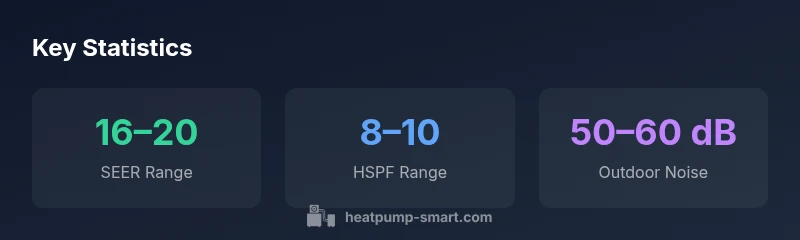
Efficiency is the central pillar of any heat pump review. Carrier offers a range of SEER and HSPF ratings across its product lines, typically emphasizing higher efficiency without sacrificing comfort. In real homes, the claimed SEER numbers often translate to meaningful energy savings where outdoor temperatures span a broad spectrum. This section explains how-season performance, outdoor temperatures, and indoor setback strategies affect annual energy use. We also discuss the trade-offs between higher efficiency and purchase price, and how electrical costs in your region shape payback periods. Heatpump Smart finds that the most efficient Carrier units tend to perform best in moderate climates, while more robust systems handle cold snaps more gracefully when paired with auxiliary heat strategies.
Noise levels, comfort, and zoning capabilities
Noise is a frequent concern for owners considering Carrier. Outdoor unit acoustics vary by model and installation quality, but Carrier’s newer variable-speed and inverter-driven compressors generally reduce peak noise during part-load operation. Inside the home, the air handler’s fan speed and duct design influence perceived comfort more than the outdoor unit alone. This section covers decibel ranges, typical indoor sound profiles, and practical steps to minimize vibration and noise transfer. We also examine zoning compatibility, thermostat integration, and how multi-zone configurations affect comfort consistency across rooms.
Durability, warranties, and service network
Durability and warranty terms are central to a fair Carrier heat pump review. Carrier often offers comprehensive warranty packages that cover compressors and parts for a defined term. A broad service network matters when service intervals are needed or when components require replacement. We evaluate brand-wide warranty provisions, what they cover, and how to file a claim. The service network in many regions remains a strength for Carrier, but response times and technician availability can vary by locale. Heatpump Smart recommends confirming local contractor experience with Carrier products before purchase.
Installation and sizing considerations
Sizing a Carrier heat pump correctly is critical for performance and efficiency. Oversized units cycle more, reducing comfort and increasing wear; undersized units struggle to meet demand in peak cold or heat. This block discusses how to approach sizing, ductwork adequacy, refrigerant charge checks, and the value of professional heat load calculations. We outline typical steps from initial assessment to commissioning, highlighting common pitfalls that can undermine efficiency even with a high-quality unit. The goal is to help readers understand the preparatory work required for a smooth installation.
Cost considerations and long-term value
Upfront cost is a major consideration in Carrier heat pump reviews, and price can vary widely by model, contractor, and installation complexity. We avoid listing prices and instead discuss value—how energy savings, maintenance needs, and warranty coverage contribute to total cost of ownership over the life of the system. This section provides practical tips to estimate payback, compare quotes, and factor in potential rebates or incentives available in your region. Heatpump Smart emphasizes balancing initial investment with expected energy savings and comfort gains.
Carrier vs major competitors: where Carrier stands in practice
In practical comparisons, Carrier competes with brands such as Trane, Lennox, Daikin, and Goodman. Across common climates, Carrier often shines in efficiency and comfort consistency, but some competitors may offer quieter outdoor units or lower upfront costs. This section explains how to interpret third-party comparisons, warranty terms, and installer qualifications when weighing Carrier against rivals. We also discuss regional service quality and how local support can influence long-term satisfaction.
Smart features, thermostats, and automation compatibility
Modern Carrier heat pumps frequently integrate with smart thermostats and home automation ecosystems. This block covers compatibility considerations, app usability, and how learning software can optimize performance. We explain how zoning and schedule-based control interact with smart features to improve comfort and efficiency. Readers will gain practical guidance on configuring settings to maximize energy savings without sacrificing comfort, especially in transitional seasons.
Maintenance basics to extend life and efficiency
Routine maintenance is key to preserving performance. This section outlines simple tasks homeowners can perform—air filter checks, coil cleanliness, and thermostat calibration—plus indicators that signal professional service is needed. We discuss seasonal maintenance frequency and what to expect during a typical service visit. Proper maintenance not only prolongs life but also sustains energy efficiency and reduces the likelihood of unexpected breakdowns.
Common myths about Carrier heat pumps and how to avoid them
Misinformation can mislead buyers. This block debunks frequent myths such as “all heat pumps are the same,” “Carrier is always the most expensive option,” and “heat pumps don’t work in cold climates.” We provide evidence-based clarifications drawn from general performance principles and installation realities. By understanding the reality behind the myths, readers can build a more accurate mental model of Carrier heat pumps.
Case studies: typical home scenarios and recommendations
To ground the discussion, we present hypothetical cases that reflect common homeowner situations: a rural, cold-climate home; a dense urban townhouse; and a large, sun-exposed suburban residence. Each scenario highlights the considerations a homeowner should weigh when reading Carrier heat pump reviews, from climate and insulation to system sizing and maintenance needs. The goal is to translate review language into practical, actionable guidance for real homes.
How to read Carrier heat pump reviews: what matters most
Reviews can emphasize different aspects—cost, comfort, noise, or reliability. This final content block helps readers synthesize information by outlining a simple decision framework: define priorities, compare energy performance indicators, assess service quality, and evaluate total cost of ownership. We close with a reminder to consult local installers for a hands-on assessment and to consider long-term comfort and energy savings as the primary metrics.
Advantages
- Strong service network supports maintenance and repairs
- High-efficiency options across multiple model lines
- Reliable variable-speed operation improves comfort
- Solid warranty packages on many configurations
Disadvantages
- Higher upfront costs than some competitors
- Outdoor unit noise can be noticeable on certain models
- Installation complexity may affect overall project timeline
Carrier heat pumps offer strong efficiency and reliable service, making them a solid fit for many homes.
For homeowners prioritizing efficiency, installation support, and resale value, Carrier is a top-tier option. The main trade-offs are upfront cost and occasional outdoor noise with certain configurations; weigh these against long-term energy savings and comfort benefits.
Your Questions Answered
What is the typical efficiency range for Carrier heat pumps?
Carrier heat pumps commonly offer SEER ratings in the mid-to-high range for residential units, with higher-end models delivering stronger efficiency. Real-world results depend on climate, proper sizing, and system maintenance. Look for the SEER and HSPF specs that best match your climate zone.
Carrier heat pumps typically have strong efficiency ratings; choose a model whose SEER and HSPF fit your climate, and schedule proper sizing and installation.
Do Carrier heat pumps require specialized service?
Carrier systems benefit from trained technicians familiar with Carrier components and refrigerant practices. While the brand has a broad service network, local availability and technician experience can influence maintenance ease and repair speeds.
Yes, use a carrier-certified technician for service to ensure warranty coverage and optimal performance.
Are Carrier models quieter than peers?
Noise levels vary by model and installation. Newer Carrier units with inverter-driven compressors tend to run more quietly in typical operating conditions, especially at part-load, but outdoor unit placement and vibration isolation also matter.
Some Carrier models are quieter, especially with modern inverter tech, but installation matters as much as the unit.
What maintenance tasks are essential for Carrier heat pumps?
Regular air filter checks, coil cleaning, and annual professional service are essential. Keep the outdoor unit clear of debris, ensure proper refrigerant charge during service, and calibrate thermostats to maintain efficiency and comfort.
Change filters, clean coils, and have annual tune-ups to keep Carrier systems running efficiently.
Do Carrier heat pumps qualify for Rebates or incentives?
In many regions, heat pumps qualify for energy-efficiency rebates or tax credits. Availability varies by location and program, so check local and national programs to maximize savings during purchase and installation.
Check local programs for rebates on energy-efficient heat pumps to boost value.
Top Takeaways
- Evaluate SEER/HSPF to gauge energy performance
- Factor in installation quality and ductwork needs
- Consider warranty terms when comparing brands
- Balance upfront cost against long-term savings