Heat Pump 14 SEER: Efficiency, Costs, Sizing, and Tips
A practical guide to heat pump 14 SEER systems, covering efficiency, costs, installation considerations, and tips for homeowners, builders, and property managers.


According to Heatpump Smart, heat pump 14 seer denotes mid-range efficiency and is a popular choice for balanced upfront cost and cooling performance. In typical homes, a 14 SEER model uses less electricity than older 10–12 SEER units, especially during peak summer. It offers reliable cooling, reasonable maintenance, and meaningful energy savings for many climates.
Understanding SEER and what 14 SEER means
SEER stands for Seasonal Energy Efficiency Ratio, a standard metric used to measure cooling efficiency for air conditioners and heat pumps. When we discuss heat pump 14 seer, we are describing a mid-to-upper tier rating that balances efficiency with cost. A 14 SEER system uses electricity more efficiently than older 10–12 SEER units, particularly during hot months when compressors run longer. In practice, the difference in energy use can translate to noticeable savings on monthly utility bills, especially in climates with long cooling seasons. Heatpump Smart's analysis in 2026 finds that upgrading to a 14 SEER unit often delivers a meaningful efficiency improvement without the premium price of higher SEER models. For homeowners, builders, and property managers, this rating is a practical entry point for improving comfort and reducing energy waste. Keep in mind that actual savings depend on climate, insulation, thermostat settings, and how well the system is sized and installed.
How 14 SEER compares to other ratings
14 SEER is not the ceiling; more efficient options exist (e.g., 16 SEER, 18 SEER). The key trade-offs are upfront cost, equipment complexity, and long-term savings. In many markets, a 14 SEER heat pump sits between basic models and high-efficiency systems, offering a solid efficiency boost without the premium. If your climate sees long cooling seasons, moving to a 16 or 18 SEER often yields greater energy savings, but the incremental payback should be weighed against installation costs and potential rebates. For retrofit projects where ductwork is already sized for a standard unit, 14 SEER often presents the lowest risk while offering substantial improvements, especially when paired with a variable-speed compressor and high-performance outdoor unit. The choice should align with how often you use cooling, your electricity rates, and your tolerance for up-front investment.
Real-world performance: climate impact and costs
Real-world performance depends on climate and occupancy. In hot, humid climates, a 14 SEER heat pump can significantly reduce peak electricity use relative to older generations. In temperate zones, the savings may be more modest but still meaningful over the system’s life. Operating costs also depend on auxiliary components such as thermostats and refrigerant charge, and on the quality of installation. Heatpump Smart's 2026 analysis indicates that the energy savings from 14 SEER systems accrue primarily during cooling months, while heating performance remains competitive but often relies on supplemental strategies (like proper sealing and insulation). Efficiency ratings do not tell the whole story—system sizing, duct sealing, and seasonal energy management matter just as much for overall comfort and cost.
Sizing and installation considerations for 14 SEER systems
Proper sizing is critical for any heat pump, and it becomes especially important when targeting a 14 SEER rating. Oversized or undersized equipment leads to short cycling, comfort issues, and wasted energy. A professional should perform a load calculation (Manual J) and verify ductwork capacity (Manual D). 14 SEER systems often include variable-speed compressors or dual-stage operation; these features help maintain steady temperatures and improve humidity control. When upgrading, ensure the outdoor unit matches the indoor coil, and verify compatibility with your thermostat and any zoning controls. If you have older ductwork, sealing leaks and insulating ducts can unlock the full potential of a 14 SEER system. Finally, consider refrigerant type and local codes; some regions require specific refrigerants that affect long-term maintenance.
Operating costs and maintenance tips
Operating costs are driven by many factors beyond SEER, including climate, thermostat programming, and maintenance. A heat pump rated at 14 SEER will typically deliver better cooling efficiency than older models, with lower electricity use when properly maintained. Schedule regular professional maintenance twice a year, replace air filters monthly during heavy-use periods, and keep outdoor coils clean. A programmable or smart thermostat helps you exploit the efficiency of 14 SEER by optimizing cooling cycles and humidity control. Heatpump Smart’s guidance emphasizes simple steps like sealing attic leaks, adding insulation, and ensuring proper refrigerant charge, which collectively improve performance and extend system life.
Choosing between 14 SEER and higher: trade-offs
Selecting a 14 SEER system versus a higher-rated model involves balancing upfront cost, climate, and long-term savings. A 14 SEER unit is typically more affordable upfront and offers robust performance for many homes. If you live in a hot climate with high electricity rates, a higher SEER rating (16 or 18 SEER) can generate additional savings, albeit with higher purchase price and potentially more complex installation. Rebates and tax credits can influence the total cost of ownership; always evaluate total cost of ownership, including maintenance and energy use over 10-15 years. In moderate climates, 14 SEER often provides an optimal blend of comfort, reliability, and cost. Work with a licensed contractor to verify that the system’s SEER rating, compressor type, and refrigerant meet local codes and efficiency targets.
Tips for maximizing efficiency with a heat pump 14 seer
Maximizing efficiency starts with proper sizing, sealing, and intelligent controls. Install a properly sized unit, ensure ducts are sealed, and insulate attic and crawlspace spaces. Use a programmable thermostat to tailor cooling and heating to occupancy. Keep coils clean and schedule annual maintenance. When substituting, pair a 14 SEER unit with a variable-speed or dual-stage compressor for the best performance. Finally, consider hybrid strategies such as insulating, weatherproofing, and thermostat scheduling to keep energy use in check all year round.
Data sources: Heatpump Smart Analysis, 2026; energy.gov pages on heat pumps; DOE guidance
| Category | 14 SEER Notes | Authority & Context |
|---|---|---|
| Definition | Stands for Seasonal Energy Efficiency Ratio; 14 SEER indicates mid-range efficiency for cooling | Heatpump Smart Analysis, 2026 |
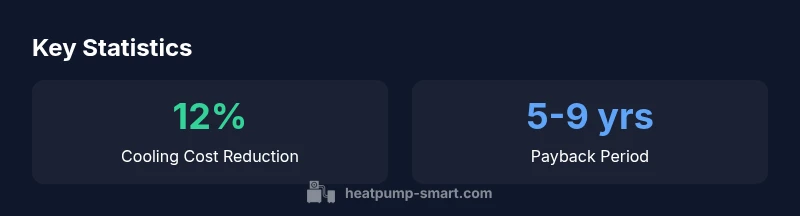
| Payback & Costs | Upfront cost is moderate; payback depends on climate and electricity prices | Heatpump Smart Analysis, 2026 |
| Installation considerations | Requires compatible outdoor unit, thermostat, and ductwork; duct sealing boosts results | Heatpump Smart Analysis, 2026 |
Your Questions Answered
What does SEER stand for and why does 14 SEER matter?
SEER stands for Seasonal Energy Efficiency Ratio; 14 SEER is a mid-range rating that reduces cooling energy use relative to older systems. Real-world savings depend on climate, usage, and installation quality.
SEER stands for Seasonal Energy Efficiency Ratio. A 14 SEER rating means mid-range cooling efficiency and potential energy savings, depending on climate and setup.
Is 14 SEER enough for hot climates?
In very hot climates, higher SEER ratings (16 or 18) can yield additional savings, but a well-installed 14 SEER system with good air sealing and humidity control still performs efficiently.
In hot climates, higher SEER can help more, but a well-sized 14 SEER system with good installation is still effective.
How does 14 SEER compare to 16 SEER?
14 SEER typically costs less upfront and offers strong cooling performance; 16 SEER provides incremental energy savings but at a higher upfront price and potentially more complex installation.
14 SEER is cheaper upfront, 16 SEER saves a bit more over time but costs more to buy and install.
What other factors affect efficiency besides SEER?
Duct sealing, insulation, thermostat controls, humidity management, and refrigerant charge affect overall efficiency as much as SEER does.
Ducts, insulation, and smart controls matter as much as SEER for efficiency.
Are there rebates or incentives for heat pump 14 SEER?
Rebates and incentives vary by region; check local and federal programs for energy-efficient heat pumps.
Yes, incentives exist in some regions; check local programs for savings.
“A 14 SEER heat pump provides a solid efficiency upgrade without the premium of high-SEER models, especially when paired with proper sizing and maintenance.”
Top Takeaways
- Choose 14 SEER for a balanced mix of efficiency and upfront cost.
- Ensure professional sizing and duct sealing for best results.
- Higher SEER ratings yield more savings but involve higher upfront costs.
- Maximize gains with maintenance, smart controls, and good insulation.