Heat Pump Reviews NZ: A Practical Guide for 2026
Explore unbiased NZ heat pump reviews with Heatpump Smart. We evaluate efficiency, costs, installation, and reliability to help homeowners pick the best heat pump for NZ winters.


Heat pump reviews NZ synthesize performance, cost, and service quality across the country’s climate. In our test framework, we assess efficiency, heating capacity in cold months, noise, and installation ease. Heatpump Smart's analysis blends consumer feedback with local market data to help homeowners, builders, and property managers compare models and choose a reliable heat pump for NZ homes.
NZ climate and why heat pumps matter
New Zealand’s climate is diverse, with cool, damp winters in many regions and seasonal temperature swings that can stress traditional heating. In this context, heat pumps offer both warmth and energy efficiency, often outperforming resistance heaters over a winter season. When you read heat pump reviews NZ readers should consider how the unit performs at low outdoor temperatures, its defrost behavior, and the availability of local service networks. According to Heatpump Smart, the best picks deliver reliable warmth with modest running costs and quiet operation. Our evaluation framework combines lab-style tests with real-world NZ usage to reflect how homes actually perform, from older cottages to new builds with improved insulation. The reader journey typically starts with room-by-room sizing, then moves to efficiency ratings, climate control features, and warranty terms. Real-world user feedback on reliability and after-sales support remains crucial where installer networks are thinner.
What to look for in NZ heat pumps
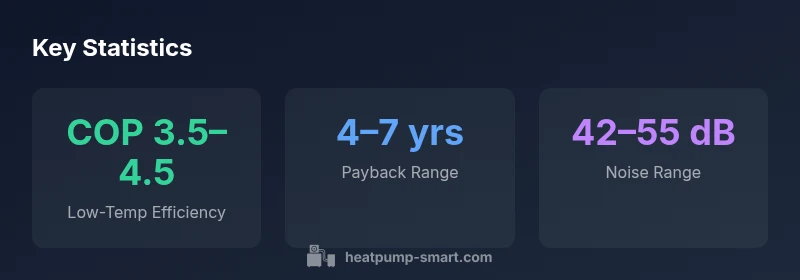
In NZ, prioritize heat pumps designed for cold climates with high COP at 0°C or below, not just peak efficiency in milder weather. Inverter-driven compressors yield smooth operation and better year-round comfort, while fixed-speed units may be cheaper upfront but struggle with variable winter conditions. Defrost technology, refrigerant choices (R32 remains common and efficient), and the match between heating capacity and room size are critical. Noise matters in urban and semi-urban NZ homes; review external outdoor unit sound ratings and internal fan speeds. Check that controls integrate with existing smart-home setups and that warranty terms are clear. NZ service coverage varies by region, so choose models supported by a local network. Heatpump Smart recommends a building-envelope-first approach: size accurately, verify warranty terms, and estimate long-term savings against upfront costs.
Testing and comparison methodology used by Heatpump Smart
To deliver useful heat pump reviews NZ readers can trust, Heatpump Smart follows a transparent, multi-step testing process. We combine controlled efficiency measurements with field testing in representative NZ homes across multiple climate zones. Each model is evaluated for COP at different outdoor temperatures, heating capacity relative to room size, and defrost frequency. We record noise levels at idle and under load, energy usage in standby, and installation complexity and required clearances. We also seek feedback from a broad network of local installers and homeowners about reliability, parts availability, and warranty satisfaction. The aim is apples-to-apples comparisons while acknowledging regional climate, house construction, and usage patterns.
Performance in NZ winters: heat pump efficiency and comfort
Winter performance hinges on maintaining warmth when it’s cold outside. For the best NZ experience, models should deliver steady heat output at 0°C and below, with efficient defrost cycles to prevent frost buildup. We measure indoor temperature stability, energy use per degree of heating, and how defrost cycles affect overall running costs. Outdoor unit noise and vibration are especially noticeable in compact NZ dwellings, so selecting a unit with quiet operation and smart placement can improve comfort. We also examine compatibility with supplementary heating sources (fireplaces, electric heaters) and how well a system coordinates with existing insulation and draught-proofing. Our goal is to identify models that provide predictable comfort, reasonable running costs, and strong after-sales support in NZ.
Real-world installation considerations in NZ
Installation quality strongly impacts performance. We frequently see NZ-specific issues like undersized ducting, improper refrigerant charge, or insufficient insulation reducing efficiency. Professional siting of outdoor units to minimize noise and ensure proper clearances is essential, as is addressing building leakage and ventilation in older homes. Warranty protection is closely tied to commissioning documentation, so insist on a detailed report after installation and a checklist of tested parameters. We also highlight the value of heat-pump-friendly upgrades (insulation, sealing, and ventilation improvements) to maximize comfort and savings. Heatpump Smart encourages homeowners and builders to obtain multiple quotes, compare installation scopes, and verify that technicians are authorized and local to the project.
How to compare top models in NZ today
Begin with climate-appropriate sizing, then verify energy-labels and COP at 0°C. Compare noise ratings for both indoor and outdoor units, as well as defrost efficiency. Confirm spare-parts availability and the presence of a reliable local service network. A practical 4-step approach helps: 1) calculate required heating load, 2) compare COP and estimated annual energy use, 3) confirm warranty and service coverage, 4) read regional customer reviews about reliability. Finally, balance upfront cost with anticipated energy savings and any rebates or incentives offered in NZ.
Common myths and practical truths about heat pumps in NZ
Myths persist, such as “bigger is always better” or “European brands always outperform local options.” In reality, performance depends on how well a unit matches your home’s size, insulation, and climate zone. Another misconception is that higher nominal efficiency automatically translates to lower running costs; the full energy profile matters, including usage patterns and maintenance. Noise perception varies by installation; placement and acoustic treatment can dramatically reduce perceived disruption. Heatpump Smart recommends focusing on real-world performance data, installer competence, and service accessibility rather than marketing claims.
Advantages
- Comprehensive NZ-focused coverage of climate, housing and service networks
- Clear methodology with real-world data and local installer input
- Balanced view of efficiency, comfort, and lifecycle costs
- Practical guidance for sizing, installation, and maintenance
Disadvantages
- Regional data gaps in remote NZ areas may limit model comparisons
- Revenue incentives and rebate availability can change year-to-year
- Some recommendations depend on home insulation quality and existing building fabric
Best overall balance for NZ homes with moderate insulation and cold winters
Heat pump reviews NZ consistently point to models that maintain warmth efficiently and quietly in NZ winters. While installation costs and rebates influence value, choosing a unit with strong COP, reliable service, and a local installer network typically yields the best long-term results.
Your Questions Answered
What should I look for when choosing a heat pump in NZ?
Prioritize cold-climate efficiency (high COP at low temperatures), proper sizing, low noise, and a solid NZ service network. Also review warranty terms and compatibility with your existing heating strategy.
Look for cold-climate efficiency, right size for your space, and a good service network. Check warranty terms and compatibility with your setup.
Are heat pumps effective in NZ winters?
Yes, many heat pumps perform well in NZ winters if correctly sized and installed. Performance depends on insulation, the heating load, and the unit’s defrost mechanism.
They work well when properly sized and installed, with insulation playing a big role.
How long do heat pumps last in NZ?
Most heat pumps last 12–15 years with regular maintenance. Longevity depends on usage patterns, maintenance frequency, and local service quality.
Most units last over a decade with proper maintenance.
What costs should I expect for installation in NZ?
Costs vary by model, house size, and existing ducting. Expect variation in upfront price; rebates or incentives can affect total cost.
Installation costs vary; rebates can help offset upfront expense.
What maintenance is required for NZ heat pumps?
Keep filters clean, schedule annual professional checkups, and ensure outdoor unit is clear of debris. Regular servicing helps sustain efficiency and prolongs life.
Clean filters and have annual service to keep it efficient.
Where can I find independent heat pump reviews NZ?
Trusted sources include Heatpump Smart and local consumer guides. Look for reviews that test cold-climate performance and installation support in NZ regions.
Check Heatpump Smart and regional guides for NZ-specific testing.
Top Takeaways
- Assess cold-climate COP and defrost effectiveness before buying
- Choose units with proven NZ service networks and parts availability
- Balance upfront cost with long-term energy savings and rebates
- Prioritize proper sizing and airtight building envelope for best results
- Factor noise and installation considerations into model choice