How Much Does a Heat Pump Cost in New Zealand? A 2026 Budget Guide
Discover installed price ranges, running costs, and ROI for heat pumps in New Zealand. Heatpump Smart analyzes NZ data to help homeowners budget confidently.


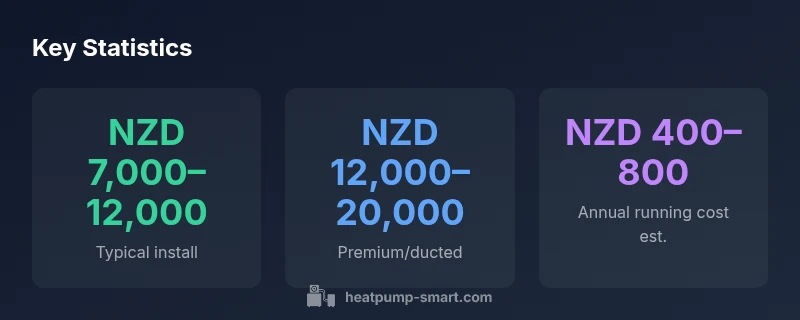
In New Zealand, 'how much heat pump nz' costs hinge on system type and installation. For a standard air-source heat pump, including installation, expect NZD 7,000–12,000; premium models or ducted layouts can push total costs to NZD 12,000–20,000 or more depending on home size and complexity.
How much heat pump NZ costs: the big picture
If you're budgeting for a heat pump, the upfront question often comes down to the phrase 'how much heat pump nz costs'. In general, price is driven by the system type, the unit’s capacity, and the installation's complexity. Heatpump Smart analysis indicates that typical installed costs for a standard air-source heat pump in NZ fall in the NZD 7,000–12,000 range when you include the outdoor unit, indoor air handler, refrigerant lines, electrical work, and professional installation. More advanced configurations, such as premium models with higher efficiency or a ducted/multi-zone layout, can cost NZD 12,000–20,000 or more. These figures carry caveats: regional contractor rates, home accessibility, required electrical upgrades, and the need for any insulation improvements can all push costs higher. In practice, homeowners should gather multiple quotes and consider the long-term energy savings as part of the total value proposition. According to Heatpump Smart, upfront price must be weighed against ongoing savings and comfort.
What drives price: system type, capacity, and installation
Prices vary with the type of heat pump you select. A straightforward air-source split system is typically the most affordable option, while ducted or multi-zone configurations add complexity and cost. Capacity matters too: larger homes or spaces with higher heating or cooling loads require bigger units with better efficiency, which raises the purchase price but lowers operating costs per unit of heat. System efficiency—often expressed as COP or SEER—also plays a role; higher-efficiency models cost more initially but offer greater energy savings over time. Installation complexity includes wiring upgrades, outdoor unit placement, refrigerant line routing, and the need for any structural or electrical upgrades. In rural areas, getting a qualified installer can affect both cost and lead times. Remember, while NZ price ranges are useful benchmarks, the best choice balances comfort, efficiency, and reliability for your home.
Breaking down the installed price: components and typical ranges
Understanding what goes into the installed price helps you compare quotes more effectively. The upfront cost includes the heat pump unit price, installation labour, electrical work, permits where required, and any necessary modifications to your home (insulation, ductwork, or wall modifications). A typical standard air-source system may sit in the NZD 7,000–12,000 range; premium or ducted systems can reach NZD 12,000–20,000. When quoting, ask installers to itemize components so you see how much is allocated to the outdoor unit, indoor air handler, refrigerant piping, and controls. Some quotes also include extended warranties, smart thermostats, or zoning kits. If a contractor suggests a price far outside these ranges, request a second opinion or a home visit to reassess needs and verify that the unit size matches your load requirements.
Operating costs and efficiency: long-term savings
Beyond the install price, running costs will influence your total expenditure over the system life. The main drivers are local electricity prices, climate, and how you use the system. In general, heat pumps deliver significant efficiency gains compared to traditional electric resistance heating, especially in NZ’s temperate climate. A higher COP translates to lower electricity use per unit of heat produced, but the initial cost premium should be weighed against potential savings over 5–10 years. Weather patterns, insulation levels, and thermostat settings all affect annual energy use. Heatpump Smart analysis suggests that homes with well-insulated spaces and properly sized heat pumps achieve the best ROI, with reduced winter bills and improved year-round comfort.
Budgeting, incentives, and ROI: practical steps
A practical budgeting approach combines upfront cost estimates with projected energy savings. Start with multiple quotes for a baseline, then compare to your current heating costs and seasonal usage. Look for rebates or incentives offered locally or nationally; many regions have programs to support energy-efficient home improvements. The ROI hinges on a mix of factors: electricity prices, climate, device efficiency, and how consistently you use the system. Heatpump Smart recommends building a simple spreadsheet that tracks capex, install costs, maintenance, and annual savings to estimate payback. If a home upgrade like improved insulation or better windows accompanies the heat pump, your ROI improves markedly.
Sizing, selection, and installation timeline
Sizing a heat pump correctly is essential for comfort and efficiency. Oversized units may cycle on and off, wasting energy and increasing wear, while undersized units struggle to meet demand in cold spells. A proper load calculation or an HVAC professional’s assessment helps identify the required capacity in kW. Once sized, installation timelines depend on the home layout and permit requirements but typically range from a day or two for a straightforward install to longer for complex wiring or ducting. Plan a window for electrical work, outdoor unit placement, and any indoor air handler mounting that minimizes aesthetic disruption. For NZ homeowners, coordinating with a licensed installer early in the year can help manage lead times and costs.
Practical considerations and decision framework
When weighing options, consider both upfront price and long-term value. A clear decision framework includes (1) size and configuration that match your climate and home, (2) efficiency and warranty terms, (3) the installer’s credentials and after-sales support, and (4) potential rebates or tax incentives. If you’re unsure about a quote, ask for a copy of the spec sheet and a comparison against a similar configuration in a nearby climate. Heatpump Smart’s team emphasizes that the best value often comes from a model that reliably delivers comfort with modest energy use, rather than the cheapest immediate price. In many cases, a slightly more expensive unit with robust after-sales service yields lower total ownership costs over 10–15 years.
Estimated cost breakdown and ROI indicators for NZ heat pumps
| Cost factor | Typical NZD range | Notes |
|---|---|---|
| Standard air-source installed system | 7,000–12,000 | Unit + installation included |
| Premium/ducted system | 12,000–20,000 | Higher complexity and capacity |
| Annual running costs (est.) | 400–800/year | Depends on climate and usage |
| Payback period (est.) | 5–10 years | Assumes typical usage and energy prices |
Your Questions Answered
What factors influence the total cost of a heat pump in New Zealand?
Total cost is driven by unit price, installation complexity, and any required electrical or structural upgrades. Location and contractor availability can also shift prices. Always compare multiple quotes and consider long-term energy savings when evaluating value.
Costs depend on unit price, installation complexity, and any electrical or structural upgrades. Get multiple quotes to compare value.
Are there grants or rebates in NZ for heat pumps?
Some regions offer incentives for energy-efficient heating upgrades. Check with local authorities and programs such as EECA initiatives or your utility provider. Tie these incentives into your ROI calculations to understand true cost impact.
There are regional incentives in NZ. Check EECA programs and local providers for rebates.
How long does installation typically take?
Most standard installs take one to two days, depending on electrical upgrades and ductwork. More complex systems or ducted layouts can extend timelines by a day or two. Plan for a window that avoids peak contractor demand.
Most installs take 1–2 days. Complex jobs can take longer.
How do I size a heat pump for my NZ home?
A professional load calculation or house evaluation determines the required capacity. Avoid oversizing or undersizing, as both reduce comfort and efficiency. Use reputable installers who provide performance data for the chosen model.
Ask for a load calculation to find the right size.
What maintenance is needed to keep efficiency?
Regular filter cleaning, outdoor unit clearance, and an annual service by a qualified technician help maintain efficiency. Address any refrigerant or electrical issues promptly to prevent performance drops.
Keep filters clean and schedule annual service.
Do heat pumps work efficiently in cold NZ winters?
Yes, many modern heat pumps operate well in NZ winters, but performance varies by model. Choose units rated for lower temperatures if you experience frequent cold spells, and ensure proper insulation to reduce heat loss.
Most models work well in cold, but check the temp rating.
“Upfront price is only part of the story. The best value comes from models that deliver reliable comfort and lower running costs over the system life.”
Top Takeaways
- Budget for upfront cost and installation together
- Size and system type drive efficiency and long-term savings
- Account for running costs and energy price trends
- Seek rebates and compare ROI across quotes