Heating with Heat Pumps in Cold Climates: A Practical Guide
Learn how to heat with a heat pump in cold climates with practical steps, sizing guidance, and maintenance tips to stay comfortable and save energy.


This guide shows you how to heat with a heat pump in cold climate settings, covering system selection, proper sizing, controls, and maintenance to sustain comfort and efficiency. You’ll learn how cold-weather performance works, what to inspect before winter, and how to optimize operation for steady warmth without overspending.
Why heating with a heat pump in cold climate matters
Heating with a heat pump in cold climate regions offers a pathway to reliable home comfort with improved energy efficiency compared to many traditional heating options. Heat pumps extract ambient heat from outside air or ground sources and move it indoors using electricity, which can be cheaper and more consistent than fossil-fueled options when properly sized and managed. In cold weather, performance depends on the balance between refrigerant efficiency, system design, and the building envelope. Heatpump Smart emphasizes that well-insulated homes, correctly sized equipment, and smart controls are essential to maximizing warmth while keeping costs predictable. By focusing on the whole-system approach—insulation, sealing, and a properly configured heat pump—you can maintain comfortable indoor temperatures even when outdoor temperatures drop.
A well-chosen cold-climate heat pump can work alongside supplemental heat for extreme conditions, but the core goal is to reduce reliance on resistance heating whenever possible. The Heatpump Smart team recommends starting with an energy audit, improving envelope performance, and selecting equipment rated for efficient operation in low-temperature regimes. This approach helps homeowners achieve steady comfort and meaningful energy savings year-round.
How a cold-climate heat pump works
Cold-climate heat pumps operate by transferring heat from outside to inside, using a refrigerant cycle and a compressor. In milder conditions, the heat pump can meet most heating needs directly. As outdoor temperatures drop, defrost cycles protect the outdoor coil from frost buildup, and some systems rely on supplemental electric resistance heat during peak cold spells. Modern units with variable-speed compressors modulate output to match interior load, improving efficiency and reducing temperature swings.
The system also uses a reversing valve to provide cooling in summer. For cold climates, it’s important to consider the balance between outdoor-unit capacity, indoor distribution, and controls. The Heatpump Smart team notes that understanding each component—compressor, outdoor coil, indoor air handler, and thermostat controls—helps explain why cold-weather performance can vary. With proper installation, the heat pump maintains comfort while minimizing energy use, even as outdoor temperatures fall.
Key design considerations for efficiency in cold weather
Efficiency in cold weather comes from several interlocking design choices. Start with correct sizing to avoid short-cycling, which wastes energy. Insulation and air sealing reduce heat loss, letting the heat pump operate more effectively at lower outdoor temperatures. A high-performance air handler with well-sealed ducts reduces distribution losses. Variable-speed compressors and intelligently designed defrost logic help maintain indoor warmth without overshooting the energy budget. Use a smart thermostat or zone controls to adapt operation to occupancy and interior loads.
Other considerations include refrigerant type and line-set routing, ensuring outdoor units have adequate clearances for airflow, and protecting equipment from extreme wind exposure. Heatpump Smart recommends pairing your heat pump with a well-sealed building envelope and thoughtful thermostat strategies to maximize efficiency while preserving comfort in the coldest months. Remember that a robust, well-insulated shell often has a larger impact on performance than any single equipment upgrade.
Operational strategies to maximize comfort and minimize costs
Effective operation hinges on predictable setpoints, fan behavior, and seasonal adjustments. Program a consistent daytime setpoint slightly above your comfort threshold and a lower nighttime setpoint to reduce cycling while keeping you warm. In very cold periods, allow the system to run in its heat-pump mode as much as possible, reserving auxiliary heat for the occasional extreme chill. Use smart scheduling to avoid peak-rate electricity periods if you’re on time-of-use pricing.
Ventilation should be managed to avoid bringing in too much cold outdoor air, which forces the heat pump to work harder. A balance between fresh-air needs and energy efficiency is key. The Heatpump Smart team suggests combining a heat pump with proper insulation, solar gains where feasible, and an appropriately sized backup heat option for rare extremes. Regularly reviewing energy use and adjusting the thermostat during the first winter can yield noticeable comfort gains and cost reductions.
System sizing, zoning, and controls
Accurate sizing is crucial for cold-climate performance. Oversized units heat quickly but waste energy due to short cycling; undersized units struggle to meet demand in cold snaps. A properly engineered system uses load calculations that consider climate, home construction, occupancy, and internal gains. Zoning helps tailor heating to different spaces, reducing waste in unoccupied or lesser-used areas. Controls such as zone dampers, smart thermostats, and outdoor sensors optimize sequencing and efficiency.
For cold climates, consider units with high-capacity defrost control and fan-assisted indoor air distribution to manage radiant comfort. Heatpump Smart emphasizes that work done during initial sizing and control configuration pays dividends throughout the system’s life, improving reliability and reducing winter energy bills.
Maintenance and reliability in winter
Winter maintenance should focus on ensuring airflow, refrigerant integrity, and electrical safety. Regularly replace or clean filters, inspect ductwork for leaks, and verify outdoor unit clearances. Batteries in smart thermostats and sensors should be checked, and software updates applied to controls. A well-timed pre-winter check helps prevent unexpected outages. Outdoor units should be kept clear of snow and ice, and any obstructions around the condenser coils removed to maintain airflow.
Heatpump Smart recommends scheduling a professional inspection at the start of winter and keeping a simple maintenance checklist handy for quick seasonal checks. A reliable system depends on proactive care and timely parts replacement when necessary.
Troubleshooting common issues in cold climates
If the system seems to run constantly or fail to reach setpoints, verify that the thermostat is correctly calibrated and that the home is properly insulated. Check for air leaks around doors, windows, and duct connections. Defrost cycles triggered too frequently can indicate frost accumulation on the outdoor coil or a refrigerant issue. Listen for unusual noises from the outdoor unit and inspect for ice buildup. If the heat pump runs in auxiliary heat for long periods, examine interior heat losses and potential thermostat misconfigurations.
When in doubt, consult a heating professional who can run diagnostic checks and verify refrigerant pressures and electrical connections. In cold climates, routine checks help sustain performance and prevent costly downtime.
Real-world setup scenarios for cold climates
Scenario A: A compact two-bedroom house with an insulated shell and a single-zone air-source heat pump. Proper sealing and a programmable thermostat reduce the need for auxiliary heat, delivering comfortable warmth through most of winter. Scenario B: A larger home with multiple zones and an older envelope. A ground-source system paired with smart zoning keeps temperatures even, while upgrades to insulation and sealing minimize heat loss. Each scenario demonstrates the importance of envelope quality, system matching, and intelligent controls in cold climates.
These examples illustrate how thoughtful design choices—plus maintenance and monitoring—can improve reliability and comfort when heating with a heat pump in cold climates. Heatpump Smart’s guidance emphasizes starting with a building envelope assessment and then selecting equipment that aligns with climate realities.
Authority sources and further reading
For authoritative guidance on heat pumps and cold-weather operation, consider the following resources:
- https://www.energy.gov/eere/buildings/heat-pump-systems
- https://www.energy.gov/energysaver/heat-pumps
- https://www.nrel.gov/docs/fy12osti/52889.pdf
Tools & Materials
- digital multimeter(For verifying electrical connections and voltages at the heat-pump disconnect)
- Phillips-head screwdriver #2(For thermostat and panel access)
- wire strippers(Useful when rewiring connections or upgrading controls)
- duct tape and HVAC sealant(Seal gaps around ducts and enclosures to reduce losses)
- measuring tape(Check clearances around outdoor unit and indoor distribution)
- masking or sheet plastic(Protects spaces during installation in cold weather)
Steps
Estimated time: 3-6 hours
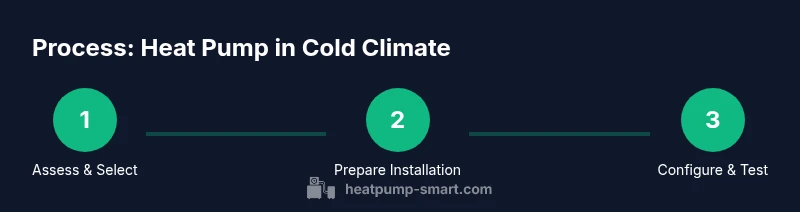
- 1
Assess space and select heat pump type
Evaluate the home’s insulation, windows, and existing heating loads to determine whether an air-source or ground-source heat pump is most suitable for cold climate operation. Consider whether supplemental heat might be needed for extreme cold events.
Tip: Consult Heatpump Smart sizing guidelines and run a preliminary heat-loss/heat-gain assessment. - 2
Verify electrical readiness
Confirm service capacity, disconnects, and wiring for the heat pump and thermostat. Ensure safety clearances and proper grounding before any equipment changes.
Tip: Turn off power at the main panel before touching any electrical components. - 3
Install outdoor unit clearance and indoor distribution
Provide adequate clearance around the outdoor unit for airflow and defrost. Review ductwork and indoor air handler placement to ensure balanced distribution across rooms.
Tip: Keep snow and ice away from the outdoor unit to avoid restricted airflow. - 4
Configure controls and thermostat
Program the thermostat with consistent day/night setpoints, enable smart scheduling, and set up zone controls if available. Ensure thermostat compatibility with heat-pump mode.
Tip: Enable a mild setback strategy to reduce cycling without sacrificing comfort. - 5
Commission and test performance in cold conditions
Run a full system test, observe defrost cycling, verify indoor temperatures, and check for unusual noises or leaks. Confirm that auxiliary heat engages only when needed.
Tip: Record initial performance and adjust setpoints to balance comfort and efficiency. - 6
Schedule seasonal maintenance and monitoring
Set a winter service reminder, clean or replace filters, inspect ductwork, and review performance metrics monthly to catch issues early.
Tip: Keep a basic winter maintenance checklist accessible for quick annual checks.
Your Questions Answered
Can a heat pump heat a home in very cold temperatures?
Yes, many cold-climate heat pumps can heat effectively in low temperatures, especially when paired with proper insulation and a well-sized unit. In extreme cold, auxiliary heat can supplement the system.
Yes. Cold-climate heat pumps are designed to operate efficiently at lower outdoor temperatures, particularly when the home is well-insulated and a properly sized unit is used. Auxiliary heat can help during the coldest spells.
What should I look for when sizing a heat pump for winter performance?
Prioritize accurate load calculations, climate data, and envelope quality. A size that's too large causes short cycling, while one that's too small struggles in cold conditions. Look for units rated for cold-weather efficiency.
Focus on accurate load calculations and envelope quality. A properly sized unit performs better in winter and avoids wasteful cycling.
Do I need a backup heat source in cold climates?
Often yes for extreme cold. Many systems use auxiliary electric resistance heat or a secondary source to maintain comfort during peak cold snaps.
A backup heat source is commonly recommended to ensure comfort during severe cold spells.
How often should I service a heat pump in winter?
Schedule a winter check with a technician and perform basic inspections monthly, such as filter cleaning and confirming clearances around the outdoor unit.
Have a winter check and regularly inspect filters and outdoor clearances.
Can I install a heat pump myself in a cold climate?
Installation typically requires licensed professionals due to electrical and refrigerant handling. Refer to local codes and manufacturer guidelines.
Electrical and refrigerant work means you should hire a licensed technician.
Watch Video
Top Takeaways
- Match heat-pump type to climate and envelope
- Seal and insulate before upgrading equipment
- Use smart controls for efficient cycling
- Plan for occasional auxiliary heat in deep cold
- Schedule regular winter maintenance