How to Make Your Heat Pump More Efficient in Winter
Learn practical steps to boost heat pump efficiency in winter—seal leaks, optimize thermostat settings, tune your system, and schedule maintenance to cut costs and stay comfortable.


In winter, heat pumps can struggle with rising humidity, cold outdoor temps, and increased demand. According to Heatpump Smart, this is the time to act with practical actions to boost efficiency: seal air leaks, optimize thermostat settings, choose the right fan and inverter mode, and schedule maintenance. Following these steps can reduce running costs and improve comfort.
Why winter efficiency drops for heat pumps
Winter conditions pose unique challenges to air-source heat pumps. Colder outdoor temperatures reduce the heat transfer efficiency (the COP), while frequent defrost cycles consume energy and can temporarily lower comfort. In homes with air leaks, poorly adjusted controls, or aging components, the unit must work harder to maintain the same indoor temperature. Understanding these dynamics helps homeowners target the right improvements. Heatpump Smart analysis emphasizes that the biggest gains come from envelope improvements and smarter controls, not just bigger equipment. This section explains the physics in simple terms and sets up practical strategies you can apply this season.
Air sealing and building envelope improvements
Air leaks around doors and windows let warm indoor air escape and cold outdoor air infiltrate. Start with weatherstripping for all exterior doors, add door sweeps, and seal attic openings. Seal gaps around windows, electrical penetrations, and HVAC ducts with caulk or expanding foam as appropriate. Upgrade insulation in attics and exterior walls where feasible. A tightly sealed envelope reduces the workload on the heat pump, helping it operate closer to its rated efficiency. Heatpump Smart’s guidance shows these envelope improvements deliver the most cost-effective gains in winter performance.
Thermostat strategy for cold weather
Smart thermostat settings can significantly influence winter efficiency. Maintain a stable indoor temperature instead of large, frequent setbacks that trigger extra heating cycles. Use adaptive recovery so the system reaches the desired temperature without overshooting. Enable the fan only when needed to avoid unnecessary airflow. If available, enable outdoor reset to tailor indoor temperatures based on outdoor conditions. Thoughtful controls minimize runtime and keep the system within its efficient operating range.
Efficient heat distribution and zoning
Balanced heat distribution is critical in larger homes or multi-story houses. Check ducts for leaks, blockages, and loose connections; any air loss wastes energy. Consider zoning controls that direct heat where it’s needed and reduce overserving spaces. In poorly insulated rooms, supplemental heat should be used sparingly, so the heat pump handles most of the load. Proper zoning prevents the outdoor unit from overworking and helps maintain comfort with lower energy use.
Equipment and technology that help in winter
Modern heat pumps with inverter-driven compressors and variable-speed fans adjust output to demand and temperature, improving efficiency in colder weather. When considering upgrades, look for cold-climate ratings and high efficiency at low ambient temperatures. If you still use auxiliary heat, ensure it’s integrated to minimize energy use. Discuss the balance of heat pump operation and any backup heat with a qualified technician to avoid wasteful operation patterns.
Seasonal maintenance and proactive checks
Seasonal service keeps coils clean, connections tight, and the refrigerant charge correct. Clean the outdoor coil to improve heat transfer, clear debris, and ensure proper defrost function. Replace or clean air filters regularly to maintain airflow. Schedule a professional inspection before peak winter demand to verify reversing valve operation, defrost safety, and electrical components. Proactive maintenance prevents efficiency losses from minor issues turning into costly problems.
Real-world planning: budget, payback, and when to upgrade
Plan improvements in stages: start with envelope sealing and thermostat optimization, then tackle duct sealing and select equipment upgrades if needed. Build a simple payback model based on local electricity costs and climate. A professional assessment helps determine whether upgrading to a cold-climate rated unit is financially sensible. Heatpump Smart recommends making decisions that balance comfort, reliability, and long-term operating costs, not just initial price.
Tools & Materials
- Weatherstripping kit(Include door sweeps and window kits for all exterior doors)
- Caulk gun and silicone/latex caulk(Use for sealing gaps around windows, doors, and ducts)
- Programmable thermostat with adaptive recovery(Supports scheduling and energy-saving features)
- Duct sealing putty or mastic and metal tape(For sealing accessible duct joints or leaks)
- Coil cleaner and soft brush/vacuum(Outdoor condenser coil cleaning (avoid wet conditions))
- Insulation materials (foam board, batts)(Optional attic/wall insulation upgrades)
- Thermometer and outdoor temperature sensor(For monitoring and tuning outdoor-reset strategies)
- Duct inspection tools (optional)(Duct camera or smoke pencil for leak diagnostics)
Steps
Estimated time: 2-4 hours
- 1
Start with a home energy audit
Document current insulation levels, seal leaks, and identify the most effective upgrade path. Use a blower door test if available, or a simple DIY audit focusing on doors, windows, attic access, and ductwork. This establishes a baseline to track improvements.
Tip: Begin with the largest leaks first, typically around exterior doors and attic penetrations. - 2
Seal air leaks and insulate enclosures
Apply weatherstripping to doors, seal window gaps, and fill cracks around penetrations with caulk or foam. Improve attic and wall insulation where feasible to reduce heat loss. A well-sealed envelope reduces the heat pump’s workload significantly.
Tip: Check for gaps behind electrical outlets on exterior walls; seal with foam where needed. - 3
Optimize thermostat settings and controls
Set a comfortable, steady indoor temperature and avoid extreme setbacks. Enable adaptive recovery so the system reaches the target temperature efficiently. If available, enable outdoor reset for adaptive performance based on outdoor temperatures.
Tip: Use a programmable schedule to pre-heat before wake-up times without overshooting. - 4
Inspect and balance ductwork
Inspect accessible ducts for leaks or kinks. Seal joints with mastic and test for air leaks with a smoke pencil or simple pressure test. Proper duct performance ensures the heat pump’s output is efficiently distributed.
Tip: Label and map duct runs to simplify future maintenance. - 5
Care for the outdoor unit
Keep the outdoor unit clear of snow, leaves, and debris. Clean the coil as needed following manufacturer guidelines and ensure proper defrost function. A clean condenser coil improves heat transfer and efficiency in winter.
Tip: Avoid using high-pressure water directly on fins; use a gentle spray and a brush. - 6
Plan professional checks and possible upgrades
Schedule annual service to verify refrigerant charge, electrical connections, and reversing valve operation. If winter performance remains limited, consider equipment rated for cold climate operation and higher efficiency.
Tip: Get a written maintenance checklist from your technician to track future work.
Your Questions Answered
Why does a heat pump lose efficiency in winter?
Winter conditions raise the energy required to extract heat from colder outdoor air and increase defrost cycles. Poor sealing, incorrect thermostat settings, or aging components also contribute to reduced efficiency.
Winter makes heat pumps work harder. Sealing and tuning can help restore efficiency.
Is upgrading to a cold-climate heat pump worth it?
In very cold climates, cold-climate models can maintain comfort with higher efficiency. A professional assessment can determine if the expected savings justify the investment.
A professional can help you decide if a cold-climate model makes financial sense for your home.
How often should I service my heat pump in winter?
Annual professional service plus monthly filter checks helps prevent efficiency losses. Callouts or unusual noises should trigger an sooner inspection.
Annual checks plus quick monthly filter checks keep it running well.
Can simple home improvements improve winter efficiency?
Yes. Sealing leaks, adding insulation, and improving airflow can significantly reduce heat loss and support heat pump performance.
Small improvements around the home can have a big impact on efficiency.
What DIY maintenance can I safely perform?
Clean or replace air filters regularly, remove debris around the outdoor unit, and ensure clear airflow paths. Avoid refrigerant handling or electrical testing beyond basic inspection.
You can do basic cleanups and filter changes safely at home.
Watch Video
Top Takeaways
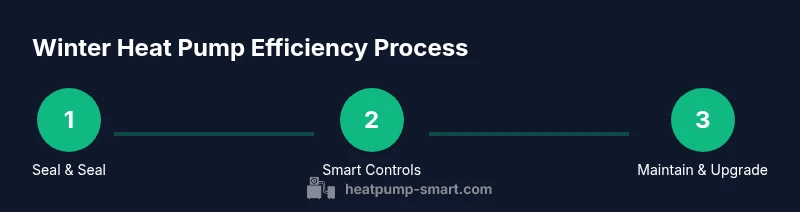
- Seal and insulate first for big gains
- Use smart controls to optimize winter operation
- Maintain seasonal maintenance for sustained efficiency
- Consider staged upgrades based on payback and climate