How to Use Heat Pump in Summer
Learn how to use a heat pump in summer for efficient cooling, humidity control, and energy savings with practical steps, maintenance tips, and expert guidance from Heatpump Smart Team.


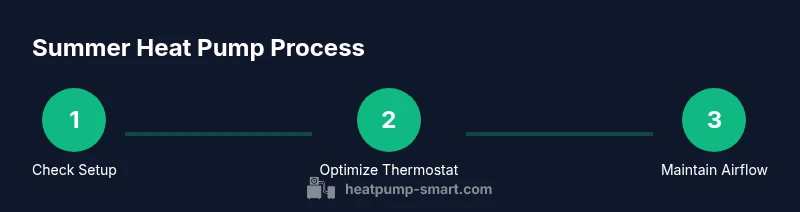
This guide helps you use a heat pump in summer for efficient, comfortable cooling. Start by confirming cooling mode is active and set your thermostat to a reasonable target (e.g., mid-70s Fahrenheit). Improve efficiency with clean filters, proper airflow, smart scheduling, and occasional fan-only operation during mild days. Regular maintenance boosts performance.
Understanding Summer Cooling with Heat Pumps
Heat pumps for cooling operate by moving indoor heat to the outdoors, rather than generating cold air. In summer, the system runs in cooling mode (reversing the cycle from heating) to remove heat and dehumidify indoor spaces. The efficiency of cooling is expressed by SEER and EER ratings; higher values indicate better efficiency. Humidity control is a key advantage, helping rooms feel cooler even at higher temperatures. For homeowners, a well-tuned heat pump can provide comfort with lower energy usage than traditional AC, especially when paired with a smart thermostat and proper airflow. According to Heatpump Smart, the most reliable summer performance starts with correct system setup, regular maintenance, and ensuring the outdoor unit remains free of debris to maintain airflow. Heatpump Smart Team emphasizes that small daily adjustments—like filter care and schedule optimization—can compound into noticeable comfort and savings over the season.
Pre-Season System Check and Maintenance
Before the hottest days arrive, perform a thorough check of both indoor and outdoor components. Replace or clean air filters to maintain airflow and reduce strain on the blower. Inspect the outdoor condenser coil for dirt, leaves, and obstructions; gently remove debris and rinse with a low-pressure spray. Clear at least 2 feet around the outdoor unit to improve airflow and heat rejection. Check for unusual noises, loose wiring, or signs of refrigerant leaks (a service technician should address any suspected leak). Calibrate the thermostat for accuracy and ensure the system cools within a reasonable time after a call for cooling. Heatpump Smart Team notes that proactive checks save energy and avoid emergency repairs during peak heat.
Optimizing Thermostat Settings for Summer Comfort
Thermostat strategy is crucial in hot weather. Set a practical cooling target that balances comfort and energy use, and utilize a schedule to avoid cooling when nobody is home. Enable intelligent recovery features if your thermostat supports them so the indoor temperature reaches your target by your chosen time. Consider humidity-aware settings or a dedicated dehumidification mode during high humidity days, which can feel cooler than a lower temperature alone. Regularly review occupancy patterns and adjust the cooling periods accordingly. Heatpump Smart analysis shows that smart scheduling and temperature zoning can significantly improve perceived comfort while reducing energy waste.
Airflow and Zoning for Efficient Cooling
Efficient cooling depends on even airflow and properly sealed spaces. Ensure all supply vents are open and unblocked, and check that returns have access to living areas with minimal obstruction. Seal gaps around doors, windows, and ductwork to minimize cooling loss. If your home supports zoning, use separate zones for occupied spaces to avoid cooling empty rooms. Ceiling fans can complement the heat pump by circulating air and reducing the perceived temperature. Proper airflow also helps humidity distribution, which improves comfort in hot, sticky conditions. A well-balanced system reduces compressor cycling and extends equipment life.
Energy-Saving Cooling Strategies that Work with Heat Pumps
Maximize efficiency by combining cooling with dehumidification. Use blinds or reflective films to minimize solar heat gain, especially on western-facing walls. Schedule most cooling during cooler parts of the day (early morning, late evening) to take advantage of cooler outdoor temperatures when heat rejection is easier. Keep blinds closed during peak sun hours and use programmable schedules to minimize cooling when the house is empty. Maintain a comfortable humidity level; excessive dehumidification can dry air and increase perceived chill, while insufficient humidity makes summers feel hotter. Regular maintenance ensures the system handles humidity effectively.
When to Use Fan-Only Mode and Humidity Management
In mild heat or during evening hours, running the heat pump in fan-only mode can still help with air movement without pulling additional heat from outside, assisting humidity control. Fan-only circulation improves comfort in rooms with good insulation and airflow. For homes with humidity-related comfort issues, consider complementary dehumidification strategies or a dedicated dehumidifier in problem zones. Avoid relying on fan-only mode during extremely hot days, as this will not cool indoor air. Pair fan use with shading, ventilation, and ceiling fans to enhance comfort without overworking the compressor.
Troubleshooting Common Summer Problems
If cooling seems weak or rooms stay warm, start with simple checks: confirm the thermostat is responsive, replace dirty filters, and clear any obstructions around the outdoor unit. Short cycling can indicate an oversized system, dirty coils, or refrigerant issues—these require a professional assessment. Ice buildup on the outdoor coil or evaporator can signal airflow restriction, low refrigerant, or faulty metering. Listen for unusual noises or vibrations that may indicate loose components. If you notice persistent discomfort or high energy bills, consult Heatpump Smart’s guidance and consider a professional service diagnostic.
Scheduling and Maintenance Calendar for Summer
Create a seasonal calendar to keep cooling performance steady. Monthly tasks include filter inspection and replacement as needed, coil cleaning of the outdoor unit, and checking for airflow blockages. Every six weeks, verify thermostat settings and occupancy schedules, and review energy usage trends. Mid-season, arrange a professional inspection to verify refrigerant levels, electrical components, and overall efficiency. Keeping a consistent maintenance rhythm reduces the risk of unexpected failures and maintains comfort during peak heat. Heatpump Smart recommends documenting any changes to settings or equipment so future summers are easier to manage.
Assessing Replacement vs. Upgrade Options
If your heat pump is older or shows persistent inefficiency, compare SEER ratings and performance with newer models. Upgrading can improve cooling efficiency, humidity control, and energy savings, particularly if your existing unit has degraded performance or is paired with inefficient ductwork. Evaluate the total cost of ownership, factoring in installation, rebates, and potential energy savings. Heatpump Smart analysis emphasizes that a professional assessment can reveal whether repair, retrofit, or a full replacement provides the best long-term value for summer comfort and energy use.
How to Work with a Pro: What to Ask Your Installer
When inviting a technician for a summer check or upgrade, prepare a clear list of questions: Is the refrigerant level correct and within spec? Are all electrical connections safe and up to code? What SEER rating would a replacement unit offer and how would it affect running costs? How can we optimize zoning, ductwork, and airflow for my home? Ask for a written maintenance plan and a recommended seasonal schedule. Heatpump Smart Team suggests requesting a printed checklist and a copy of any suggested upgrades to compare options accurately.
Quick Start Checklist for This Summer
- Verify cooling mode is active and thermostat is set to a comfortable target.
- Replace or clean air filters and ensure outdoor unit clearance of at least 2 feet.
- Clean condenser fins and inspect for debris around the outdoor unit.
- Review thermostat programming and enable intelligent scheduling if available.
- Use shading and natural ventilation to reduce solar heat gain.
- Schedule a professional service at mid-season to verify refrigerant and electrical components.
- Consider a zoning or smart-control upgrade if some rooms remain warmer than others.
- Keep humidity in check with dehumidification or humidity-aware settings as needed.
Heatpump Smart's Practical Summer Guidance
The Heatpump Smart team recommends blending smart technology with practical maintenance to maximize summer comfort and energy efficiency. Regular checks, a clear thermostat strategy, and mindful airflow management are foundational steps. When considering upgrades, rely on a licensed professional to assess your home’s insulation, ductwork, and climate needs. Implementing these practices helps homeowners, builders, and property managers achieve reliable cooling while keeping operating costs under control.
Tools & Materials
- Replacement air filters(Have the right size for your unit; check manufacturer spec)
- Screwdriver set(Phillips and flathead sizes for panels and access doors)
- Soft brush or coil brush(For cleaning outdoor condenser fins)
- Microfiber cloths(Wipe surfaces and dry condensate trays)
- Vacuum with brush attachment(Optional for vent cleaning and debris removal around the unit)
- Safety gloves(Protect hands when handling sharp edges)
- Ladder(Access to outdoor unit or attic components)
Steps
Estimated time: 45-60 minutes
- 1
Confirm cooling mode and target temperature
Check that the heat pump is in cooling mode and set a practical comfort target. If you’re unsure, start with a moderate setting and adjust gradually. This establishes a baseline for efficient operation.
Tip: Use a programmable schedule to prevent overcooling when rooms are unoccupied. - 2
Clean or replace air filters
Remove the filter, inspect for dirt, and replace if dirty. Clean filters improve airflow, reduce energy use, and prevent strain on the blower motor. Reinstall securely and note the replacement date.
Tip: Keep spare filters on hand and mark the replacement date on the calendar. - 3
Inspect outdoor unit clearance and coil
Ensure at least 2 feet of clearance around the outdoor unit. Gently remove leaves and debris and rinse the condenser coil with a low-pressure spray if needed. Keep fins straight and avoid bending them.
Tip: Never use high-pressure water or metal tools on fins. - 4
Calibrate the thermostat
Compare the thermostat reading with an accurate thermometer in a shaded area. If there’s a discrepancy, recalibrate or replace the thermostat to ensure accurate cooling commands.
Tip: A smart thermostat can optimize schedules automatically over time. - 5
Review airflow and zoning
Open all supply vents in occupied rooms and verify returns aren’t blocked. If you have zoning, verify dampers operate correctly and adjust for comfort where needed.
Tip: Close doors to unused rooms to improve efficiency. - 6
Evaluate humidity settings
If humidity feels high, use humidity-aware settings or a dehumidification mode. Humidity control improves comfort more than simply lowering temperature.
Tip: In very humid weather, a dedicated dehumidifier in problem zones can help. - 7
Test comfort after adjustments
Run a cooling cycle and monitor how long it takes to reach target temperature. Listen for unusual noises and watch for ice on coils or vents.
Tip: If temps rise again quickly, call a pro for a diagnostic. - 8
Plan mid-season professional service
Schedule a professional inspection to verify refrigerant levels, electrical connections, and overall efficiency.
Tip: Ask for a written report and recommended upgrades if needed.
Your Questions Answered
Can a heat pump cool effectively on very hot days?
Yes, a heat pump can cool effectively on hot days, but performance may depend on insulation, airflow, and unit capacity. Maintaining the system and using humidity control will help. If cooling remains insufficient, consult Heatpump Smart's guidance for an assessment.
Yes, it can cool on hot days, but efficiency depends on your home and setup. If it struggles, consult a professional for an assessment.
Should I run the fan-only mode to dehumidify during summer?
Fan-only mode can help move air and assist humidity control on milder days, but it won’t cool the space. Use it in conjunction with shading and proper airflow for comfort.
Fan-only helps move air and can aid humidity on mild days, but it won’t cool.
How often should I replace air filters in summer?
Inspect filters monthly and replace when dirty. Keeping filters clean supports airflow and reduces energy use, especially during peak cooling seasons.
Check filters monthly and replace when dirty to keep air moving smoothly.
Is it worth upgrading an old heat pump for summer efficiency?
If the current unit is old or inefficient, upgrading to a higher SEER model can improve cooling performance and humidity control over time. Have a professional evaluate your home’s insulation and ductwork first.
Upgrading can improve comfort and efficiency, but get a pro assessment first.
What should I ask a technician during a summer service?
Ask about refrigerant level accuracy, electrical safety, duct integrity, and recommended upgrades. Request a written maintenance plan and a copy of any proposed improvements.
Ask about refrigerant, electrical safety, duct work, and upgrades with a written plan.
How can Heatpump Smart help me optimize summer cooling?
Heatpump Smart emphasizes a proactive maintenance routine, thermostat optimization, and airflow management to maximize comfort and energy savings during summer.
Heatpump Smart recommends proactive maintenance and smart scheduling for summer.
Watch Video
Top Takeaways
- Optimize cooling mode and thermostat settings for comfort and efficiency
- Maintain airflow with clean filters and clear outdoor unit space
- Use shading and intelligent scheduling to reduce energy use
- Regular maintenance prevents summer reliability issues
- Consult a pro for replacements or upgrades when needed