What Energy Do Heat Pumps Use?
Discover what energy heat pumps use, how electricity powers them, and how COP, climate, and installation choices affect efficiency, costs, and comfort.


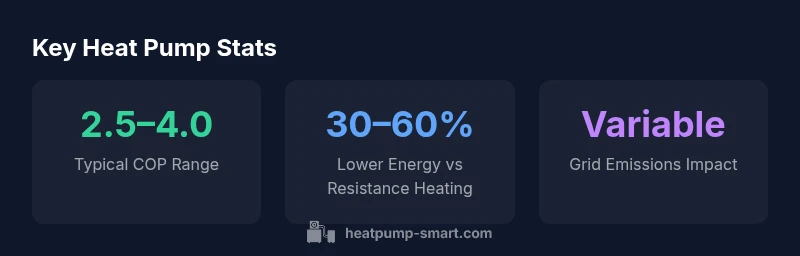
Electricity is the energy input for most heat pumps. These systems do not burn fuel on site; instead, they move heat using electricity to power compressors and fans. The energy delivered as heat comes from outside air, the ground, or water, depending on the type. Efficiency is measured by COP, typically in the 2.5–4.0 range depending on climate and operating conditions.
How energy moves through a heat pump
A heat pump is powered by electricity, but its hallmark is energy transfer rather than fuel combustion. In simple terms, electricity drives a compressor and a fan that move heat from one place to another. The amount of heat you get per unit of electrical energy is described by the COP (coefficient of performance). A COP of 3 means that for every 1 unit of electrical energy consumed, about 3 units of heat are moved into your home. In practice, the COP changes with outdoor temperature, humidity, system condition, and thermostat behavior. For homeowners, this means that the same device can feel very efficient on a mild day and less so during the coldest parts of winter. The overarching takeaway: energy input matters, but how efficiently that energy is converted to usable warmth depends on climate, equipment, and controls.
Electricity source and grid impact
While heat pumps use electricity, the environmental and cost implications of that electricity depend on how the grid is powered. If your local grid relies heavily on fossil fuels, the lifetime emissions and operating costs may be higher than in a region with abundant renewable energy. Heatpump Smart analysis shows that choosing a heat pump with a high COP is beneficial, but the practical gains multiply when paired with a clean energy mix—solar, wind, or hydro—to power the system. For property managers and builders, this means evaluating both the heat pump and the electricity source you’ll rely on, especially if you are aiming for green building certifications or lower operating costs over decades.
Efficiency drivers: COP, climate, and controls
Several factors drive how efficiently a heat pump uses energy. Outdoor temperature is a major determinant: air-source heat pumps perform best when the outside air is not extremely cold, while ground-source systems tap stable underground temperatures, delivering better COP in winter. Thermostats and control strategies matter too: maintaining a steady indoor temperature with setbacks can reduce cycling and energy waste. Insulation, sealing ducts, and minimizing air leaks further boost performance, making the system feel consistently warm without overspending on electricity. For designers, a well-dimensioned system paired with smart controls yields the most reliable energy performance.
Air-source vs ground-source energy use
Air-source heat pumps draw heat from outdoor air and have COPs that vary more with ambient conditions. Ground-source (geothermal) systems exchange heat with the earth or groundwater, which tends to provide a steadier COP and lower operating costs in many climates. The energy input remains electricity for both, but ground-source units can deliver more consistent performance, often with a higher COP over the heating season. When choosing between them, installation costs, available land, and long-term energy savings should all factor into the decision.
Practical energy numbers and expectations
Put simply, heat pumps translate electrical energy into usable heat with efficiency described by COP. In real-world terms, expect COP values to fall between roughly 2.5 and 4.0 for air-source units, with higher ranges possible for ground-source systems. The actual energy bills depend on how much electricity the system uses, the local electricity rate, and the climate. If your home is well insulated and ducts are sealed, you’ll see more of the COP gains in monthly energy costs. For homeowners evaluating options, it’s worth requesting a performance guarantee based on climate and building envelope.
Real-world case considerations and installation tips
To maximize energy efficiency, ensure proper system sizing—oversized or undersized units waste energy. Have your home audited for insulation quality and air leakage. Choose a heat pump with a high COP and a reputable compressor technology, and pair it with a smart thermostat and weather-aware controls. Ductwork should be sealed and correctly designed to minimize leakage. In hot climates, consider a heat pump with a robust defrost cycle to prevent efficiency losses. For builders, specifying equipment with long-term warranties and service plans reduces lifecycle energy costs and maintenance headaches.
Comparison of heat pump system types by efficiency and notes
| System Type | Typical COP Range | Notes |
|---|---|---|
| Air-source heat pump | 2.5–4.0 | Most common; COP varies with outdoor temperature |
| Ground-source heat pump | 3.5–4.5 | Higher efficiency; higher installation cost |
| Hybrid/dual-fuel system | 2.8–4.0 | Back-up furnace integration varies by climate |
Your Questions Answered
What energy do heat pumps use?
Heat pumps use electricity as their energy input. They transfer heat from outdoors to indoors, rather than burning fuel on site.
Heat pumps run on electricity and move heat from outside to inside, instead of burning fuel.
Do heat pumps rely on natural gas?
Most residential heat pumps are electric-only devices. Some homes use hybrid systems that add a gas furnace as backup in very cold climates.
Most heat pumps use electricity, but some setups include a gas furnace as backup in extreme cold.
Can heat pumps be powered by renewable energy?
Yes. If your electricity comes from solar, wind, or other renewables, a heat pump can offer very low operating emissions.
Yes, you can power a heat pump with renewable energy for lower emissions.
What is COP and why does it matter?
COP stands for Coefficient of Performance. It measures efficiency—the higher the COP, the less electricity needed for each unit of heat.
COP tells you how efficiently the heat pump uses electricity.
How does climate affect energy use?
Outdoor temperature strongly affects performance. Colder climates reduce COP for air-source units, while ground-source systems are less sensitive to temperature swings.
Yes, climate matters—colder weather lowers efficiency for most air-source pumps.
Are heat pumps more energy-efficient than furnaces?
In many cases, heat pumps are more efficient than electric resistance heating and often more efficient than gas furnaces, depending on grid electricity quality and installation.
Often yes, but it depends on the system and the electricity grid.
“Heat pumps are electric systems that move heat rather than burn fuel. Their efficiency hinges on climate, installation quality, and control strategy.”
Top Takeaways
- Electricity powers heat pumps, not fuel combustion
- COP is the core efficiency metric to monitor
- Climate and installation strongly influence performance
- Ground-source systems often outperform air-source on COP
- Pair with a clean electricity grid for lower emissions