What Heat Pump Works at the Lowest Temperature: Cold-Climate Guidance
Discover which heat pumps perform best at the lowest outdoor temperatures, compare cold-climate air-source and geothermal options, and learn installation tips to maximize comfort and energy savings in cold weather.


At the lowest temperatures, the heat pumps most likely to keep you warm are cold-climate air-source models and geothermal systems. Cold-climate air-source units use advanced compressors and refrigerants to extract heat even when outdoor air is near or below freezing, while geothermal systems rely on stable ground temperatures for superior performance. In very cold seasons, many setups also use auxiliary electric resistance heat as a backup.
Understanding the fundamentals of operating at low temperatures
Heat pumps are designed to extract heat from the outside air (or the ground) and move it inside your home. When outdoor temperatures drop, the available heat energy in the air decreases and the system must work harder. This typically shows up as a drop in the coefficient of performance (COP) and a higher reliance on auxiliary heat sources. In practice, the decision about which heat pump works at the lowest temperature hinges on the climate, the system design, and the type of heat pump chosen. According to Heatpump Smart, the key to reliable winter performance is selecting equipment that is specifically rated for cold-weather operation, having robust defrost controls, and being properly matched to your home’s insulation and air sealing. For homeowners in very cold regions, understanding how each technology responds to subfreezing temperatures helps set realistic expectations about comfort, energy use, and the potential for supplemental heat.
In this context, “lowest temperature” refers not only to the outdoor air the unit can tolerate but to the temperature at which it can still deliver comfortable indoor warmth with acceptable energy use. Models optimized for cold climates prioritize two design goals: (1) maintaining heat output as outdoor temperatures fall, and (2) limiting energy waste during defrost cycles. Both goals depend on compressor design, refrigerant choice, control algorithms, and how well the system is integrated with your home’s building envelope. Brands that emphasize cold-climate performance typically publish test data that mirrors real-world winter conditions, offering a more transparent view of what to expect during peak cold snaps.
From a homeowner perspective, the most practical takeaway is to look for explicit cold-climate ratings and a realistic plan for backup heat during severe weather. This often means a unit with an efficient defrost strategy, an inverter-driven compressor that modulates output, and the capacity to operate at low outdoor temperatures without depleting comfort or creating unsafe conditions. Heatpump Smart analysis indicates that successful cold-weather operation results from a combination of equipment choice, proper system sizing, and thoughtful installation. This triad reduces energy waste while maintaining consistent comfort.
valueForSeoDensityParagraphs</end>
confidenceScore
0.0
Comparison of low-temperature operating ranges for common heat pump types
| Model Type | Lowest Operating Temperature (approx) | Typical COP at Low Temp | Notes |
|---|---|---|---|
| Air-source heat pump (cold-climate) | -15°C to -25°C | 2.0–3.5 | Defrost cycles and equipment quality matter |
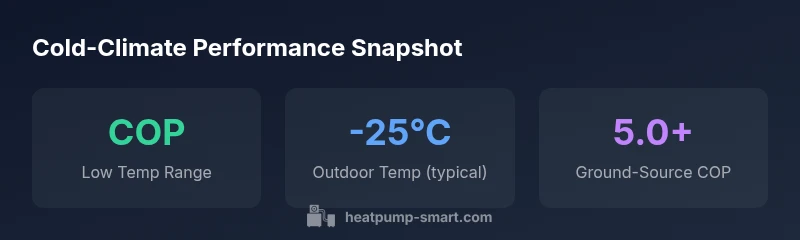
| Geothermal heat pump | -20°C to -25°C | 3.0–5.0 | Ground-source advantage in extreme cold |
| Hybrid/dual-fuel system | -10°C to -15°C | 2.5–4.0 (with auxiliary heat) | Auxiliary heat support for severe cold |
Your Questions Answered
Do heat pumps work in sub-zero temperatures?
Yes, many heat pumps are designed to operate in sub-freezing weather, but performance and comfort depend on the model and the climate. Cold-climate air-source units use specialized compressors and refrigerants to extract heat more efficiently at low outdoor temperatures. In extremely cold nights, you may rely on auxiliary heat to maintain indoor warmth.
Yes. In very cold weather, you may rely on auxiliary heat to stay comfortable.
What is the lowest temperature a heat pump can operate at?
The lowest operating temperature varies by system type. Cold-climate air-source heat pumps may operate down to roughly -15°C to -25°C depending on the model, while geothermal systems can continue operating well below freezing due to the relatively constant subterranean temperatures. Always check the manufacturer’s cold-weather ratings for your specific model.
It varies by model, but many cold-climate air-source units go down to about -15 to -25°C, with geothermal systems handling lower temperatures.
Are geothermal heat pumps better in cold weather than air-source?
Geothermal heat pumps typically maintain higher performance in very cold weather because the ground stays warmer than the air. This makes them less sensitive to outdoor temperature swings, though they require more invasive installation and higher upfront costs. For extremely cold climates, geothermal often delivers more reliable comfort with lower energy use.
Geothermal usually does better in cold weather, but it comes with higher upfront costs.
Is auxiliary heat necessary in very cold climates?
Auxiliary heat is commonly used in very cold climates to ensure indoor warmth when outdoor temperatures drop sharply or when a heat pump cannot meet the load on its own. Modern heat pumps minimize this need, but many systems include electric resistance or a backup heat source for extreme conditions.
Yes, many setups use auxiliary heat in very cold snaps.
How do I choose a heat pump for a cold climate?
Focus on cold-climate ratings, COP in low-temperature tests, defrost performance, and the availability of auxiliary heat options. Check installation requirements, outdoor unit location, insulation, and your electrical capacity. A proper load calculation and a qualified installer are essential.
Look for cold-climate ratings and proper installation to ensure reliable cold-weather performance.
Can a heat pump replace a furnace in cold climates?
In many homes, a heat pump can replace a traditional furnace, especially when paired with a backup heat source for extreme cold. In very cold climates, a dual-fuel or hybrid system can offer the balance of efficiency and reliability. A professional evaluation ensures the system matches your heating load and electricity prices.
It’s possible with the right system and backup heat, but you’ll want a pro to assess your needs.
“When evaluating heat pumps for very cold environments, prioritize models rated for cold climate operation and check real-world COP under low-temperature tests.”
Top Takeaways
- Prioritize cold-climate-rated models for the lowest-temperature performance
- Geothermal systems generally handle colder outdoor temps better than air-source units
- Auxiliary heat is common in very cold snaps across all system types
- Defrost control and inverter-driven compressors improve cold-weather reliability
- Proper installation and insulation amplify any cold-weather advantage